Genres
Artists
Albums
Make Music
Sign in
Sign in
Artists
Candombe
Artists
Candombe
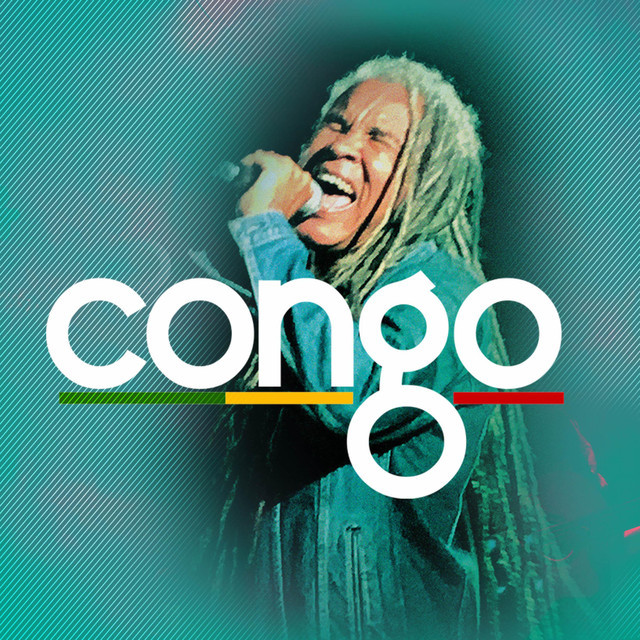
Congo
Listen
2
/5
Genres
Reggae En Español
Reggae en español is Spanish-language reggae that emerged from the Afro-Caribbean communities of Panama, where Jamaican immigrant culture intersected with local Spanish-speaking youth. Drawing heavily from Jamaican roots reggae, dancehall, and dub, it keeps reggae’s off‑beat skank, deep bass lines, and sound-system aesthetics while delivering melodic singing and deejay toasting in Spanish—often using Caribbean slang and Panamanian street vernacular. Over time it branched into band‑based roots scenes across Latin America and a romantic, smoother strain (“reggae romántico”). The style played a pivotal role in shaping Latin urban music in the 1990s, directly informing the rhythmic and vocal approach that later crystallized into reggaetón, while also popularizing Spanish-language reggae bands throughout the Spanish-speaking world.
Discover
Listen
Spanish-Language Reggae
Spanish-language reggae (often called "reggae en español") adapts Jamaican reggae and dancehall aesthetics to Spanish lyrics and Latin American cultural contexts. It spans two complementary currents: roots/reggae bands that sing in Spanish, and the Panamanian dancehall/singjay tradition that placed Spanish toasting over Jamaican riddims. Hallmarks include syncopated one‑drop or steppers drum patterns, a prominent, melodic bassline, offbeat guitar/keyboard "skank," and dub-informed production with space, delay, and spring reverb. Vocals range from soulful crooning to rapid-fire singjay flows, switching fluidly between Spanish and Caribbean slang. Lyrical themes move between social commentary, identity, romance, spirituality, and party vibes. From local sound systems to global stages, the style became a bridge between Jamaica’s sound system culture and the Latin world—both preserving reggae’s roots spirit and directly feeding the emergence of reggaetón and broader urbano scenes.
Discover
Listen
Roots Reggae
Roots reggae is a spiritually and socially conscious strand of reggae that emerged in Jamaica in the early to mid-1970s. It emphasizes Rasta themes, African identity, resistance to oppression, and everyday struggles, delivered through soulful vocals and storytelling lyrics. Musically, it features the one‑drop drum pattern, heavy melodic basslines, offbeat "skank" guitar/piano, warm Hammond/organ bubbles, and spacious, dub-influenced production. Tempos are moderate and rolling, the grooves are hypnotic, and the arrangements leave space for call‑and‑response, harmony vocals, and horn counter‑melodies.
Discover
Listen
Reggae
Reggae is a popular music genre from Jamaica characterized by a laid-back, syncopated groove, prominent bass lines, and steady offbeat “skank” guitar or keyboard chords. The rhythmic core often emphasizes the third beat in a bar (the “one drop”), creating a spacious, rolling feel that foregrounds bass and drums. Typical instrumentation includes drum kit, electric bass, rhythm and lead guitars, keyboards/organ (notably the Hammond and the percussive "bubble"), and often horn sections. Tempos generally sit around 70–80 BPM (or 140–160 BPM felt in half-time), allowing vocals to breathe and messages to be clearly delivered. Lyrically, reggae ranges from love songs and everyday storytelling to incisive social commentary, resistance, and spirituality, with Rastafarian culture and language (e.g., “I and I”) playing a central role in many classic recordings. Studio production techniques—spring reverbs, tape delays, and creative mixing—became signature elements, especially through dub versions that strip down and reimagine tracks.
Discover
Listen
Murga
Murga is a carnival-rooted performance genre that blends choral singing, sharp social satire, and highly rhythmic street percussion. Typically presented by neighborhood troupes, it combines theatrical staging, elaborate costumes, and choreographed movement with a driving, snare-led groove. Although it has variants across the Hispanic world, murga is especially associated with the Río de la Plata region, where its sound crystallized into massed chorus, rapid-fire "cuplés" (satirical couplets), and set pieces that open (saludo) and close (retirada) each show. The tone ranges from festive and humorous to bitingly political, all delivered with bold vocal projection and call-and-response energy.
Discover
Listen
Candombe
Candombe is an Afro‑Uruguayan percussion tradition centered on the interplay of three barrel drums called tamboriles: chico (the high, time‑keeping drum), repique (the improvisatory, conversational drum), and piano (the deep, bass foundation). Played in a forward‑moving parade formation known as a cuerda de tambores, its groove is driven by a characteristic clave‑like timeline articulated on the shell (madera) and by the interlocking parts of the three drums. Beyond rhythm, candombe is a living cultural practice linked to Afro‑Uruguayan neighborhoods in Montevideo—especially Barrio Sur, Palermo, and Cordón—where comparsas (troupes) combine drummers, dancers, flag bearers, and emblematic characters (mamas viejas, gramilleros, and the escobero). While primarily percussive, modern song forms and fusions often add vocals, guitar, bass, and keyboards, projecting candombe into jazz, pop, and rock contexts while retaining its unmistakable swing and street‑parade energy.
Discover
Listen
Similar artists
Hide discovered
4
/5
Cultura Profética
Reggae
Roots Reggae
Latin Alternative
4
/5
Gondwana
Reggae En Español
Ska
Reggae
4
/5
Los Cafres
Roots Reggae
Argentine Rock
Reggae
3
/5
Zona Ganjah
Roots Reggae
Reggae
Reggae En Español
3
/5
Kameleba
Reggae
Roots Reggae
Spanish-Language Reggae
3
/5
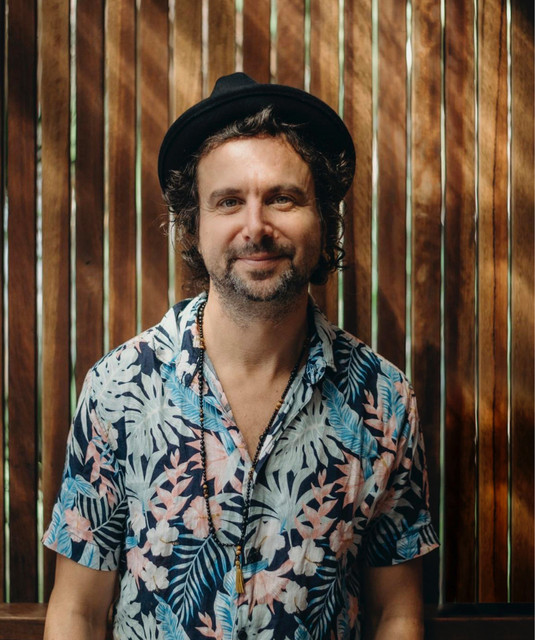
Quique Neira
Reggae
Roots Reggae
Spanish-Language Reggae
3
/5
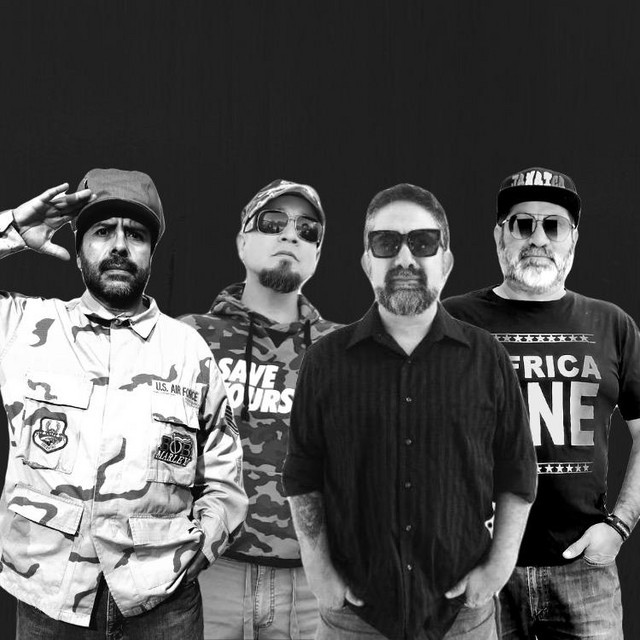
Resistencia Suburbana
Reggae
Reggae Rock
Roots Reggae
3
/5
Mista Savona
Dub
Ragga
Reggae
3
/5
Ganja
Mexican Ska
Reggae
Roots Reggae
3
/5
Almirante
Reggae
Reggae En Español
Roots Reggae
Download our mobile app
Get the Melodigging app and start digging for new genres on the go
Download on the App Store
Get it on Google Play
© 2026 Melodigging
Give feedback
About & FAQ
Legal
Melodding was created as a tribute to
Every Noise at Once
, which inspired us to help curious minds keep digging into music's ever-evolving genres.