Genres
Artists
Albums
Make Music
Sign in
Sign in
Artists
Traditional Music
Artists
Traditional Music
Bayarbaatar Davaasuren
2015
·
1 album
Listen
2
/5
Genres
Traditional Music
Traditional music is an umbrella term used in the mid–20th century by folklorists and ethnomusicologists to denote community-rooted, orally transmitted repertoires tied to social ritual, work, celebration, and storytelling. Unlike commercial pop or art-music traditions, traditional music is typically learned by ear, varies regionally, and evolves slowly through communal participation. It often features modal melodies, cyclic rhythms, heterophony or unison singing, and indigenous instruments whose timbres are integral to local identity. Lyrics tend to preserve language, history, and collective memory. While the musical practices themselves can be ancient, the phrase “traditional music” emerged to replace earlier, narrower or colonial framings like “folk” or “ethnic” music, foregrounding continuity, locality, and living practice rather than exoticism.
Discover
Listen
Mongolian Music
Mongolian music encompasses the traditional vocal and instrumental practices of the Mongolian steppe, centered on the morin khuur (horsehead fiddle), long song (urtyn duu), short song (bogino duu), epic song (tuuli), and the overtone-rich vocal art of khöömii (throat singing). Its melodic language is largely pentatonic, with expansive, arching phrases that evoke open landscapes, horses, and nomadic life. Textures range from solo voice with a sustained drone to heterophonic ensemble playing, and rhythms move fluidly between free, rubato narrative delivery and lively dance meters for bielgee (seated dance) and festive pieces. Ritual and religious strands—especially Buddhist chant and older shamanic practices—intertwine with courtly and folk repertories shaped during and after the Mongol Empire, yielding a music that is at once intimate, contemplative, and epic in scale.
Discover
Listen
Mongolian Throat Singing
Mongolian throat singing (höömii) is a traditional overtone-singing art in which a vocalist produces a low, sustained fundamental drone while shaping the mouth and throat to amplify specific overtones, making two or more pitches audible at once. The result is an otherworldly, flute-like melody floating above a deep, stable tone. Rooted in the nomadic herding culture of Mongolia, höömii is closely tied to the natural soundscape of the steppe—wind, rivers, and animal calls—often imitated in timbre and phrasing. Distinct Mongolian styles include kharkhiraa (a growling undertone beneath the drone) and isgeree khöömii (a whistling-overtone style), among others categorized by the primary resonance area (throat, chest, palate, nasal cavity). Performances range from intimate solo pieces to ensemble settings with morin khuur (horsehead fiddle) and tovshuur (lute), and appear in ritual, celebratory, and concert contexts. The practice emphasizes breath control, resonance, and subtly shifting vowel shapes rather than conventional harmonic progressions.
Discover
Listen
Albums
2015
1
/5
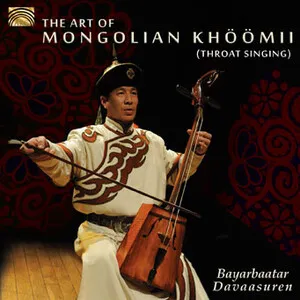
The Art of Mongolian Khöömii
Davaasuren Bayarbaatar
Mongolian Throat Singing
Mongolian Music
Similar artists
2
/5
Khusugtun
Central Asian Throat Singing
Mongolian Music
Mongolian Throat Singing
2
/5
Egschiglen
Mongolian Music
Mongolian Throat Singing
Central Asian Music
2
/5
Anda Union
Traditional Music
Mongolian Music
Mongolian Throat Singing
2
/5
Tserendavaa
Traditional Music
Mongolian Music
Mongolian Throat Singing
2
/5
Tsogtgerel
Traditional Music
Mongolian Music
Mongolian Throat Singing
1
/5
Altai Khairkhan
Traditional Music
Mongolian Music
Mongolian Throat Singing
1
/5
Altai-Hangai
Traditional Music
Mongolian Music
Mongolian Throat Singing
2
/5
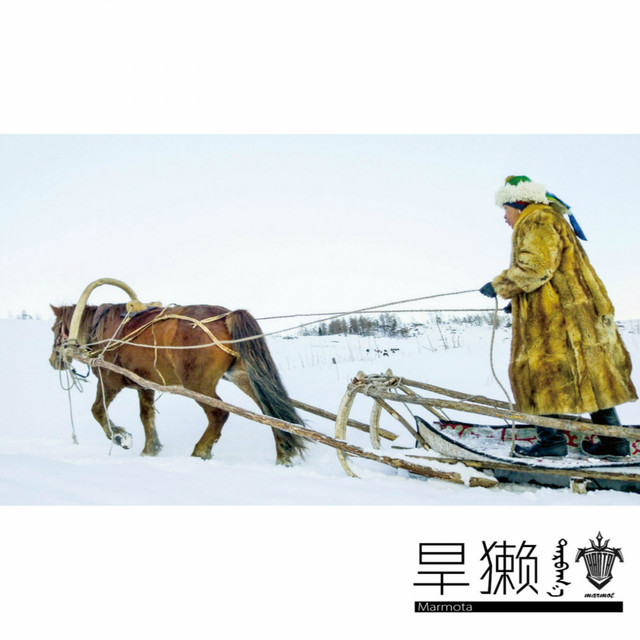
旱獭乐队
Traditional Music
Mongolian Music
2
/5
Okna Tsahan Zam
Traditional Music
Kalmyk Music
Mongolian Throat Singing
2
/5
Tal Nutag
Traditional Folk
Traditional Music
Folk
Download our mobile app
Get the Melodigging app and start digging for new genres on the go
Download on the App Store
Get it on Google Play
© 2026 Melodigging
Give feedback
Legal
Melodding was created as a tribute to
Every Noise at Once
, which inspired us to help curious minds keep digging into music's ever-evolving genres.