Genres
Artists
Albums
Make Music
Sign in
Sign in
Artists
Hard Techno
Artists
Hard Techno
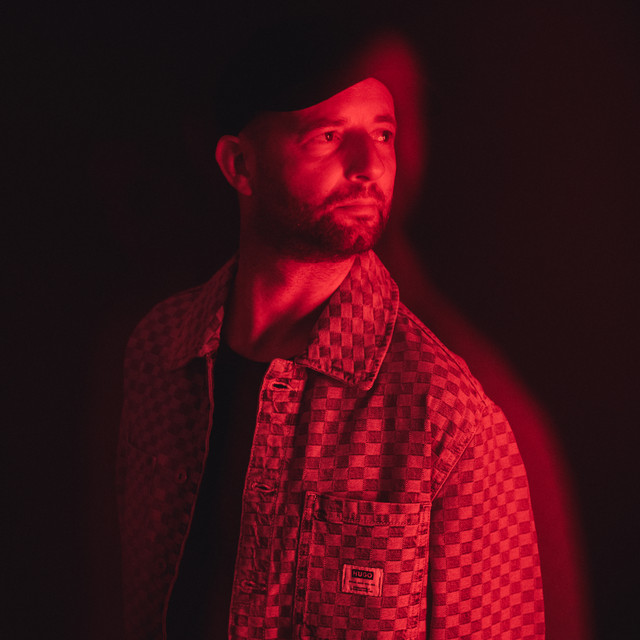
Andre VII
Listen
3
/5
Genres
Liquid Riddim
Liquid riddim is a melodic, atmospheric strain of riddim dubstep that fuses the sparse, half‑time bounce and call‑and‑response bass writing of riddim with the lush pads, emotive chord progressions, and airy textures of liquid drum and bass. Compared with heavier festival riddim, liquid riddim favors fluid, legato bass timbres, glassy arpeggios, and generous reverb and delay. The result is a sound that remains dance‑floor friendly at 140 BPM yet leans introspective, dreamy, and sentimental, often using water‑like foley, silky supersaw layers, and soft vocal chops to enhance its “liquid” aesthetic.
Discover
Listen
Rave Funk
Rave funk is a contemporary Brazilian club style that fuses the raw percussion, call‑and‑response vocals, and gritty bass of funk carioca with the supersaws, hoover stabs, white‑noise risers, and big‑room drops of EDM and rave. Typically sitting between 140–150 BPM (often at the Brazilian "150 BPM" pace), it uses the tamborzão or mandelão drum feel under festival‑scale synth builds and DJ‑friendly drops. The result is a high‑impact, dance‑floor sound that keeps the street energy of funk while adopting the dramatic structures of modern rave.
Discover
Listen
Melodic Techno
Melodic techno is a strain of techno that centers emotive, memorable melodies while retaining the hypnotic, steady pulse of club-oriented techno. It typically sits between 120 and 128 BPM, employs long-form arrangements, and favors minor-key progressions, evolving arpeggios, and lush pads over aggressive distortion. The style blends techno’s linear groove with the harmonic storytelling of progressive house and the suspended euphoria of trance. The overall palette is sleek and cinematic: warm analog leads, rolling sub-driven basslines, crisp 909/707-inspired drums, and extensive use of reverb, delay, and automation to create tension-and-release without resorting to maximal drops. Compared with big-room or festival trance, melodic techno tends to be darker and more restrained; compared with progressive house, it is often more minimal in its drum writing yet more insistent in its ostinatos and motifs. Its mood is frequently melancholic yet uplifting, making it effective both in late-night clubs and on large festival stages.
Discover
Listen
Dark Disco
Dark disco is a mid‑tempo, nocturnal strain of club music that fuses the hypnotic pulse of disco with the grit of post‑punk, EBM, coldwave, and industrial. It favors ominous basslines, minor‑key harmonies, reverb‑soaked guitars and vocals, and analog synth textures, resulting in a moody, cinematic atmosphere that is equally suited to sweaty basements and late‑night festival stages. Tempos typically sit between 105–120 BPM, with emphasis on groove, tension, and shadowy drama rather than maximal speed or brightness.
Discover
Listen
Peak Time Techno
Peak time techno is a high-impact, festival-ready strain of techno crafted for the most energetic moments of a set. It emphasizes driving, rolling grooves; big-room dynamics; and tension-and-release structures designed to move large dance floors. Typically running around 128–135 BPM in 4/4, it features saturated, punchy kicks, rumbling low-end bass, insistent off-beat hats, rides, and dramatic risers and impacts. Musical content is often minimal and functional, with short motifs, stabs, and builds that funnel into cathartic drops rather than elaborate melodies. The sound and mix are optimized for large PA systems: wide stereo effects above the mids, a mono-focused sub, and arrangements with extended intros/outros for seamless DJ layering.
Discover
Listen
Speed House
Speed house is a high-tempo offshoot of house that accelerates the genre’s usual groove into the 140–155 BPM range while retaining a four-on-the-floor pulse. It fuses the punchy low-end and switch-up drops of bass house with the streamlined structure of tech house, often adding rave-style stabs, fidgety fills, and chopped vocal hooks. Sound design tends to emphasize aggressive, saturated basslines, crisp drum transients, and snappy turnarounds, creating a festival-ready, high-energy feel that still reads as house rather than hard dance. The style became widely identified through the Speed House Movement community and releases, spreading across North America and Europe via DJ edits, label samplers, and social media-driven virality.
Discover
Listen
Re:techno
Re:techno is a contemporary, internet-native tag within the techno ecosystem that signals a return to early‑2000s loop/hardgroove aesthetics, updated with modern punch, loudness, and precision. Typically in the 130–138 BPM range, tracks emphasize driving 4/4 kicks, rolling off‑beat bass patterns, swung hi‑hats, toms, shakers, and tribal/Latin‑coded percussive riffs. The harmony is sparse—often limited to filtered stabs or drones—so that rhythm and texture carry the dance floor. Long DJ‑friendly intros/outros, incremental filtering, quick fills, and micro‑arrangement changes give the music an endlessly propulsive feel. Rather than inventing a new sound from scratch, re:techno reframes an existing lineage (Swedish/Iberian loop techno, hardgroove, acid/tribal currents) for today’s clubs and digital marketplaces, delivering highly mixable “tool” tracks that are functional, funky, and relentlessly dance‑floor oriented.
Discover
Listen
Indie Dance
Indie dance blends the melodic sensibilities and live‑band ethos of indie rock with the groove, repetition, and production techniques of club music. The result is a dancefloor‑friendly sound that keeps guitars, bass, and vocals in the spotlight while leaning on four‑on‑the‑floor drums, funky basslines, and luminous analog synths. The style typically sits around 108–124 BPM, favors warm vintage tones (Roland drum machines, Juno/Jupiter/Prophet synths), and draws on disco and new wave for harmony and rhythm. Hooks are carried by concise vocal lines and ear‑catching motifs, often delivered with the intimate, conversational tone associated with indie music.
Discover
Listen
Nu Disco
Nu disco is a 21st‑century reinterpretation of 1970s/early‑1980s disco, post‑disco, and Italo‑disco aesthetics filtered through modern house production. It favors warm analog timbres, live‑sounding basslines, four‑on‑the‑floor drums, and lush chords, but with contemporary clarity, arrangement discipline, and low‑end weight. Compared with classic disco or disco house, nu disco typically runs a touch slower and groovier, leans into Balearic and space‑disco atmospheres, and often blends boogie/funk instrumentation with synth‑pop and French‑house sensibilities. It is equally at home on sunset terraces and peak‑time dancefloors, embracing both nostalgia and modern dance utility.
Discover
Listen
Hard Techno
Hard techno is a high-energy, tough-edged branch of techno characterized by fast tempos, distorted and saturated kick drums, percussive loops, and minimal, industrial-tinged sound design. It emphasizes relentless 4/4 rhythms, heavy transient punch, and hypnotic repetition over melodic development, often using sparse riffs, noise sweeps, and metallic textures to build intensity. The style grew from late-1990s European club culture (notably Germany) and overlaps with schranz and industrial techno; in the 2010s–2020s it resurged globally with harder, faster tracks and rumble-bass aesthetics popular in large warehouse events.
Discover
Listen
Techno
Techno is a four-on-the-floor, machine-driven form of electronic dance music that emerged in mid-to-late 1980s Detroit. It is characterized by steady 4/4 kick drums, repetitive and hypnotic rhythmic patterns, synthetic timbres, and an emphasis on texture, groove, and forward momentum over elaborate harmony. Producers typically use drum machines, sequencers, and synthesizers to build layered percussion, pulsing basslines, and evolving motifs. While often dark and minimalistic, techno spans a wide spectrum—from soulful, futuristic Detroit aesthetics to hard, industrially tinged European strains—yet it consistently prioritizes kinetic energy for dancefloors and a sense of machine futurism.
Discover
Listen
House
House is a dance music genre that emerged in Chicago in the early 1980s, defined by a steady four-on-the-floor kick drum, off-beat hi-hats, soulful or hypnotic vocals, and groove-centric basslines. Typical tempos range from 118–130 BPM, and tracks are structured in DJ-friendly 16–32 bar phrases designed for seamless mixing. Drawing on disco’s celebratory spirit, electro-funk’s drum-machine rigor, and Italo/Hi-NRG’s synth-led sheen, house prioritizes repetition, tension-and-release, and communal energy on the dancefloor. Its sound palette often includes 808/909 drums, sampled or replayed disco/funk elements, filtered loops, piano/organ stabs, and warm, jazzy chords. Over time, house diversified into many substyles—deep house, acid house, French house, tech house, progressive house, and more—yet it remains a global foundation of club culture, known for emphasizing groove, inclusivity, and euphoria.
Discover
Listen
Show all 12 genres
Similar artists
1
/5
Various Artists
Soundtrack
Afro-Funk
Alternative Rock
3
/5
Adam Sellouk
Indie Dance
Melodic Techno
House
2
/5
Sasha Carassi
House
Indie Dance
Melodic Techno
1
/5
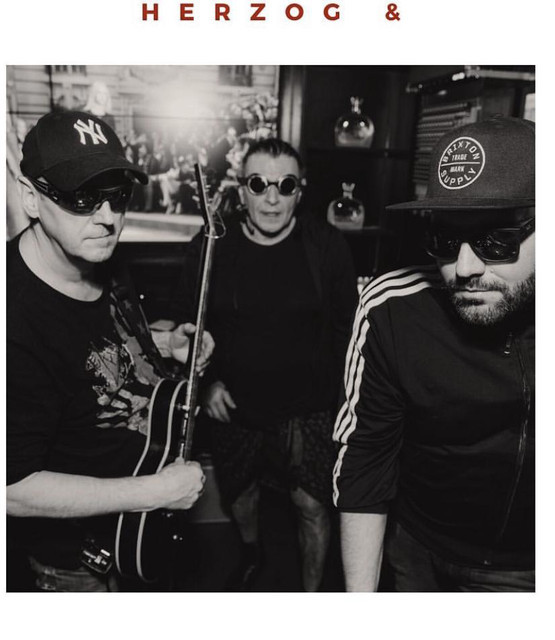
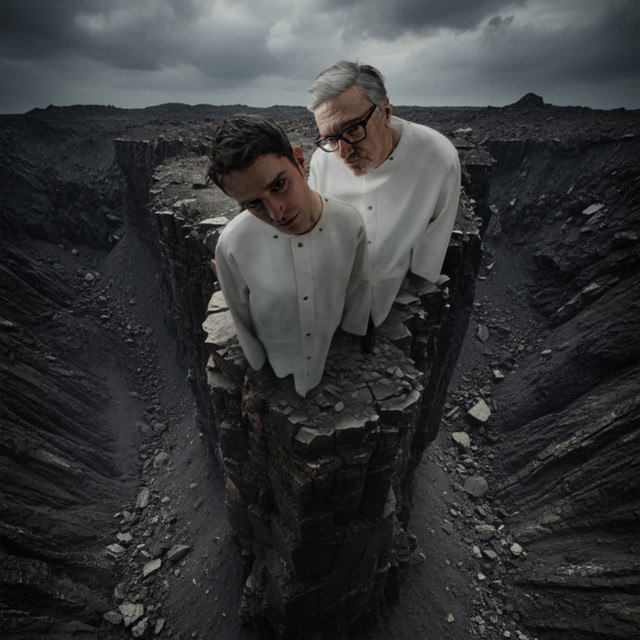
Herzog & Aurich
House
Indie Dance
Melodic Techno
Depaart
House
Indie Dance
Melodic Techno
4
/5
BEAUZ
Hard Techno
Techno
Hyper Techno
3
/5
Reinier Zonneveld
Techno
Electronic
Acid Techno
3
/5
Schrotthagen
Hard Techno
Techno
Melodic Techno
2
/5
Heerhorst
Acid Techno
Hard Techno
Melodic Techno
2
/5
Felix Kröcher
Schranz
Acid Techno
Hard Techno
Download our mobile app
Get the Melodigging app and start digging for new genres on the go
Download on the App Store
Get it on Google Play
© 2026 Melodigging
Give feedback
Legal
Melodding was created as a tribute to
Every Noise at Once
, which inspired us to help curious minds keep digging into music's ever-evolving genres.