Genres
Artists
Albums
Make Music
Sign in
Sign in
Artists
Chachachá
Artists
Chachachá
Alejandro Cardona
2008–2014
·
2 albums
Listen
1
/5
Genres
Chachachá
Chachachá is a Cuban dance‑music genre that emerged in early‑1950s Havana as a dancer‑friendly offshoot of danzón‑mambo. It is typically performed by charanga ensembles—flute and violins over piano, bass, güiro, and timbales—producing a light, elegant sonority distinct from the brass‑heavy mambo big bands. The groove is mid‑tempo with a clear, even pulse that supports the signature “cha‑cha‑chá” triple step heard in the dancers’ feet. Melodies are tuneful and diatonic, harmonies favor simple I–IV–V movements with occasional II–V turnarounds, and arrangements move from a lyrical cuerpo to a montuno section featuring coro‑pregón call‑and‑response, piano tumbao, and tasteful flute improvisations. The name “chachachá” is often traced to the shuffling sound of the dancers’ steps; composer‑violinist Enrique Jorrín simplified mambo syncopations to make the beat more square and intelligible, which helped the style spread worldwide through social and ballroom dance.
Discover
Listen
Tropical Music
Tropical music (música tropical) is an umbrella for dance-oriented Afro-Caribbean and coastal Latin American styles that were popularized across the Spanish-speaking world in the mid‑20th century. It blends African-derived polyrhythms and percussion with horn-led orchestras, call-and-response vocals, and catchy, romantic choruses. Typical repertoires mix cumbia, porro, merecumbé, son, mambo, merengue, pachanga, bolero, and related rhythms, presented by big bands or compact combos aimed squarely at social dancing. Beyond a single beat or tempo, the hallmark is a bright, syncopated groove (often organized around the clave), tumbao bass lines, montuno piano patterns, and sectional brass “mambos.” Over time, tropical music absorbed electric instruments and studio production while keeping its festive, coastal character.
Discover
Listen
Mambo
Mambo is a Cuban dance music style that crystallized in the late 1930s from danzón and son montuno, then exploded internationally in the 1940s and 1950s. It is characterized by layered syncopations under the Afro‑Cuban clave, driving bass tumbaos, piano montunos, and powerful antiphonal horn riffs known as moñas or "mambo" sections. In its classic big‑band form, mambo blends Cuban rhythmic vocabulary with jazz and swing arranging, featuring trumpets, trombones, and saxophones over a rhythm section of congas, bongos, timbales, cowbell, bass, and piano. The result is high‑energy, riff‑driven music built for social dancing and floor‑filling excitement.
Discover
Listen
Danzón
Danzón is a refined Cuban dance-music genre that emerged in the late 19th century and became the island’s national dance. It is characterized by an elegant, measured tempo, a promenading introduction called the paseo, and a succession of graceful, melodically rich themes. Rhythmically, danzón is anchored by Afro-Cuban syncopations such as the tresillo and the cinquillo, articulated by güiro and timbales (paila) over a steady bass. Traditionally performed by charanga ensembles—featuring wooden flute, violins, piano, string bass, güiro, and timbales—the style epitomizes salon sophistication while retaining a distinctly Afro-Caribbean rhythmic identity.
Discover
Listen
Orchestral
Orchestral music refers to compositions written for an orchestra—a large ensemble typically built around a string section (violins, violas, cellos, double basses), complemented by woodwinds, brass, percussion, and often harp, keyboard, or other auxiliary instruments. A conductor coordinates the ensemble, shaping balance, phrasing, and expression. The style emphasizes coloristic timbre combinations, dynamic range from the softest pianissimo to explosive tuttis, and textures that can shift seamlessly between transparent chamber-like writing and monumental masses of sound. Orchestral writing underpins concert genres such as symphonies, overtures, and tone poems, as well as opera, ballet, and modern film and game scores. While orchestral writing evolved across centuries, its core craft centers on melody, counterpoint, harmony, register, and orchestration—the art of assigning musical ideas to instruments to achieve clarity, contrast, and narrative impact.
Discover
Listen
Albums
2014
1
/5
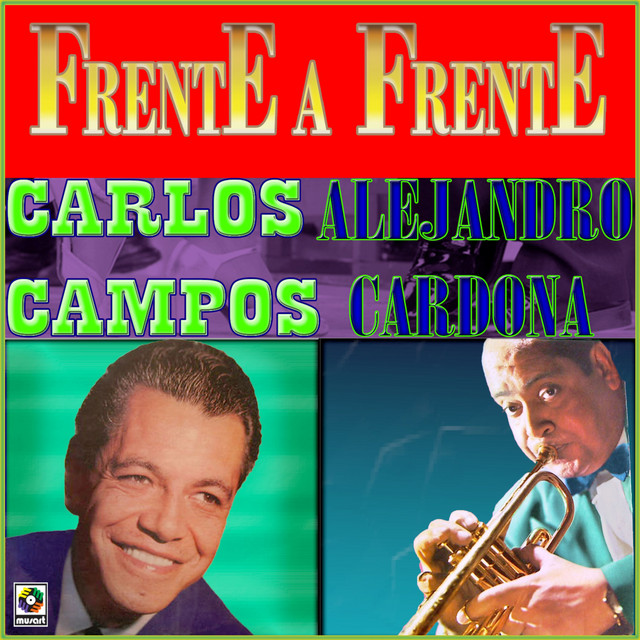
Frente A Frente
Alejandro Cardona
Danzón
2008
1
/5
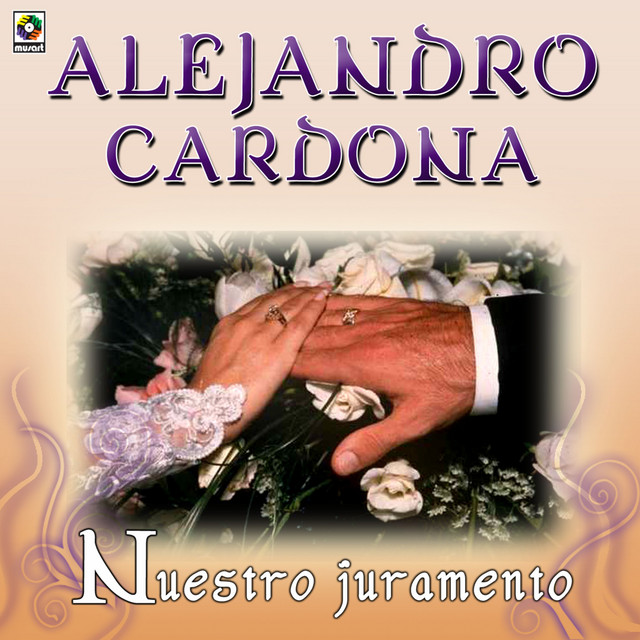
Nuestro Juramento
Alejandro Cardona
Danzón
Similar artists
3
/5
Orquesta Aragón
Chachachá
Charanga
Danzón
1
/5
Mariano Mercerón Y Su Orquesta
Chachachá
Latin Jazz
Mambo
1
/5
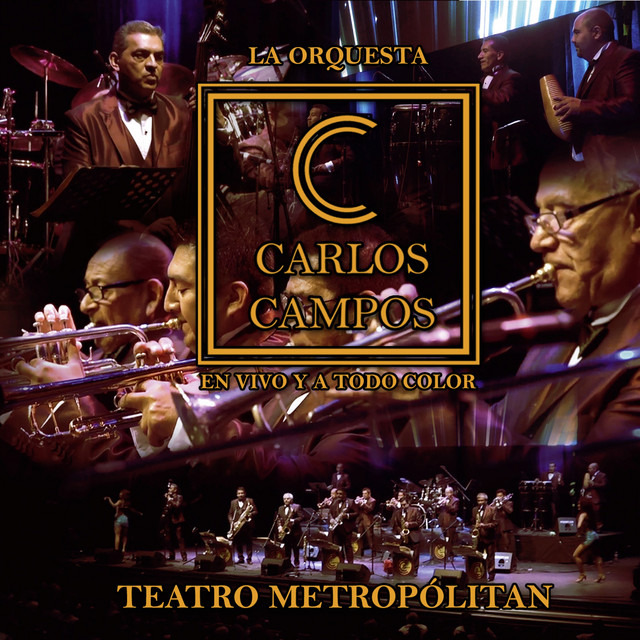
Orquesta de Carlos Campos
Chachachá
Mambo
Orchestral
3
/5
Marimba Cuquita de los Hermanos Narvaez
Danzón
Chachachá
Mambo
2
/5
Ramon Marquez
Danzón
Son Cubano
Chachachá
2
/5
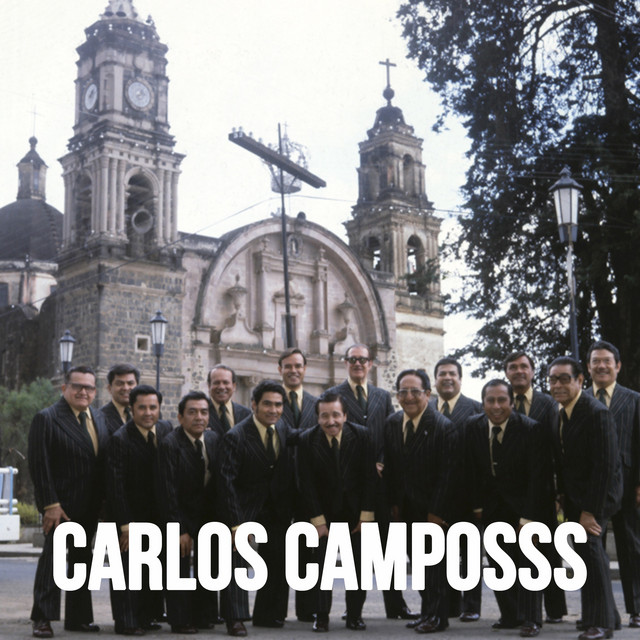
Carlos Campos Y Orquesta
Danzón
Chachachá
Mambo
2
/5
Acerina Y Su Danzonera
Danzón
Bolero
Chachachá
2
/5
Mariano Merceron
Danzón
Chachachá
Mambo
2
/5
Merceron y Acerina
Danzón
Chachachá
Exotica
2
/5
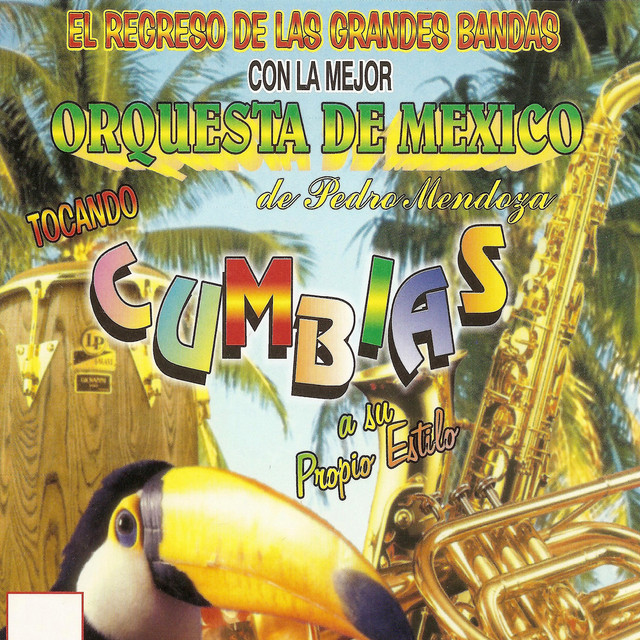
Orquesta de Mexico de Pedro Mendoza
Chachachá
Danzón
Mambo
Download our mobile app
Get the Melodigging app and start digging for new genres on the go
Download on the App Store
Get it on Google Play
© 2026 Melodigging
Give feedback
Legal
Melodding was created as a tribute to
Every Noise at Once
, which inspired us to help curious minds keep digging into music's ever-evolving genres.