Genres
Artists
Albums
Make Music
Sign in
Sign in
Artists
Chicha
Artists
Chicha
Agrupación Sin Ley
2010
·
1 album
Listen
2
/5
Genres
Cumbia Boliviana
Cumbia boliviana is a regional Andean offshoot of cumbia that crystallized in Bolivia in the 1980s and flourished through the 1990s with the rise of affordable electronic keyboards. It retains cumbia’s danceable 2/4 groove but is distinguished by bright, lead‑melody synthesizers that emulate panpipes and quena, clean chorus‑tinged guitars, and a strong Andean melodic sensibility (often minor‑mode or pentatonic turns). The result is a bittersweet, romantic party music equally at home in urban salons and rural fiestas. Typical songs foreground yearning vocals, call‑and‑response hooks, and catchy synth riffs; tempos tend to be medium to brisk, inviting couples to dance in a close embrace or lively circle steps.
Discover
Listen
Chicha
Chicha is a Peruvian branch of cumbia that crystallized in urban migrant neighborhoods during the late 1960s and 1970s. It fuses Colombian cumbia rhythms with Andean huayno melodies, played on electric guitars that carry surf- and psychedelic-rock inflections. The style is defined by bright, reverb-soaked lead guitar lines in pentatonic (often Andean) motifs, Farfisa- or Hammond-type organs doubling riffs, and a steady cumbia groove driven by drum kit, güiro, and congas. Lyrics frequently reflect internal migration, working-class life, love, longing, and the bittersweet experience of cultural hybridity in Lima and other Peruvian cities. Chicha is sometimes called cumbia peruana (though that umbrella also includes Amazonian cumbia). Its imagery and street-poster aesthetics—neon colors and bold typography—became synonymous with the sound’s vibrant, grassroots identity.
Discover
Listen
Cumbia
Cumbia is a syncretic dance-music tradition from Colombia’s Caribbean coast that blends African rhythmic heritage, Indigenous (especially gaita flute) melodic practice, and Spanish colonial instrumentation and forms. Traditionally performed in a moderate 2/4 (often felt in 4/4 today), it features interlocking hand-drum parts (tambora, alegre, llamador), guacharaca or maracas for steady texture, and long cane flutes (gaita hembra and gaita macho) carrying call-and-response melodies. As it spread in the 20th century, orchestras and dance bands added accordion, horns, piano, bass, and later electric guitar and synthesizers, creating urban and pan–Latin American variants. Harmonically simple and rhythm-forward, cumbia places groove, ostinati, and vocal refrains at the center, making it both ceremonial in origin and enduringly popular on social dance floors across the Americas.
Discover
Listen
Albums
2010
Paso a Paso
Agrupación Sin Ley
Cumbia Boliviana
Similar artists
3
/5
America Pop
Chicha
Cumbia
Electrocumbia
2
/5
Los Brothers De Bolivia
Chicha
Cumbia
Cumbia Boliviana
2
/5
Grupo Sabor Sabor
Chicha
Cumbia
Cumbia Boliviana
2
/5
Grupo Maroyu
Chicha
Cumbia
Electrocumbia
2
/5
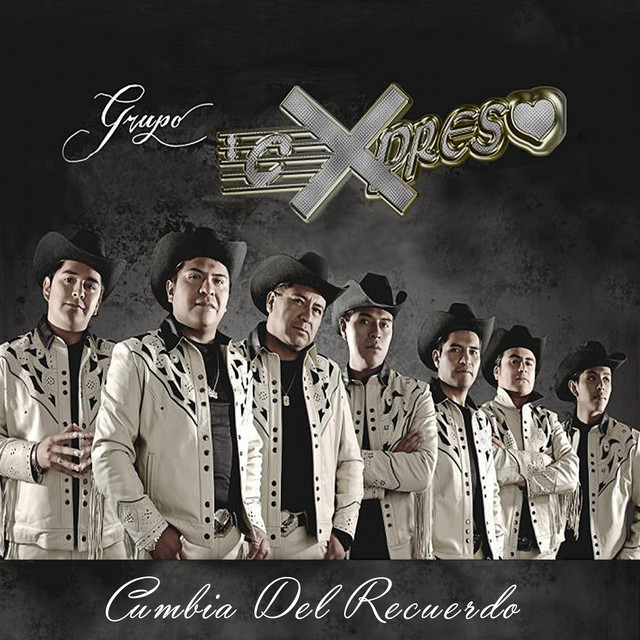
Grupo Expreso
Chicha
Cumbia
Cumbia Boliviana
2
/5
Los Kory's
Chicha
Cumbia
Cumbia Boliviana
2
/5
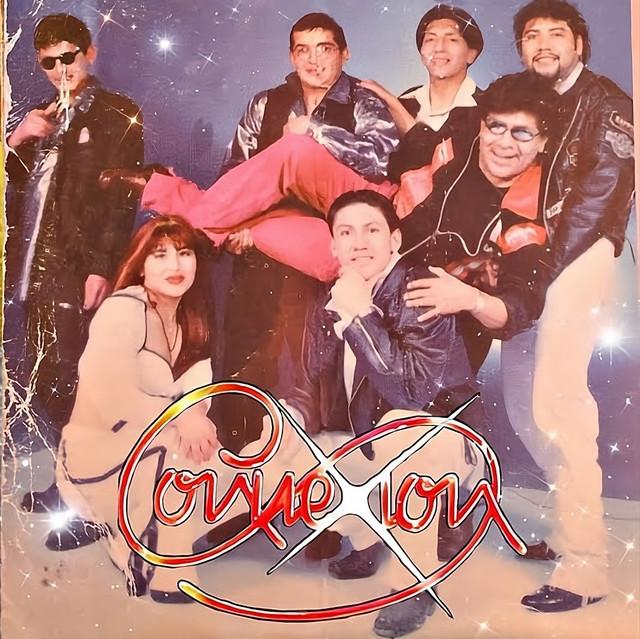
Connexion
Chicha
Cumbia
Cumbia Boliviana
2
/5
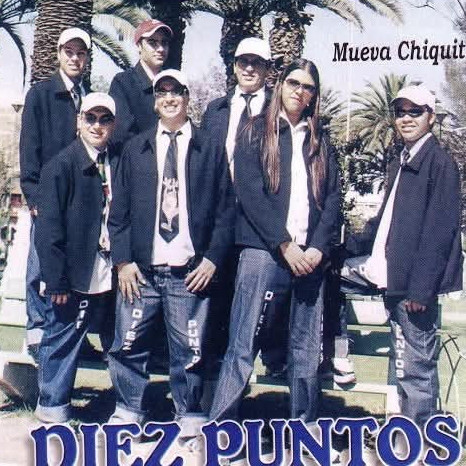
Diez Puntos
Chicha
Cumbia
Cumbia Boliviana
2
/5
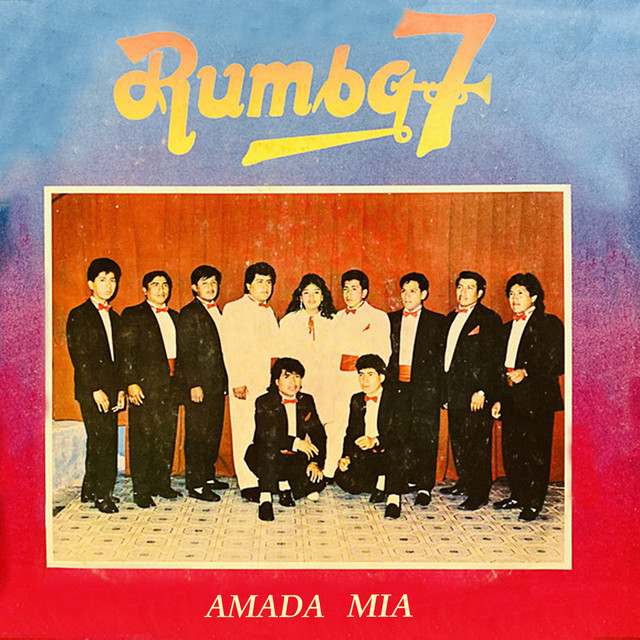
Rumba 7
Chicha
Cumbia
Huayno
1
/5
Veneno
Chicha
Cumbia
Cumbia Boliviana
Download our mobile app
Get the Melodigging app and start digging for new genres on the go
Download on the App Store
Get it on Google Play
© 2026 Melodigging
Give feedback
Legal
Melodding was created as a tribute to
Every Noise at Once
, which inspired us to help curious minds keep digging into music's ever-evolving genres.