Genres
Artists
Albums
Make Music
Sign in
Sign in
Artists
Campus Folk
Artists
Campus Folk
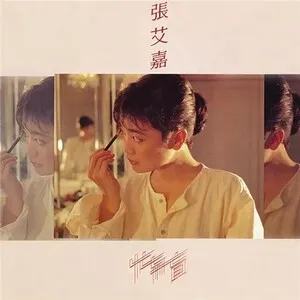
張艾嘉
1985
·
1 album
Listen
2
/5
Genres
Campus Folk
Campus folk (Mandarin: 校园民歌) is a Taiwanese-born strain of modern folk and folk‑rock whose core emerged on university campuses in the mid‑1970s. Student songwriters set Chinese‑language poetry and everyday reflections to acoustic guitar and light ensemble backing, favoring intimate vocals, memorable melodies, and simple, folk-derived harmonies. Created partly in reaction to the dominance of Western rock in Taiwan at the time, campus folk reclaimed themes, imagery, and prosody from the broader Chinese cultural sphere. The style flourished from the mid‑1970s through the early 1990s, producing enduring standards such as Olive Tree and The Descendants of the Dragon, and then inspired parallel waves of campus folk in mainland China during the 1990s as cross‑strait cultural exchange expanded.
Discover
Listen
Taiwanese Pop
Taiwanese pop is the broad umbrella for popular music created in Taiwan, spanning Mandarin (Mandopop) and Taiwanese Hokkien (Taiyu) repertoires, with contributions in Hakka and Indigenous languages. It blends the melodic lineage of early Chinese shidaiqu, Japanese kayōkyoku/idol aesthetics, and Western pop-rock, R&B, hip hop, and synth-driven production. The result is a polished, hook-forward sound that ranges from intimate folk-pop ballads to stadium-sized rock and dance-pop. Beyond style, Taiwanese pop is defined by its songwriting craft, emotive vocals, and karaoke-friendly choruses. Its industry infrastructure—iconic labels, variety TV, and cross-strait distribution—helped make Taipei a major hub for Chinese-language popular music across East and Southeast Asia.
Discover
Listen
Folk Pop
Folk pop is a commercially friendly blend of traditional folk sensibilities and modern pop songwriting. It preserves the acoustic instrumentation, close harmonies, and storytelling of folk while adopting pop structures, memorable hooks, and radio-ready production. The genre is marked by clear vocals, singalong choruses, and warm, organic textures built around acoustic guitar, light percussion, and sometimes banjo, mandolin, or strings. Lyrically it is personal and narrative-driven, often touching on love, memory, place, and everyday life in a direct and relatable way.
Discover
Listen
Pop
Pop is a broad, hook-driven style of popular music designed for wide appeal. It emphasizes memorable melodies, concise song structures, polished vocals, and production intended for radio, charts, and mass media. While pop continually absorbs elements from other styles, its core remains singable choruses, accessible harmonies, and rhythmic clarity. Typical forms include verse–pre-chorus–chorus, frequent use of bridges and middle-eights, and ear-catching intros and outros. Pop is not defined by a single instrumentation. It flexibly incorporates acoustic and electric instruments, drum machines, synthesizers, and increasingly digital production techniques, always in service of the song and the hook.
Discover
Listen
Mandopop
Mandopop (Mandarin popular music) is the Mandarin-language branch of Chinese popular music, built on songcraft that blends Western pop forms with Chinese melodic aesthetics and lyric sensibilities. It favors strong vocal melodies, polished production, and emotionally direct lyrics, ranging from lush romantic ballads to sleek R&B, dance-pop, and band-driven pop-rock. Because Mandarin is a tonal language, phrasing and melodic contour are crafted to respect word tones while remaining singable and memorable. Historically centered in Shanghai’s pre-war Shidaiqu era, Mandopop later flourished in Taiwan and Hong Kong and now thrives across Mainland China, Singapore, Malaysia, and the global Chinese diaspora. It is both a mass-market mainstream and a platform for singer-songwriters who continually fuse local idioms with global pop trends.
Discover
Listen
Ballad
A ballad is a narrative song form that tells a story in simple, singable stanzas, traditionally using quatrains in ballad meter (alternating lines of iambic tetrameter and trimeter with an ABCB rhyme scheme). Ballads typically recount dramatic events—love, betrayal, tragedy, murder, the supernatural—or notable historical incidents. Early ballads were often sung unaccompanied or with minimal accompaniment, carried by memorable, modal melodies and refrains that aided oral transmission. Over time, the term also came to describe slow, sentimental popular songs in the 20th century, but the core of the genre remains the storytelling focus and strophic, easily learned structure. Ballads are central to the English- and Scots-language folk traditions, migrated to North America where they flourished in Appalachian singing, and continue to be performed, adapted, and reinterpreted in contemporary folk and roots scenes.
Discover
Listen
Albums
1985
2
/5
忙與盲
Sylvia Chang 張艾嘉
Campus Folk
Similar artists
3
/5
Chyi Yu
Mandopop
C-Pop
Campus Folk
2
/5
潘越雲
Mandopop
C-Pop
Hokkien Pop
3
/5
羅大佑
C-Pop
Campus Folk
Cantopop
3
/5
李宗盛
C-Pop
Cantopop
Mandopop
2
/5
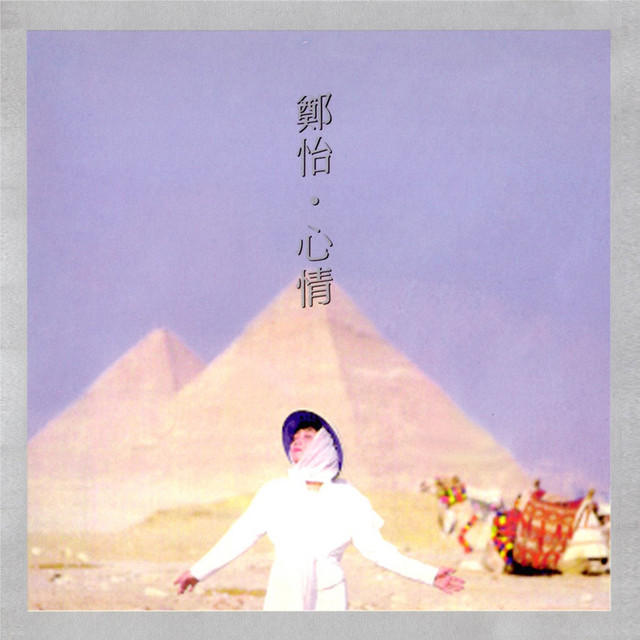
鄭怡
Mandopop
Taiwanese Pop
Campus Folk
2
/5
潘安邦
Mandopop
Taiwanese Pop
Campus Folk
2
/5
YinShia
Mandopop
Taiwanese Pop
Campus Folk
2
/5
陳明韶
Mandopop
Taiwanese Pop
Campus Folk
2
/5
許景淳
Mandopop
Taiwanese Pop
Campus Folk
1
/5
包美聖
Mandopop
Taiwanese Pop
Campus Folk
Download our mobile app
Get the Melodigging app and start digging for new genres on the go
Download on the App Store
Get it on Google Play
© 2026 Melodigging
Give feedback
Legal
Melodding was created as a tribute to
Every Noise at Once
, which inspired us to help curious minds keep digging into music's ever-evolving genres.