Genres
Artists
Albums
Make Music
Sign in
Sign in
Artists
Enka
Artists
Enka
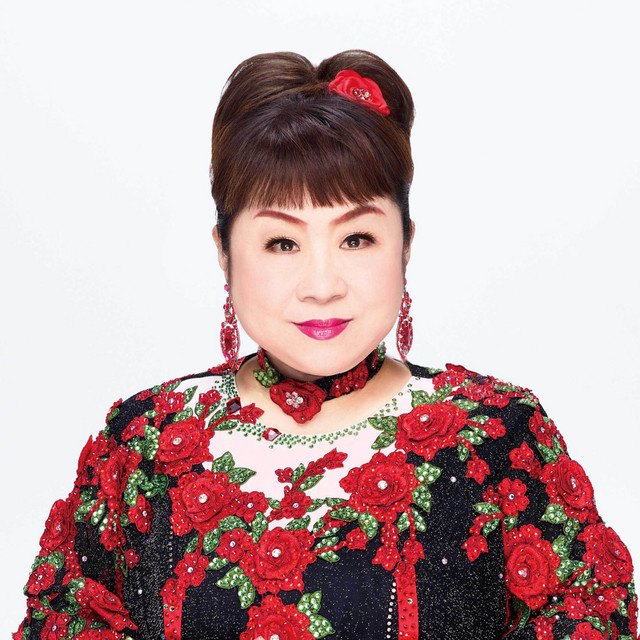
天童よしみ
2007
·
1 album
Listen
2
/5
Genres
Modern Enka
Modern enka is a postwar Japanese popular-sentimental style that refines earlier enka and kayōkyoku into a highly codified, melodramatic song form. It is defined by expressive, vibrato-rich vocals (kobushi), pentatonic melodic language (yo and in scales), and lyrics steeped in longing, heartbreak, travel, seasons, and nostalgia for hometown and simpler times. Arrangements typically blend Western orchestration (strings, accordion, saxophone, drum kit) with Japanese color (shamisen, shakuhachi), and in later decades, polished studio production with electric guitar and synthesizers. Tempos are usually slow to moderate in 4/4 or 2/4, often with rubato, ritardandi, and a climactic upward key change near the end.
Discover
Listen
Enka
Enka is a Japanese popular song style known for its sentimental ballads, expressive vocals with wide vibrato, and dramatic, narrative delivery. It evokes nostalgia for hometowns, bygone eras, and lost love, often painting scenes of coastal ports, country roads, and seasonal landscapes. Musically, enka blends Western harmonic frameworks with Japanese melodic sensibilities. Melodies often use yonanuki (four-note-omission) major or minor pentatonic variants, creating a “traditional” Japanese color over simple, diatonic progressions. Arrangements favor lush strings, reverb-laden guitars, saxophone obbligatos, and occasional traditional timbres (shamisen or shakuhachi) for color. Culturally, enka rose to mass popularity during the postwar Shōwa era and remains tied to television variety shows, karaoke bars, and live theater venues. Its performance practice foregrounds pathos, rubato phrasing, and ornamental turns called kobushi.
Discover
Listen
Kayōkyoku
Kayōkyoku is a broad umbrella of Japanese popular song that dominated the nation’s mainstream from the prewar era through the 1980s, before the term J‑pop became prevalent. It blends Western popular idioms—such as jazz, swing, tango, and later rock and roll—with Japanese melodic sensibilities and lyric themes. Stylistically, kayōkyoku favors clear, memorable melodies, polished vocal delivery, and orchestral or big‑band arrangements. Its songs often use Western song forms (AABA or verse–chorus), while retaining a distinctly Japanese emotional tone rooted in nostalgia, romance, and everyday urban life.
Discover
Listen
Japanese Classical
Japanese classical refers to the courtly, religious, theatrical, and chamber traditions that crystallized in Japan from the Nara and Heian periods onward. It encompasses Gagaku (imperial court music), Shinto ritual music (kagura), Buddhist chant (shōmyō), Noh and Kabuki repertories (e.g., nagauta, jōruri), and chamber music for koto, shamisen, and shakuhachi (sankyoku). The style emphasizes modal color (ryō and ritsu modes, along with later in/yo pentatonic variants), the dramatic architecture of jo–ha–kyū (slow introduction, development, swift conclusion), and the aesthetic of ma (meaningful silence/space). Textures are often heterophonic or layered, timbres are cultivated for breathy, reedy, and bell-like colors (e.g., shō, hichiriki, ryūteki), and rhythm can range from free-flowing chant to stately ceremonial cycles. The result is a contemplative yet ceremonially powerful sound world distinct from Western common-practice tonality.
Discover
Listen
Albums
2007
紅~くれない~ ベスト・セレクション
天童よしみ
Modern Enka
Similar artists
2
/5
Aiko Moriyama
Enka
Japanese Classical
Kayōkyoku
1
/5
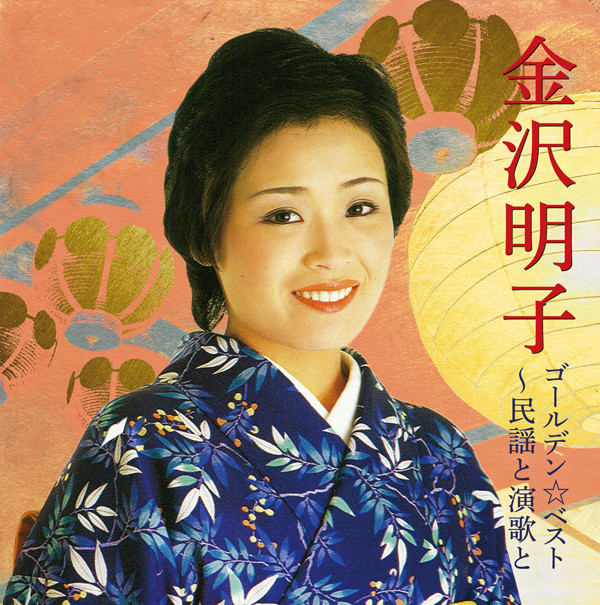
Akiko Kanazawa
Enka
Japanese Classical
Kayōkyoku
1
/5
桃山晴衣
Enka
Japanese Classical
Jōruri
2
/5
川中美幸
Enka
Kayōkyoku
Modern Enka
2
/5
Natsuko Godai
Enka
Kayōkyoku
Modern Enka
1
/5
Miyuki Yamamoto
Enka
Kayōkyoku
Modern Enka
3
/5
Yumi Matsutoya
City Pop
J-Pop
Pop
3
/5
Seiko Matsuda
Idol Kayō
City Pop
Enka
3
/5
Akina Nakamori
Idol Kayō
Techno Kayō
Kayōkyoku
3
/5
Koji Tamaki
Enka
Kayōkyoku
Aor
Download our mobile app
Get the Melodigging app and start digging for new genres on the go
Download on the App Store
Get it on Google Play
© 2026 Melodigging
Give feedback
Legal
Melodding was created as a tribute to
Every Noise at Once
, which inspired us to help curious minds keep digging into music's ever-evolving genres.