Genres
Artists
Albums
Make Music
Sign in
Sign in
Artists
Prehistoric Music
Artists
Prehistoric Music
土取利行
2008
·
4 albums
Listen
1
/5
Genres
New Age
New age is a largely instrumental, mood-driven genre that emphasizes calm, spacious textures and a sense of spiritual or contemplative uplift. It blends gentle electronic timbres, acoustic instruments, and global/folk influences to create immersive soundscapes intended for relaxation, meditation, and introspection. Hallmarks include slow tempos or free time, long sustaining pads, modal and consonant harmonies, nature field recordings, and unobtrusive rhythms. The music often avoids dramatic tension in favor of openness and continuity, conveying themes of inner peace, nature, and the transcendent.
Discover
Listen
Free Improvisation
Free improvisation is a practice of spontaneous music-making that avoids fixed idioms, stylistic templates, and pre-agreed structures. Musicians prioritize listening, interaction, and the exploration of sound itself—timbre, texture, dynamics, and silence—over conventional melody, harmony, or pulse. Guitarist Derek Bailey popularized the notion of "non-idiomatic improvisation," describing a music that deliberately resists falling into recognizable genre habits. While often overlapping with free jazz and contemporary classical experimentalism, free improvisation is not confined to either. It welcomes any instrument or sound source—acoustic, electronic, or everyday objects—and frequently uses extended techniques, feedback, and unconventional performance gestures. Performances can range from whisper-quiet, pointillistic interplay to ferocious, high-energy noise, with the ensemble shaping form in real time through attention and constraint.
Discover
Listen
Folk
Folk is a song-centered acoustic tradition rooted in community storytelling, everyday life, and social history. It emphasizes clear melodies, simple harmonies, and lyrics that foreground narrative, protest, and personal testimony. As a modern recorded genre, folk coalesced in the early-to-mid 20th century in the United States out of older ballad, work song, and rural dance traditions. It typically features acoustic instruments (guitar, banjo, fiddle, mandolin, harmonica), strophic song forms, and participatory singing (choruses, call-and-response).
Discover
Listen
Jazz
Jazz is an improvisation-centered music tradition that emerged from African American communities in the early 20th century. It blends blues feeling, ragtime syncopation, European harmonic practice, and brass band instrumentation into a flexible, conversational art. Defining features include swing rhythm (a triplet-based pulse), call-and-response phrasing, blue notes, and extended harmonies built on 7ths, 9ths, 11ths, and 13ths. Jazz is as much a way of making music—spontaneous interaction, variation, and personal sound—as it is a set of forms and tunes. Across its history, jazz has continually hybridized, from New Orleans ensembles and big-band swing to bebop, cool and hard bop, modal and free jazz, fusion, and contemporary cross-genre experiments. Its influence permeates global popular and art music.
Discover
Listen
Traditional Folk
Traditional folk is a broad umbrella for orally transmitted songs and dance tunes that circulated in rural and working-class communities before the age of mass recording. Repertoires include narrative ballads, laments, love songs, work songs, lullabies, and instrumental dance sets such as reels, jigs, hornpipes, and marches. Stylistically, traditional folk favors strophic forms, pentatonic or modal melodies (often Dorian and Mixolydian), limited harmonic movement, and strong, memorable tunes designed for communal singing and dancing. Performances range from unaccompanied solo voice to small ensembles built around fiddle, flute/whistle, pipes, concertina/accordion, guitar, banjo, and frame drum. Ornamentation, variation by verse, and flexible tempo are integral, reflecting an oral tradition where songs live through continual reinterpretation. Although it is pan‑regional, the modern idea of “traditional folk” coalesced in the 19th century through collectors and revivalists who documented vernacular music and framed it as cultural heritage.
Discover
Listen
Ancient Music
Ancient music refers to the musical practices of the literate civilizations of antiquity (e.g., Mesopotamia, Egypt, Greece, Rome, the Levant, Persia, India, and China) before the medieval period. It is largely monophonic, text-driven, and modal, and survives today through a small corpus of notated fragments, theoretical treatises, iconography, and instrument remains. Its sound world is characterized by modal pitch systems (e.g., ancient Greek harmoniai built from tetrachords), rhythm tied to poetic meter, and timbres from lyres, harps, auloi (double-reed pipes), flutes, rattles/sistra, frame drums, and early lutes. Because authentic performance practice must be reconstructed, modern revivals rely on scholarship in archaeology, philology, and organology as much as on musical craft.
Discover
Listen
Japanese Music
Japanese music is a broad umbrella that spans ancient court and religious traditions, regional folk repertoires, and a vast spectrum of modern popular and experimental styles. Its aesthetic is often defined by timbral nuance, the expressive use of silence (ma), flexible rhythm, and modal pitch collections distinct from common-practice Western harmony. Core traditional streams include gagaku (imperial court music), shōmyō (Buddhist chant), noh and kabuki theater music (e.g., nagauta), and min'yō (folk song). Instruments such as the koto, shamisen, shakuhachi, biwa, and various taiko drums shape its signature sound. Since the Meiji period, Western classical, band, jazz, rock, electronic, and hip-hop idioms have been localized into uniquely Japanese forms—from kayōkyoku and enka to city pop, J-pop, Vocaloid, and game/anime music.
Discover
Listen
Prehistoric Music
Prehistoric music refers to all musical activity that predates writing systems and recorded history. It encompasses the sounds, instruments, and performance practices of Paleolithic, Mesolithic, and Neolithic peoples long before formal musical notation or named composers existed. Rather than fixed repertoires, prehistoric music was a living practice tied to daily life, ritual, and environment. Voices, bone flutes, shell horns, drums, rattles, clapped stones (lithophones), and resonant caves functioned as both instruments and acoustic spaces. Its organization was likely cyclic and participatory, favoring pulse-driven rhythms, drones, call-and-response, and heterophony over harmonies and chords. Archaeological finds such as Aurignacian bone flutes in the Swabian Jura (Germany), the controversial Divje Babe artifact (Slovenia), and Jiahu flutes (China) attest to a wide geographic spread and deep antiquity. While unknowable in detail, prehistoric music laid the groundwork for the world’s ancient musical traditions.
Discover
Listen
Show all 8 genres
Albums
2008
1
/5
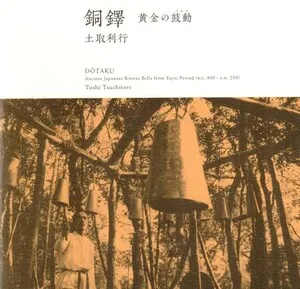
Dōtaku: Ancient Japanese Bronze Bells From Yayoi Period (B.C. 400 - A.D. 250) 銅鐸: 黄金の鼓動
Toshiyuki Tsuchitori 土取利行
Ancient Music
Japanese Music
2008
1
/5
Jōmonko: Pottery Drums of Jōmon Period (B.C. 3000 - B.C. 2500) 縄文鼓: 大地の響震
Toshiyuki Tsuchitori 土取利行
Prehistoric Music
2008
1
/5
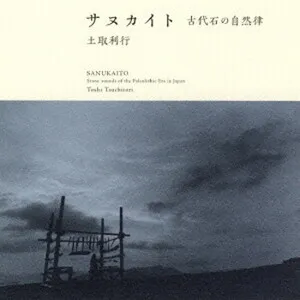
Sanukaito: Stone Sounds of the Paleolithic Era in Japan サヌカイト: 古代石の自然律
Toshiyuki Tsuchitori 土取利行
Prehistoric Music
Folk
Free Improvisation
2008
1
/5
The Sounds of Prehistoric Painted Cave: Playing in the Cave of Cougnac, France 瞑響・壁画洞窟: 旧石器時代のクロマニョン・サウンズ
Toshiyuki Tsuchitori 土取利行
Prehistoric Music
Free Improvisation
Jazz
Similar artists
1
/5
Various Artists
Afro-Funk
Alternative Rock
Ambient
2
/5
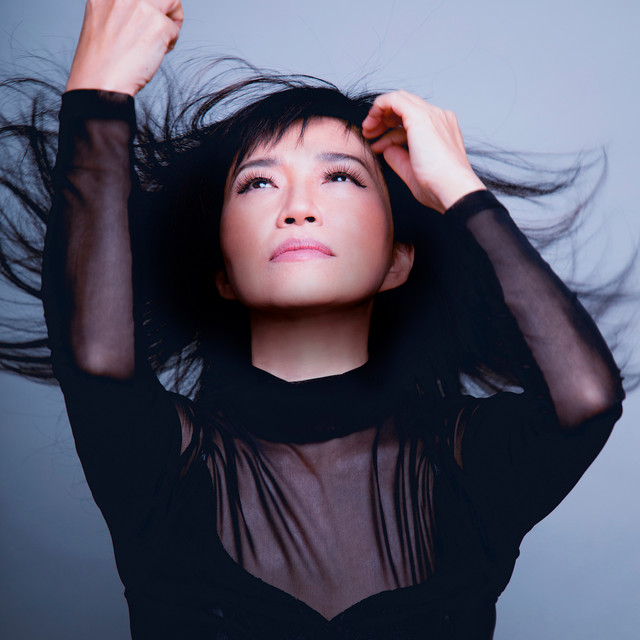
Keiko Matsui
Jazz
New Age
Smooth Jazz
2
/5
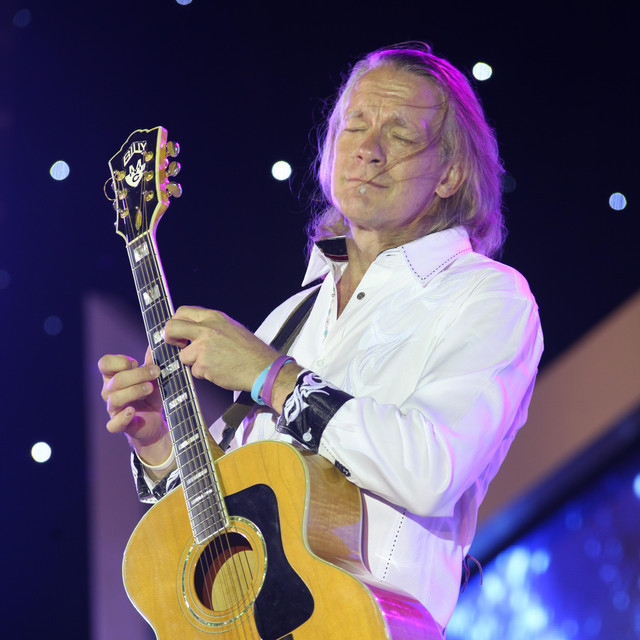
Billy McLaughlin
New Age
Traditional Folk
2
/5
Lawrence Blatt
New Age
Traditional Folk
2
/5
Ars Nova Singers
Choral
New Age
Space Music
2
/5
Art Ensemble Of Chicago
Free Improvisation
Jazz
Avant-Garde Jazz
2
/5
Connie Dover
Celtic
New Age
Traditional Folk
1
/5
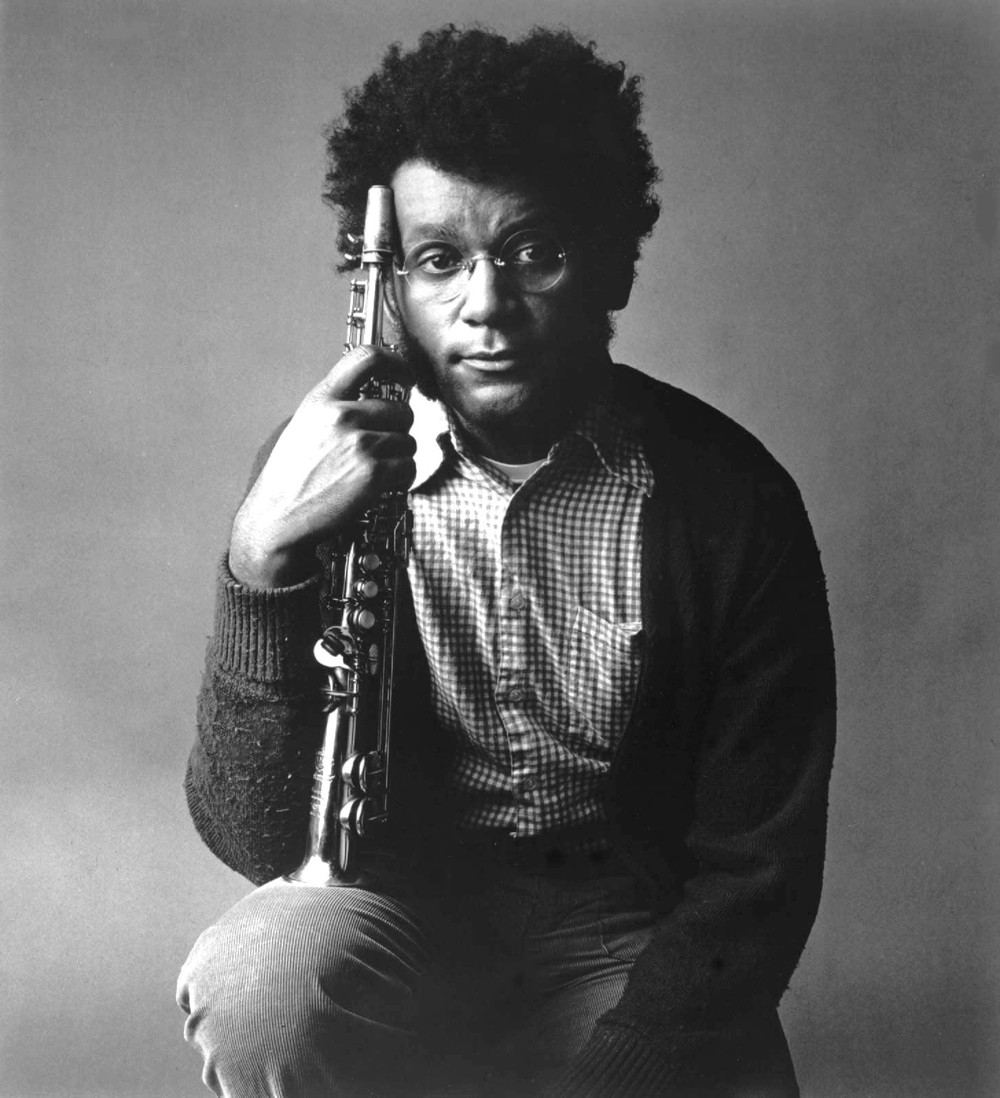
Anthony Braxton
Jazz
Modern Creative
Free Improvisation
1
/5
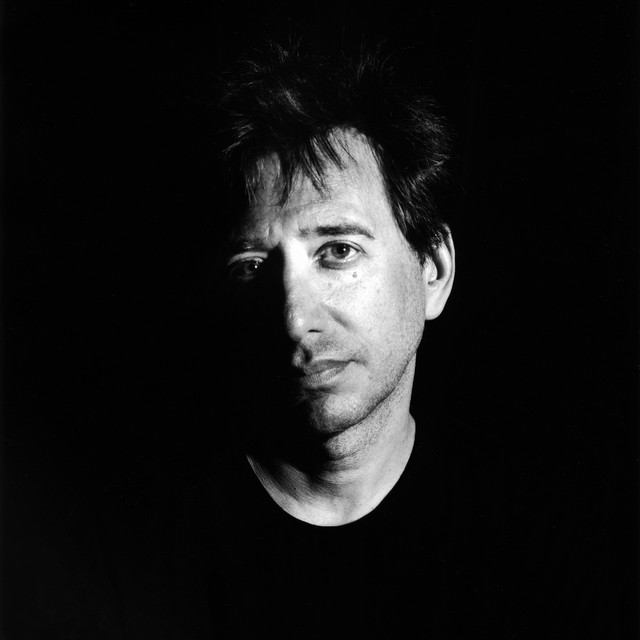
John Zorn
Avant-Garde Jazz
Free Improvisation
Jazz
1
/5
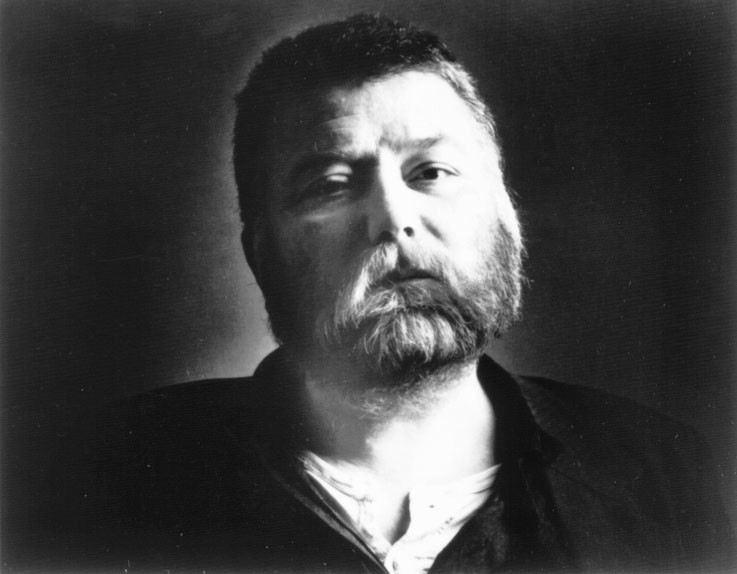
Peter Brötzmann
Free Jazz
Free Improvisation
European Free Jazz
Download our mobile app
Get the Melodigging app and start digging for new genres on the go
Download on the App Store
Get it on Google Play
© 2026 Melodigging
Give feedback
Legal
Melodding was created as a tribute to
Every Noise at Once
, which inspired us to help curious minds keep digging into music's ever-evolving genres.