Genres
Make Music
Artists
Albums
Challenges
Sign in
Sign in
Albums
By Toshiyuki Tsuchitori 土取利行
Albums
By Toshiyuki Tsuchitori 土取利行
The Sounds of Prehistoric Painted Cave: Playing in the Cave of Cougnac, France 瞑響・壁画洞窟: 旧石器時代のクロマニョン・サウンズ
July 23, 2008
Listen
1
/5
Genres
Free Improvisation
Free improvisation is a practice of spontaneous music-making that avoids fixed idioms, stylistic templates, and pre-agreed structures. Musicians prioritize listening, interaction, and the exploration of sound itself—timbre, texture, dynamics, and silence—over conventional melody, harmony, or pulse. Guitarist Derek Bailey popularized the notion of "non-idiomatic improvisation," describing a music that deliberately resists falling into recognizable genre habits. While often overlapping with free jazz and contemporary classical experimentalism, free improvisation is not confined to either. It welcomes any instrument or sound source—acoustic, electronic, or everyday objects—and frequently uses extended techniques, feedback, and unconventional performance gestures. Performances can range from whisper-quiet, pointillistic interplay to ferocious, high-energy noise, with the ensemble shaping form in real time through attention and constraint.
Discover
Listen
Jazz
Jazz is an improvisation-centered music tradition that emerged from African American communities in the early 20th century. It blends blues feeling, ragtime syncopation, European harmonic practice, and brass band instrumentation into a flexible, conversational art. Defining features include swing rhythm (a triplet-based pulse), call-and-response phrasing, blue notes, and extended harmonies built on 7ths, 9ths, 11ths, and 13ths. Jazz is as much a way of making music—spontaneous interaction, variation, and personal sound—as it is a set of forms and tunes. Across its history, jazz has continually hybridized, from New Orleans ensembles and big-band swing to bebop, cool and hard bop, modal and free jazz, fusion, and contemporary cross-genre experiments. Its influence permeates global popular and art music.
Discover
Listen
Prehistoric Music
Prehistoric music refers to all musical activity that predates writing systems and recorded history. It encompasses the sounds, instruments, and performance practices of Paleolithic, Mesolithic, and Neolithic peoples long before formal musical notation or named composers existed. Rather than fixed repertoires, prehistoric music was a living practice tied to daily life, ritual, and environment. Voices, bone flutes, shell horns, drums, rattles, clapped stones (lithophones), and resonant caves functioned as both instruments and acoustic spaces. Its organization was likely cyclic and participatory, favoring pulse-driven rhythms, drones, call-and-response, and heterophony over harmonies and chords. Archaeological finds such as Aurignacian bone flutes in the Swabian Jura (Germany), the controversial Divje Babe artifact (Slovenia), and Jiahu flutes (China) attest to a wide geographic spread and deep antiquity. While unknowable in detail, prehistoric music laid the groundwork for the world’s ancient musical traditions.
Discover
Listen
Similar albums
2008
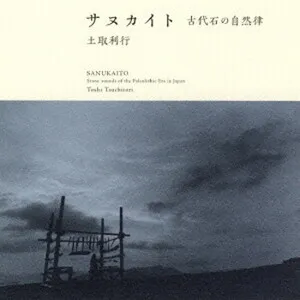
Sanukaito: Stone Sounds of the Paleolithic Era in Japan サヌカイト: 古代石の自然律
Toshiyuki Tsuchitori 土取利行
1968
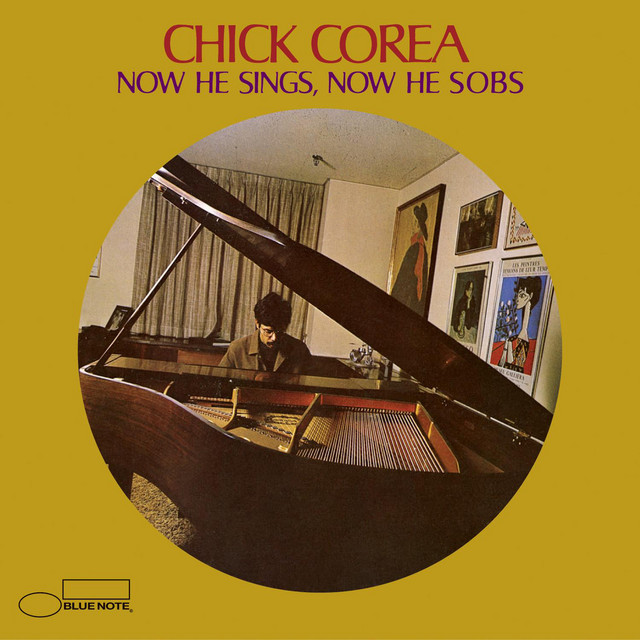
Now He Sings, Now He Sobs
Chick Corea
2002
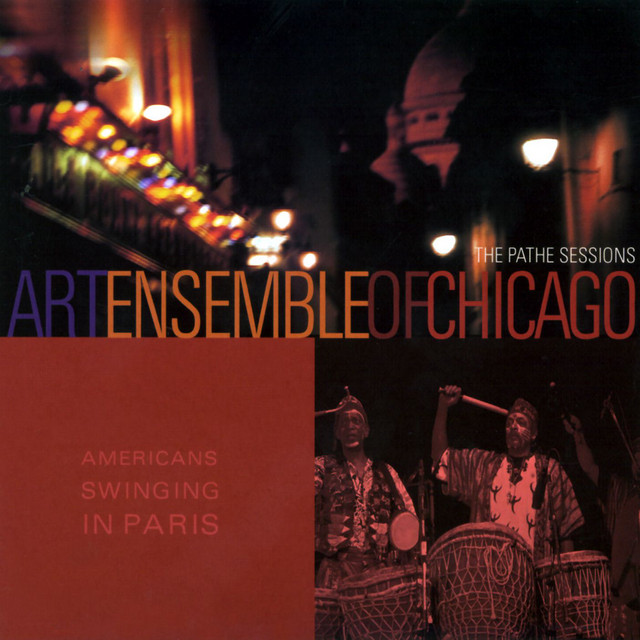
People in Sorrow
Art Ensemble of Chicago
1975
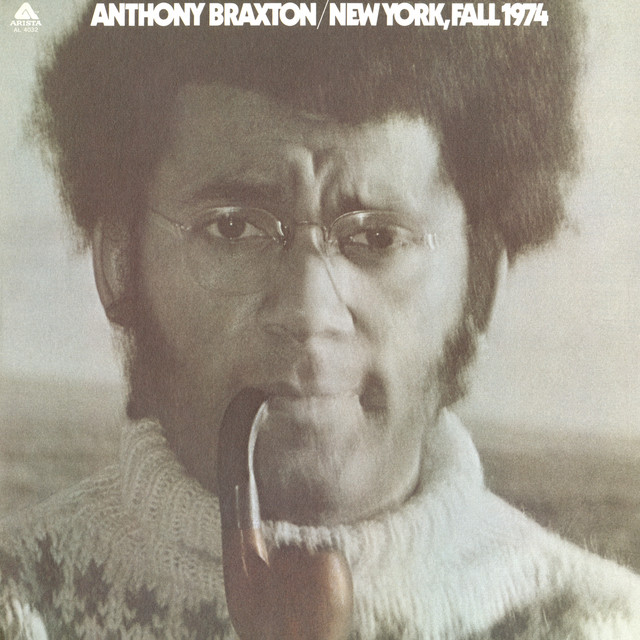
New York, Fall 1974
Anthony Braxton
2000
For Alto
Anthony Braxton
1985
The Third Decade
Art Ensemble Of Chicago
1979
Nice Guys
Art Ensemble of Chicago
2003
6
Supersilent
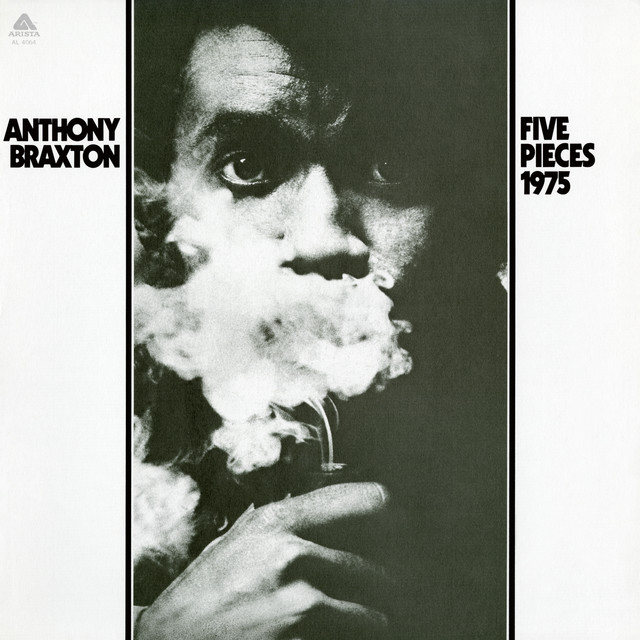
1975
Five Pieces 1975
Anthony Braxton
1974
Fanfare for the Warriors
The Art Ensemble of Chicago
Download our mobile app
Get the Melodigging app and start digging for new genres on the go
Download on the App Store
Get it on Google Play
© 2026 Melodigging
Give feedback
Legal
Melodding was created as a tribute to
Every Noise at Once
, which inspired us to help curious minds keep digging into music's ever-evolving genres.