Genres
Make Music
Artists
Albums
Challenges
Sign in
Sign in
Albums
By Evil Nine
Albums
By Evil Nine
You Can Be Special Too: An Album
2004
Listen
1
/5
Genres
Nu Skool Breaks
Nu skool breaks (often shortened to "nu breaks") is a late-1990s/early-2000s evolution of breakbeat that emphasizes tight, futuristic sound design, heavy sub-bass, and punchy, syncopated drum programming. Compared to big beat’s sample-heavy, rock-influenced swagger, nu skool breaks is cleaner, more club-focused, and more tech-driven. Tracks typically run around 125–135 BPM, feature rolling breakbeats and crisp percussion, and blend influences from techno, electro, house, hip hop, and Miami/Florida breaks. The result is dancefloor-primed music with a strong low-end, sculpted midrange, and sleek, modern aesthetics. Key labels and nights—such as Marine Parade, Finger Lickin’, TCR (Thursday Club Recordings), and Botchit & Scarper—helped codify the sound and push it globally during its peak in the early 2000s.
Discover
Listen
Breaks
Breaks is a broad electronic dance music style built around syncopated breakbeat drum patterns instead of a straight four-on-the-floor kick. It emphasizes sliced, rearranged, and layered drum breaks—often sampled from classic funk, hip hop, and early electro—combined with heavy sub-bass and club-ready arrangements. As a scene and label category, “breaks” crystallized in the UK in the late 1990s out of the rave continuum, alongside big beat and later “nu skool breaks.” While tempos usually range from roughly 125–140 BPM, the defining trait is the swung, shuffling, and fragmented rhythm that drives dancers with push–pull groove rather than rigid grid-based kicks. Breaks spans a spectrum from funky, party-oriented tracks to darker, techy, bass-heavy material (often called tech breaks). Across its variants, it remains DJ-friendly, sample-savvy, and grounded in the art of drum manipulation.
Discover
Listen
Breakbeat
Breakbeat is a broad branch of electronic music defined by its use of broken, syncopated drum patterns ("breakbeats") rather than straight four-on-the-floor rhythms. Producers typically build tracks from looped and chopped drum breaks—often sampled from vintage funk, jazz, and R&B recordings—layered with basslines, synths, and effects. As both a production technique and a stylistic umbrella, breakbeat underpins and intersects with many scenes: from old‑school hip‑hop turntablism and electro to the UK rave continuum (breakbeat hardcore, big beat, Florida breaks) and onward to garage-derived styles. While not synonymous with jungle and drum & bass, the same culture of sampling and chopping classic breaks (e.g., the Amen break) helped inform those genres as well.
Discover
Listen
Rock
Rock is a broad family of popular music centered on amplified instruments, a strong backbeat, and song forms that foreground riffs, choruses, and anthemic hooks. Emerging from mid‑20th‑century American styles like rhythm & blues, country, and gospel-inflected rock and roll, rock quickly expanded in scope—absorbing folk, blues, and psychedelic ideas—while shaping global youth culture. Core sonic markers include electric guitar (often overdriven), electric bass, drum kit emphasizing beats 2 and 4, and emotive lead vocals. Rock songs commonly use verse–chorus structures, blues-derived harmony, and memorable melodic motifs, ranging from intimate ballads to high‑energy, stadium‑sized performances.
Discover
Listen
Similar albums
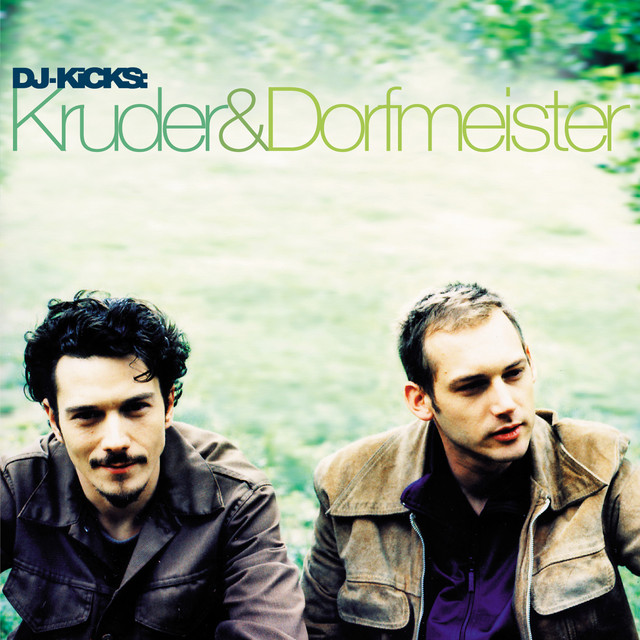
1996
DJ-Kicks
The Herbaliser
2003
Eargasm
Plump DJs
2007
Paranoid Prophets
Ils
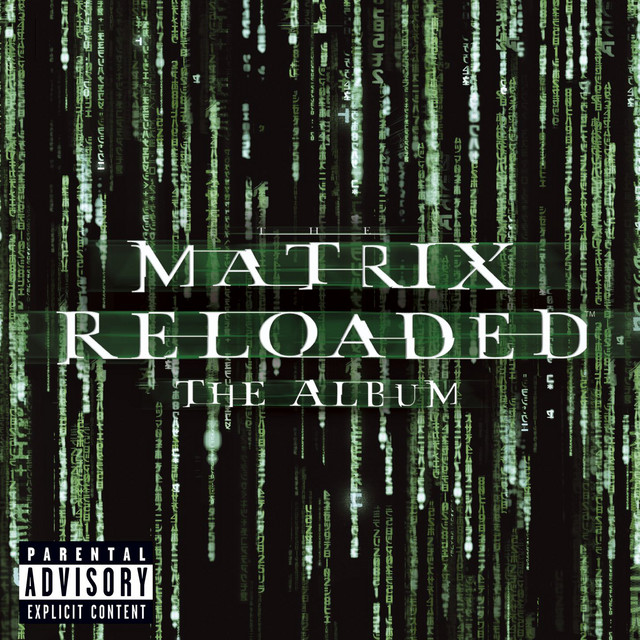
2009
The Matrix Reloaded: The Album
Rob Dougan
2004
Legion of Boom
The Crystal Method
2001
Loud
Timo Maas
2015
Barracuda
Noisestorm
2023
Human
Nitepunk
1990
Cure for Sanity
Pop Will Eat Itself
1999
Wide Angle
Hybrid
Download our mobile app
Get the Melodigging app and start digging for new genres on the go
Download on the App Store
Get it on Google Play
© 2026 Melodigging
Give feedback
Legal
Melodding was created as a tribute to
Every Noise at Once
, which inspired us to help curious minds keep digging into music's ever-evolving genres.