Genres
Make Music
Artists
Albums
Challenges
Sign in
Sign in
Albums
By Lars Hollmer
Albums
By Lars Hollmer
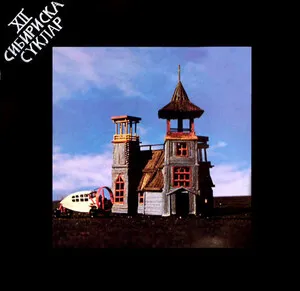
XII Sibiriska Cyklar
March 20, 1981
Listen
1
/5
Genres
Experimental
Experimental music is an umbrella term for practices that prioritize exploration, process, and discovery over adherence to established genre norms. It embraces new sound sources, nonstandard tuning systems, indeterminacy and chance operations, graphic and open-form scores, extended techniques, and technology-led sound design (tape, electronics, computers, and live processing). Rather than a single style, it is a methodology and ethos: testing hypotheses about sound, structure, and performance, often blurring boundaries between composition, improvisation, sound art, and performance art. Listeners can expect unfamiliar timbres, unusual forms, and an emphasis on how music is made as much as the resulting sound.
Discover
Listen
Rock
Rock is a broad family of popular music centered on amplified instruments, a strong backbeat, and song forms that foreground riffs, choruses, and anthemic hooks. Emerging from mid‑20th‑century American styles like rhythm & blues, country, and gospel-inflected rock and roll, rock quickly expanded in scope—absorbing folk, blues, and psychedelic ideas—while shaping global youth culture. Core sonic markers include electric guitar (often overdriven), electric bass, drum kit emphasizing beats 2 and 4, and emotive lead vocals. Rock songs commonly use verse–chorus structures, blues-derived harmony, and memorable melodic motifs, ranging from intimate ballads to high‑energy, stadium‑sized performances.
Discover
Listen
Folk
Folk is a song-centered acoustic tradition rooted in community storytelling, everyday life, and social history. It emphasizes clear melodies, simple harmonies, and lyrics that foreground narrative, protest, and personal testimony. As a modern recorded genre, folk coalesced in the early-to-mid 20th century in the United States out of older ballad, work song, and rural dance traditions. It typically features acoustic instruments (guitar, banjo, fiddle, mandolin, harmonica), strophic song forms, and participatory singing (choruses, call-and-response).
Discover
Listen
Swedish Folk Music
Swedish folk music is the traditional music of Sweden, centered on regional dance tunes, herding calls, and narrative songs preserved by rural spelmän (folk fiddlers) and singers. Its core sound features fiddles and the nyckelharpa (a keyed fiddle), often played solo or in tight duet, with drones, double-stops, and subtle ornamentation. The repertoire is dominated by dance forms such as the polska (an asymmetrical triple-time dance), schottis, polka, hambo, waltz, and gånglåt ("walking tune"). Vocal traditions include visor (ballads) and kulning (high, piercing cattle-calls from summer pasture culture). Melodically it favors modal colors (Dorian, Mixolydian, hexatonic variants) and a distinctive lilt and swing, especially in polska rhythms. Regional styles from Dalarna, Hälsingland, Uppland, and Jämtland are especially renowned, each with characteristic bowing, phrasing, and ornamentation. While much of the tradition is centuries old, a 20th‑century revival professionalized performance and pedagogy, bringing Swedish folk music to concert stages while maintaining strong links to community dances and spelmansstämma gatherings.
Discover
Listen
Similar albums
2017
Hiss Spun
Chelsea Wolfe
2017
A Crow Looked at Me
Mount Eerie
2003
Mount Eerie
The Microphones
1991
Oi dai
Värttinä
2012
Night Coercion Into the Company of Witches
Natural Snow Buildings
1996
Guds spelemän
Garmarna
1994
Vittrad
Garmarna
2006
Nisht Azoy
Black Ox Orkestar
2019
Rackarspel
Folk & Rackare
1996
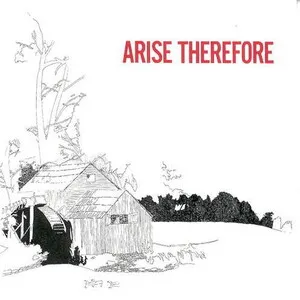
Arise Therefore
Palace Music
Download our mobile app
Get the Melodigging app and start digging for new genres on the go
Download on the App Store
Get it on Google Play
© 2026 Melodigging
Give feedback
Legal
Melodding was created as a tribute to
Every Noise at Once
, which inspired us to help curious minds keep digging into music's ever-evolving genres.