Genres
Make Music
Artists
Albums
Challenges
Sign in
Sign in
Albums
By Al Tall
Albums
By Al Tall
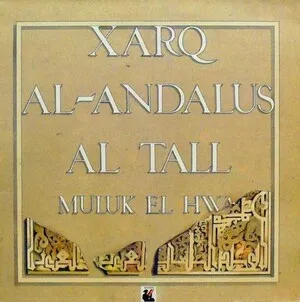
Xarq al-Ándalus
May 17, 1985
Listen
1
/5
Genres
Valencian Folk Music
Valencian folk music refers to the traditional vocal and dance music of the Valencian Country (eastern Spain), encompassing street-processional repertoires for dolçaina (shawm) and tabal (tabor), village rondalla string ensembles, and ornate solo song forms such as cant d'estil and albaes. It features lively dance genres (jota, dansà, fandango variants), solemn processional pieces linked to guilds, human-tower rites (muixeranga), and festive cycles (Falles, street dances). Melodically it is often modal (Dorian, Mixolydian, Phrygian inflections), rhythmically driven by duple-step dances and brisk triple-time jotas, and textually rooted in the Valencian language, with themes ranging from love and satire to historical memory. While its roots are medieval and early modern, the repertoire was systematized and brought to recordings during the 1970s folk revival, which fused archival research and field collecting with contemporary arrangements.
Discover
Listen
Catalan Folk Music
Catalan folk music encompasses the traditional songs, dances, and instrumental practices of Catalonia and the wider Catalan-speaking world. It is best known for the sardana circle dance accompanied by the distinctive cobla wind ensemble, as well as seafaring havaneres sung along the coast. The idiom blends medieval and rural song traditions with 19th‑century codification and urban revival. It features modal, diatonic melodies; lively dance rhythms; and a strong social dimension in communal dancing, festivals, and choral singing. Characteristic instruments include the tenora and tible (Catalan shawms), flabiol i tamborí (pipe and tabor), gralla, sac de gemecs (bagpipe), accordion, guitar, and the full cobla instrumentation with brass and double bass. Across regions and repertoires—from sardanes and jotes ebrencs to work songs, goigs, caramelles, and tavern-style havaneres—Catalan folk music remains a living, participatory tradition closely tied to local identity and public celebration.
Discover
Listen
Andalusian Folk Music
Andalusian folk music is the traditional music of Andalusia in southern Spain, closely associated with regional song, dance, and especially the cultural world that gave rise to flamenco. It draws on a long historical mix of Iberian, Romani, Moorish-Andalusi, Sephardic Jewish, and broader Mediterranean influences, but in its better-known modern form it is most strongly identified with music and dance traditions developed from the 18th century onward in Andalusia. The genre is marked by expressive singing, modal melodic language, rich ornamentation, flexible rhythm, handclaps, guitar accompaniment, and strong links to dance. In many contexts, "Andalusian folk music" refers to the wider traditional musical environment of Andalusia from which flamenco emerged and within which forms such as fandangos, seguidillas, saetas, sevillanas, and other regional styles have circulated. As reflected in the supplied external description, it is especially connected with the flamenco traditions of Andalusia and with the Romani communities of the region, known locally as gitanos, who played a major role in shaping its post-18th-century development.
Discover
Listen
Similar albums
2002
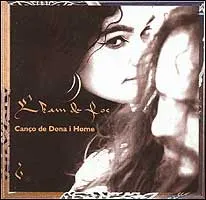
Cançó de dona i home
L' Ham de Foc
1999
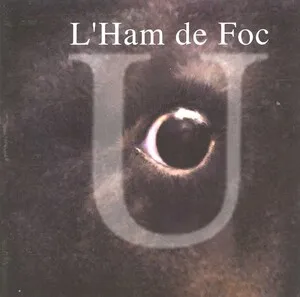
U
L' Ham de Foc
2005
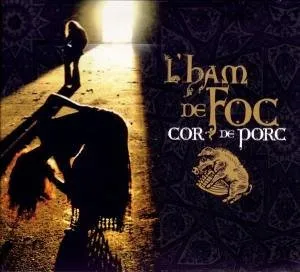
Cor de porc
L' Ham de Foc
1982
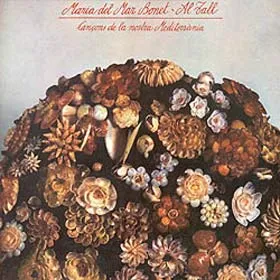
Cançons de la nostra Mediterrània
Maria del Mar Bonet & Al Tall
1979
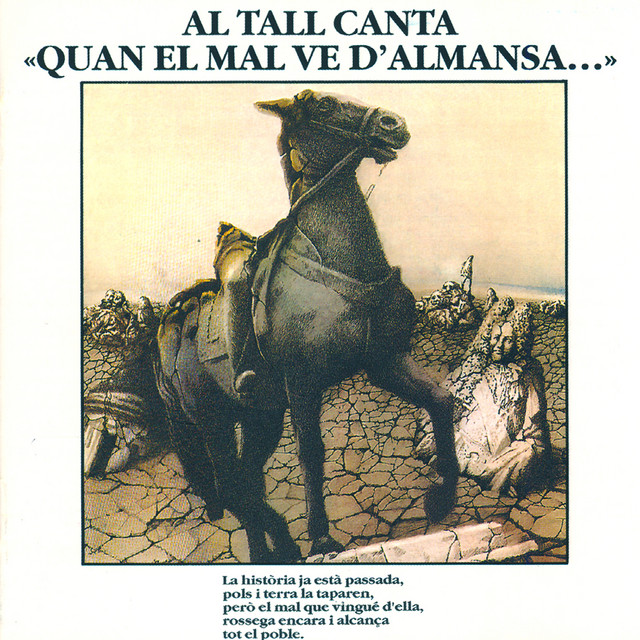
Quan el mal ve d'Almansa...
Al Tall
1997
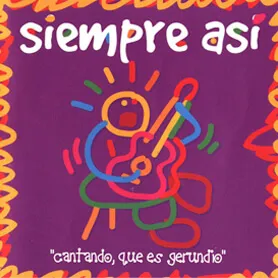
Cantando, que es gerundio
Siempre Así
2001
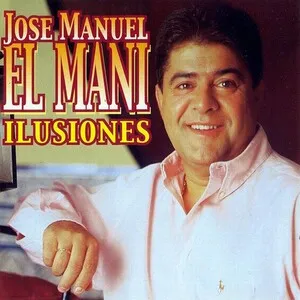
Ilusiones
El Mani
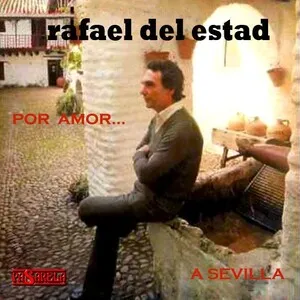
1985
Por Amor... a Sevilla
Rafael del Estad
2020
A trenc d'alba
Marala
2023
Ja ve l'aire
Pep Gimeno 'Botifarra'
Download our mobile app
Get the Melodigging app and start digging for new genres on the go
Download on the App Store
Get it on Google Play
© 2026 Melodigging
Give feedback
Legal
Melodding was created as a tribute to
Every Noise at Once
, which inspired us to help curious minds keep digging into music's ever-evolving genres.