Genres
Make Music
Artists
Albums
Challenges
Sign in
Sign in
Albums
By Yansımalar
Albums
By Yansımalar
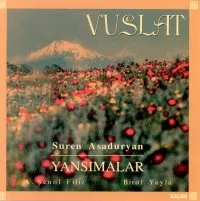
Vuslat
April 11, 2001
Listen
2
/5
Genres
Armenian Folk Music
Armenian folk music is the traditional music of the Armenian people, traceable to antiquity and preserved through rich regional styles. It is unified by shared modal systems, vocal ornaments, and poetic song forms that give it a distinctive Armenian character despite local dialects and variants. Typical instruments include the duduk (double‑reed apricot wood oboe), the kamancha/kemenche (spike fiddle), the oud (fretless lute), the zurna and dhol (outdoor shawm and drum pair), the shvi/blul (duct flutes), the kanun (plucked zither), and the tar. Vocal genres range from work songs (horovel) and laments to epic and love ballads associated with the ashugh (bardic) tradition, alongside lively line dances such as kochari, shalakho, and tamzara. In sound and structure it is closely related to other Caucasian and West Asian traditions, sharing melodic types, asymmetric rhythms (e.g., 5/8, 7/8, 9/8), and ornamentation with Georgia, Azerbaijan, and eastern Anatolia, yet retaining unmistakable Armenian melodic turns and cadences.
Discover
Listen
Turkish Classical
Turkish classical (Ottoman/Turkish art music) is a refined modal art tradition centered on the makam (scale/melodic behavior) system and cyclical rhythms called usul. It developed in the Ottoman court, Mevlevi lodges, and urban salons, using an intimate chamber instrumentation (ney, tanbur, ud, kemençe, kanun, keman) and highly ornamented vocal lines. Compositions follow characteristic forms such as peşrev and saz semaisi (instrumental), as well as vocal forms like beste, kar, semai, yürük semai, and the later şarkı. Improvisation (taksim) introduces and connects sections, exploring the seyir (melodic path) of the chosen makam with nuanced microtonal inflections. Its aesthetic emphasizes subtle emotion, controlled ornamentation, and measured development, with repertoire spanning sacred (Mevlevi ayin) and secular works. The tradition balances composed structure and spontaneous improvisation, cultivated through the meşk (master–apprentice) pedagogy.
Discover
Listen
Turkish Mevlevi Music
Turkish Mevlevi music is the sacred repertoire of the Mevlevi (whirling dervish) Sufi order founded in the milieu of Jalāl al-Dīn Rūmī in Anatolia. It is a modal, monophonic, and highly ornamented tradition performed for the Sema ceremony, where music, poetry, and ritual movement converge to induce remembrance of the divine. The core large-scale form is the Ayîn-i Şerîf (Mevlevi ayin), a multi-movement work in a specific makam (mode) and usul (cycle), typically for voice and a chamber ensemble centered on the ney (end-blown reed flute), with kudüm (kettledrums), tanbur, kemençe, kanun, and occasionally rebab and ud. The ayin unfolds through four selâms (sections) that guide the spiritual progression of the rite. Improvisation (taksim), refined intonation of makam microtones, and the poetic texts of Rūmī and later Mevlevi authors are hallmarks of the style.
Discover
Listen
Islamic Religious Music & Recitation
Islamic religious music and recitation encompasses the sacred vocal arts of Islam, centered on Qur'an recitation (tilāwah/tajwīd), the call to prayer (adhān), devotional chant (dhikr), praise poetry (madīh, na‘t), and paraliturgical song traditions such as nasheed, qasidah, and Sufi samā‘. While many Muslims distinguish Qur'anic recitation from "music" and regard it as a unique sacred art bound by rules of tajwīd and pious intent, its sound-world overlaps with regional musical systems (especially the Arabic maqām tradition) through modal nuance, melisma, and ornamentation. Across regions, the genre ranges from unaccompanied, metrically free recitation and adhān, to percussion-accompanied nasheed, and to more elaborate Sufi traditions (e.g., qawwali) with call-and-response, rhythmic cycles, and ecstatic crescendos—all unified by devotional texts, ethical themes, and reverence for the divine.
Discover
Listen
Similar albums
2004
Himma
Sufi Music Ensemble
1994
Whirling
Omar Faruk Tekbilek
2004
Pervane
Yansımalar
2000
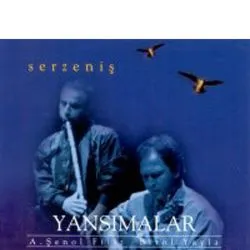
Serzeniş
Yansımalar
1994
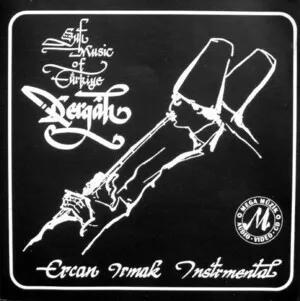
Dergâh
Ercan Irmak
1995
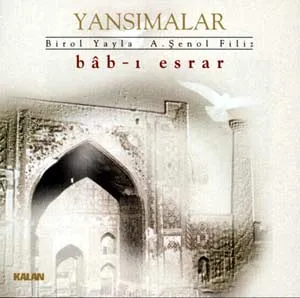
Bab-ı Esrar
Yansımalar
2006
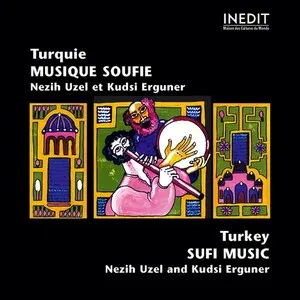
Turquie : Musique Soufie (Turkey: Sufi Music)
Nezih Uzel & Kudsi Erguner
2000
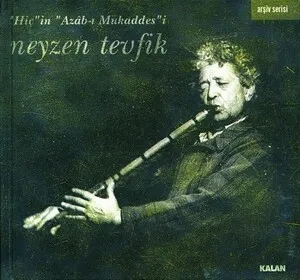
"Hiç" in "Azâb-ı Mukaddes" i
Neyzen Tevfik
2005
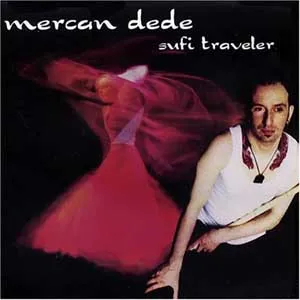
Sufi Traveler
Mercan Dede
1997
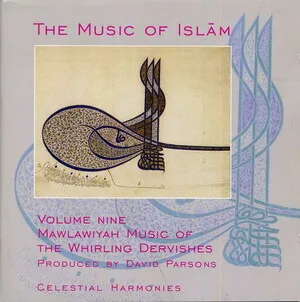
The Music of Islām: Volume Nine - Mawlawiyah Music of the Whirling Dervishes
Galata Mevlevi Music & Sema Ensemble
Download our mobile app
Get the Melodigging app and start digging for new genres on the go
Download on the App Store
Get it on Google Play
© 2026 Melodigging
Give feedback
Legal
Melodding was created as a tribute to
Every Noise at Once
, which inspired us to help curious minds keep digging into music's ever-evolving genres.