Genres
Artists
Albums
Make Music
Sign in
Sign in
Albums
By Bob Joe
Albums
By Bob Joe
Vaqueiro solitário
Listen
Genres
Moda De Viola
Moda de viola is a traditional Brazilian rural song style centered on the viola caipira, a 10‑string double‑coursed guitar. It is typically performed by vocal duos (duplas), singing in close parallel harmony—often in thirds—over arpeggiated or gently strummed viola accompaniments. The songs are narrative and reflective, evoking countryside life, devotion, love, longing (saudade), and moral tales. Tempos are generally slow to medium, with 2/4, 3/4, or 6/8 feels, and harmonies remain largely diatonic, prioritizing expressive melody and storytelling over harmonic complexity. While it overlaps with broader sertanejo traditions, moda de viola preserves an older, acoustic, and pastoral aesthetic tied to Brazil’s interior.
Discover
Listen
Country Yodeling
Country yodeling is a vocal-centric branch of early country and western music that spotlights rapid flips between chest voice and head voice to create the unmistakable "yodel" break. It merges the Alpine yodeling technique with American rural song forms, cowboy ballads, and country blues harmonies. The style is defined by clear, ringing tones, wide interval leaps (often sixths and octaves), and syllabic vocables such as “yo-de-lay-ee-o.” It commonly rides atop acoustic guitar strums, fiddle lines, steel guitar swells, and upright bass, with tempos ranging from lilting waltzes to two-step and medium 4/4. Lyrically, it leans on frontier imagery, open skies, lonesome travel, and romantic yearning, often placing yodeled refrains as hooks or emotional climaxes within otherwise straightforward country forms.
Discover
Listen
Sertanejo Raiz
Sertanejo raiz (also called música caipira) is the traditional, rural form of Brazilian country music that crystallized in the countryside of São Paulo, Minas Gerais, Goiás, and neighboring states. It is typically performed by vocal duos singing in parallel thirds (as chamadas "terças caipiras") accompanied by viola caipira (a 10‑string, 5‑course guitar) and violão (6‑string acoustic guitar), with occasional accordion and handclaps. Its core song types include moda de viola (narrative ballads), toada, cururu, cateretê/catira (with foot‑stomping and clapping), and xote/schottische, reflecting Iberian and European dance roots blended with Brazilian rural poetics. Harmonies are simple (mostly I–IV–V with few extensions), melodies are singable and diatonic, and the lyrics dwell on nature, faith, love, friendship, roads and cattle‑drives, and especially saudade (nostalgic longing) for the countryside.
Discover
Listen
Sertanejo
Sertanejo is Brazil’s homegrown counterpart to country music, rooted in the rural song traditions of the country’s interior (música caipira) and later modernized for urban radio and arenas. Its core sound revolves around close-harmony duos, storytelling lyrics about love, longing, and countryside life, and the distinctive timbre of the viola caipira (10‑string Brazilian guitar) alongside acoustic guitar, accordion, and, in contemporary productions, full rhythm sections and pop‑leaning arrangements. Across a century, sertanejo evolved through several waves: the narrative, acoustic sertanejo raiz; the polished, romantic duos that conquered national television and FM radio; and the 2000s/2010s universitário movement that fused pop, rock, and electronic textures. Today it is one of Brazil’s most commercially dominant genres, spawning numerous substyles and crossovers while retaining its identity of heartfelt vocal harmonies and sing‑along choruses.
Discover
Listen
Yodeling
Yodeling is a vocal technique and repertory defined by rapid and intentional alternation between chest voice and head voice (falsetto), producing audible register breaks on open vowels. Rooted most famously in the rural Alps, it functioned historically as long‑distance herding calls and community signals across mountains and valleys. Closely related practices appear in multiple cultures worldwide (e.g., Central African forest singing, Scandinavian cattle calls), underscoring yodeling’s role as a practical form of vocal communication as much as a musical idiom. Across the 19th and 20th centuries, yodeling moved from pasture and village dances into stage entertainment, commercial folk music, and North American country and western traditions, where it became a signature expressive device (“blue yodels,” cowboy yodels) and a symbol of pastoral nostalgia.
Discover
Listen
Similar albums
Hide discovered
1994
Na Beira da Tuia
Tonico e Tinoco
1985
Instrumental
Almir Sater
2008
A Fantástica Viola de Renato Andrade
Renato Andrade
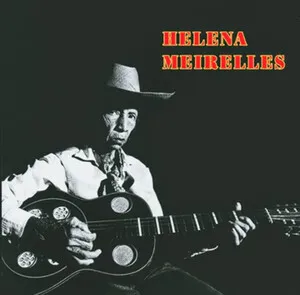
1994
Helena Meirelles
Helena Meirelles
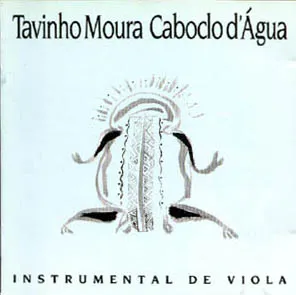
1993
Caboclo d'água
Tavinho Moura
1997
Caminhos me levem
Almir Sater
Sucessos Cowboy
Bob Joe
O homem do madeiro
William Senna
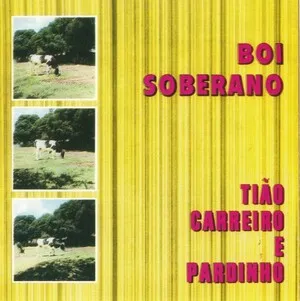
1966
Boi soberano
Tião Carreiro & Pardinho
1989
Rasta Bonito
Almir Sater
Download our mobile app
Get the Melodigging app and start digging for new genres on the go
Download on the App Store
Get it on Google Play
© 2026 Melodigging
Give feedback
About & FAQ
Legal
Melodding was created as a tribute to
Every Noise at Once
, which inspired us to help curious minds keep digging into music's ever-evolving genres.