Genres
Make Music
Artists
Albums
Challenges
Sign in
Sign in
Albums
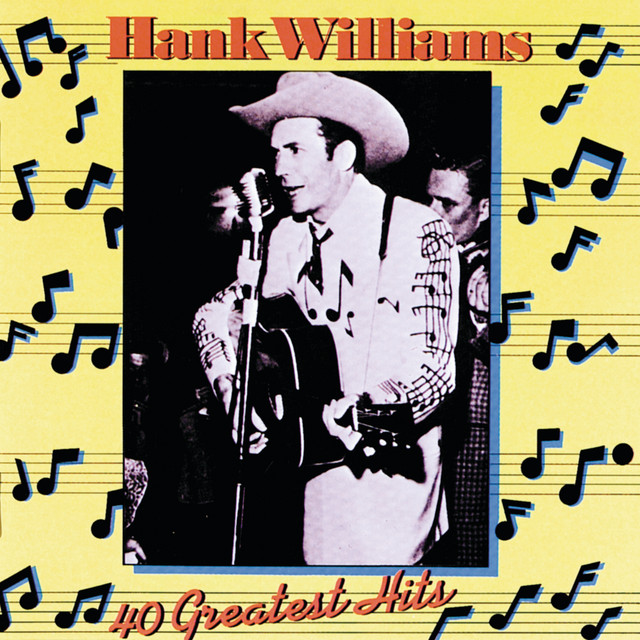
By Hank Williams
Albums
By Hank Williams
40 Greatest Hits
January 1, 1978
Listen
3
/5
Genres
Honky Tonk
Honky tonk is a hard-edged, barroom strain of country music built for noisy dancehalls and roadside beer joints. It emphasizes a strong backbeat, simple I–IV–V harmony, and vivid storytelling about heartbreak, drinking, cheating, and working-class life. Sonically, it features twangy electric (often Telecaster) guitar, crying pedal steel or lap steel, fiddle, pounding honky-tonk piano with boogie-woogie figures, upright or electric bass, and a steady shuffle or two-step drum groove. Vocals are direct and emotive, often with a nasal twang and blue-note inflections, designed to cut through a lively room. Amplification and a danceable feel are central, reflecting its origins in Texas and Oklahoma bars after Prohibition, where musicians needed volume, rhythmic drive, and memorable hooks to reach listeners over clinking glasses and conversation.
Discover
Listen
Western Swing
Western swing is a dance-band hybrid that fuses prewar country string-band music with the rhythmic drive and improvisational language of jazz and swing. Born in Texas and Oklahoma dance halls, it features fiddles and steel guitar up front, a strong rhythm section, and frequent horn parts, producing an exuberant, toe-tapping sound meant for two-steps, shuffles, and waltzes. Unlike most early country styles, western swing embraces extended jazz harmonies, walking bass lines, and instrumental solos, often over 12‑bar blues or 32‑bar AABA song forms. Amplified guitars, non‑pedal steel (later pedal steel), piano, and drums gave the music a powerful, urban polish while keeping a distinctly Western flavor in melodies, repertoire, and themes.
Discover
Listen
Country
Country is a roots-based popular music from the rural American South that blends Anglo-Celtic ballad traditions with African American blues, gospel, and string-band dance music. It is characterized by narrative songwriting, plainspoken vocals with regional twang, and a palette of acoustic and electric instruments such as acoustic guitar, fiddle, banjo, pedal steel, and telecaster guitar. Rhythmically it favors two-step feels, train beats, shuffles, and waltzes, while harmony is largely diatonic (I–IV–V) with occasional country chromaticism and secondary dominants. Across a century, country has evolved through substyles like honky-tonk, the Nashville and Bakersfield sounds, outlaw country, neotraditionalist revivals, pop-country, and country-rap hybrids, but it consistently prioritizes storytelling about everyday life, love, work, faith, place, and identity.
Discover
Listen
Traditional Country
Traditional country is a roots-oriented branch of country music that preserves the acoustic timbres, plainspoken storytelling, and danceable rhythms of early "hillbilly" and honky-tonk styles. It favors fiddles, acoustic and steel guitars, upright bass, and modest percussion, with melodies and harmonies grounded in Anglo-American folk, gospel, and blues. Songs typically revolve around everyday life—love, heartbreak, faith, work, and small-town or rural experience—delivered with an unadorned, emotive vocal style. As a practice and ethos, traditional country resists pop sheen and elaborate production, emphasizing live ensemble interplay, two-step and waltz feels, and concise verse–chorus forms. Its sound is closely associated with the Grand Ole Opry era, barn-dance radio, and mid‑century jukebox honky-tonks.
Discover
Listen
Yodeling
Yodeling is a vocal technique and repertory defined by rapid and intentional alternation between chest voice and head voice (falsetto), producing audible register breaks on open vowels. Rooted most famously in the rural Alps, it functioned historically as long‑distance herding calls and community signals across mountains and valleys. Closely related practices appear in multiple cultures worldwide (e.g., Central African forest singing, Scandinavian cattle calls), underscoring yodeling’s role as a practical form of vocal communication as much as a musical idiom. Across the 19th and 20th centuries, yodeling moved from pasture and village dances into stage entertainment, commercial folk music, and North American country and western traditions, where it became a signature expressive device (“blue yodels,” cowboy yodels) and a symbol of pastoral nostalgia.
Discover
Listen
Similar albums
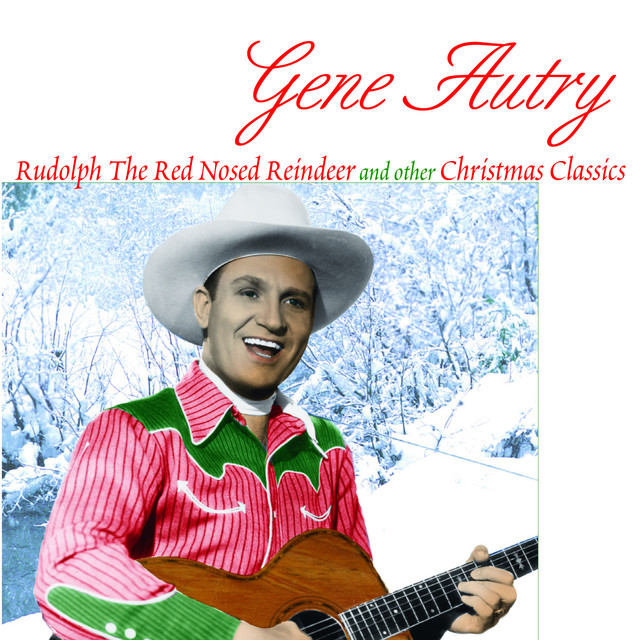
1947
Rudolph The Red Nosed Reindeer And Other Christmas Classics
Gene Autry
1961
Songs Of The Civil War
Tennessee Ernie Ford
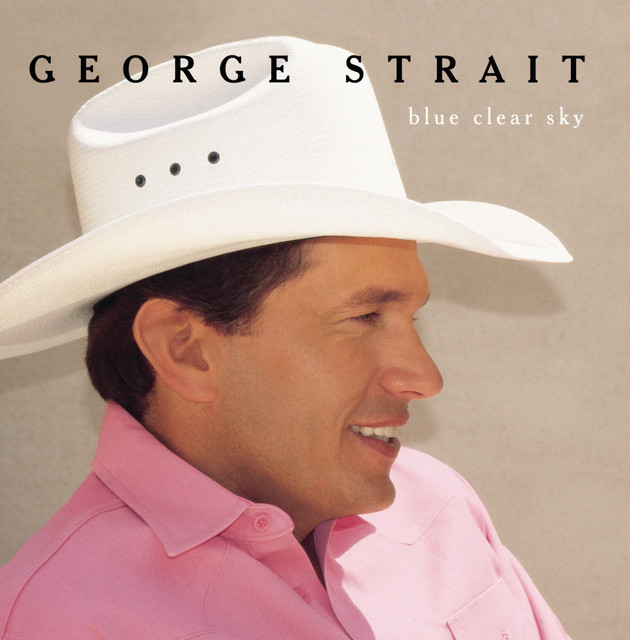
1996
Blue Clear Sky
George Strait
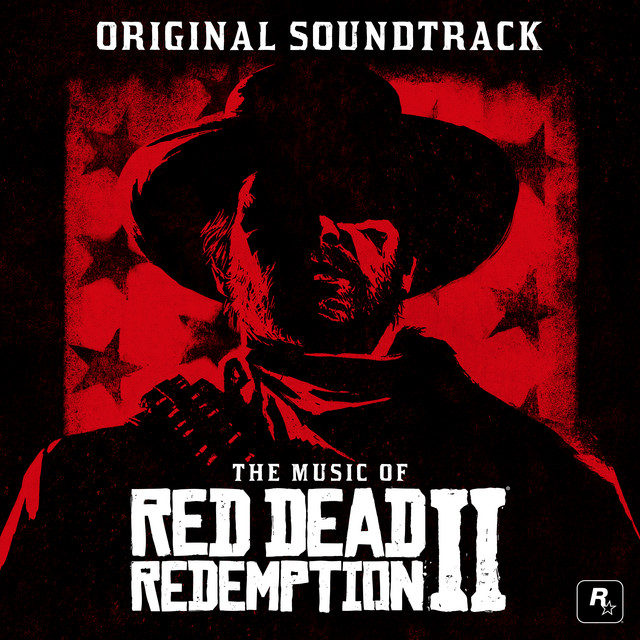
2019
The Music of Red Dead Redemption 2 (Original Soundtrack)
Rhiannon Giddens
2001
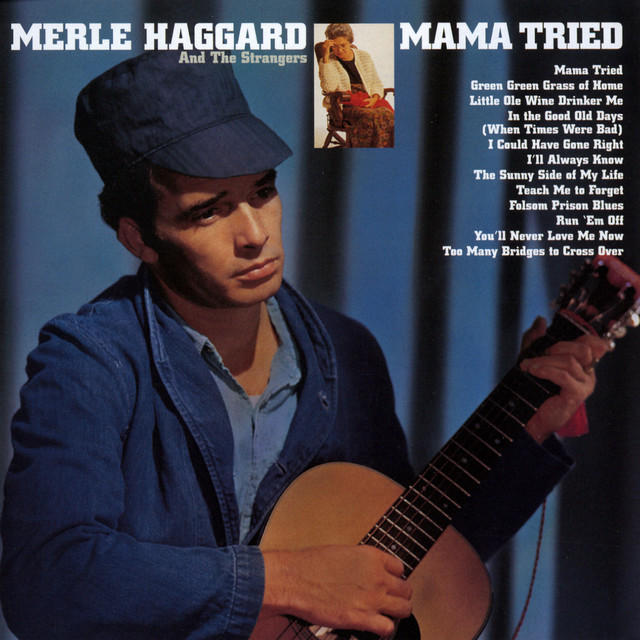
Mama Tried
Merle Haggard / Strangers
1955
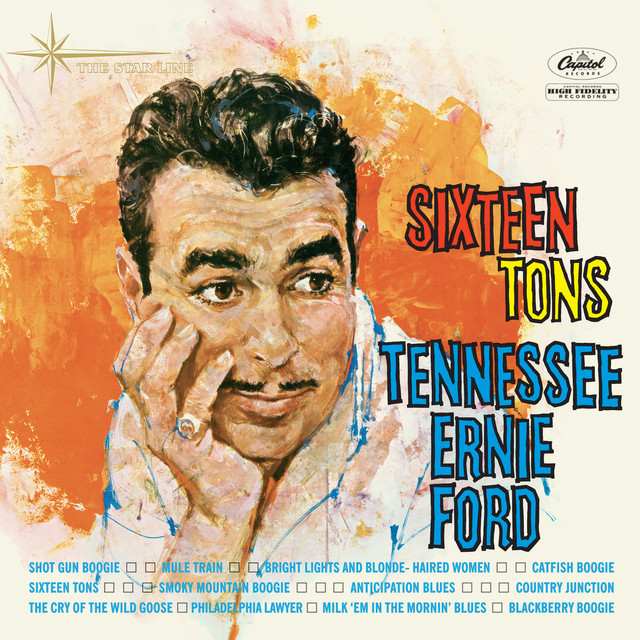
Sixteen Tons
Tennessee Ernie Ford
1987
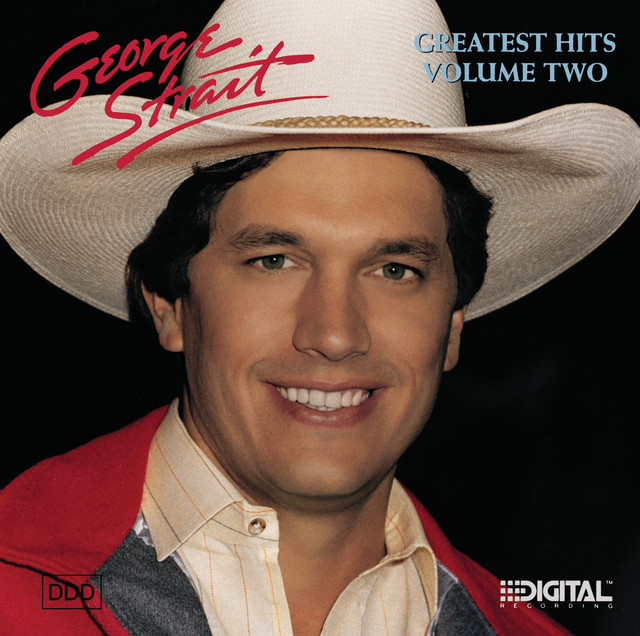
George Strait's Greatest Hits, Volume Two
George Strait
1952
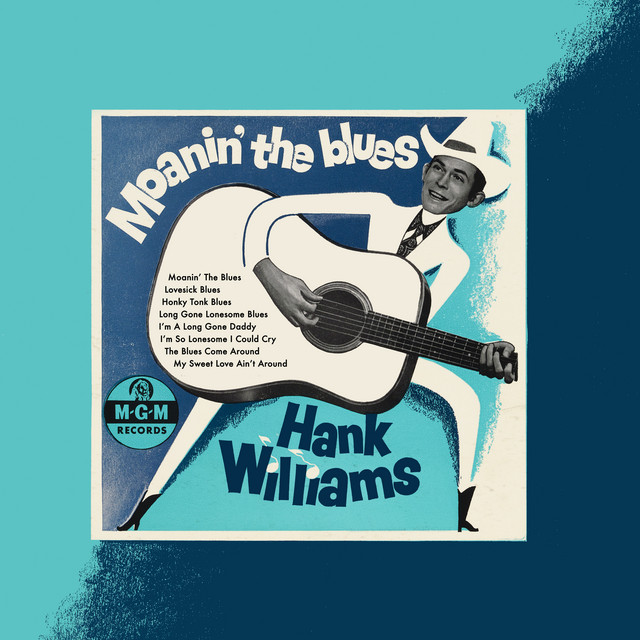
Moanin' The Blues (Expanded Edition)
Hank Williams
2016
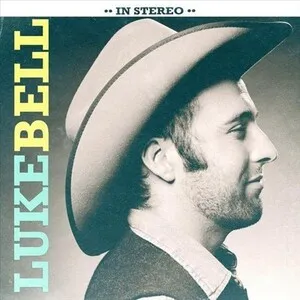
Luke Bell
Luke Bell
2010
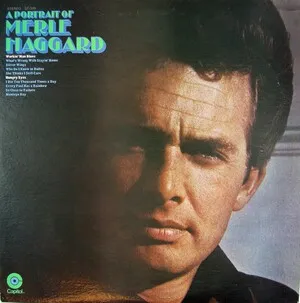
A Portrait of Merle Haggard
Merle Haggard & Strangers
Download our mobile app
Get the Melodigging app and start digging for new genres on the go
Download on the App Store
Get it on Google Play
© 2026 Melodigging
Give feedback
Legal
Melodding was created as a tribute to
Every Noise at Once
, which inspired us to help curious minds keep digging into music's ever-evolving genres.