Genres
Make Music
Artists
Albums
Challenges
Sign in
Sign in
Albums
By Ivete Sangalo
Albums
By Ivete Sangalo
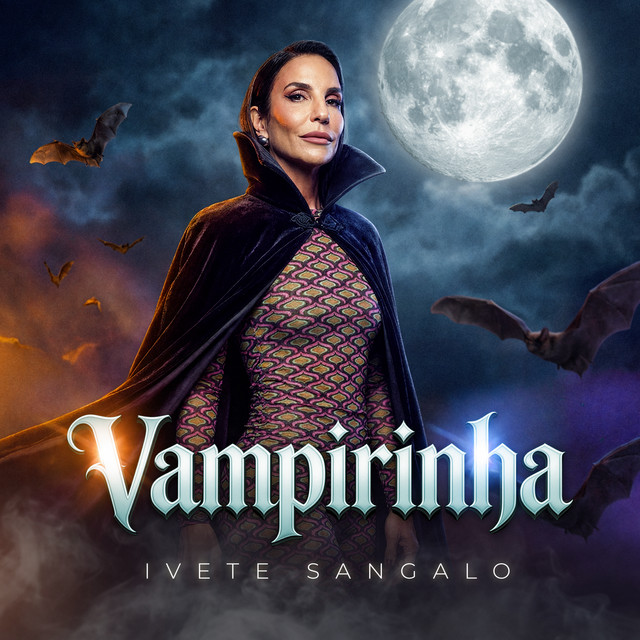
Vampirinha (Ao Vivo)
January 12, 2026
Listen
3
/5
Genres
Arrocha
Arrocha is a romantic, dance-oriented pop style that emerged in the interior of Bahia, Brazil—most notably around Candeias. The name comes from Brazilian Portuguese slang meaning “to hold tight,” which captures the genre’s intimate, slow-to-mid‑tempo embrace on the dance floor. Musically, arrocha blends the sentimental, melodramatic songwriting of brega romântico with rhythmic and timbral touches from Bahia’s axé and the northeastern forró tradition. Smooth synths, electric guitar arpeggios, accordion or keyboard leads, and programmed drums support emotive, melismatic vocals that center on love, longing, jealousy, and reconciliation.
Discover
Listen
Sertanejo Universitário
Sertanejo universitário is a contemporary, pop-leaning evolution of Brazil’s traditional sertanejo that emerged from college party circuits in the mid-2000s. It pairs the genre’s rural storytelling and acoustic roots with glossy, radio-friendly production and catchy pop hooks. Typical arrangements feature acoustic and electric guitars, bass, drums, keyboards/synth pads, and often accordion, with memorable sing‑along choruses and verse–pre‑chorus–chorus structures. Lyrically, themes revolve around love, heartbreak, nightlife, friendship, and youthful social life, reflecting a bridge between rural imagery and urban party culture. The style favors straightforward 4/4 grooves, from romantic mid‑tempos to dance‑floor anthems, and borrows harmonic language and production sheen from international pop and country pop. Its dominance on Brazilian charts in the 2010s made it one of the country’s most influential mainstream sounds.
Discover
Listen
Axé
Axé is a high-energy popular music from Salvador, Bahia, that fuses Afro-Brazilian and Caribbean rhythms with pop and rock songcraft. Designed for massive Carnival parades, it pairs large percussion ensembles with bright electric guitars, brass hooks, and call-and-response vocals to drive dancing crowds along the trio elétrico (truck-mounted sound stages). Grounded in afoxê/ijexá and samba-reggae grooves, axé favors upbeat major-key melodies, anthemic choruses, and lyrics celebrating joy, love, summer, Afro-Bahian pride, and the collective ecstasy of the street party. Its sound is at once percussive and melodic: layered surdos, timbales, repiniques, and atabaques interlock beneath catchy horn lines and pop arrangements built to move tens of thousands of revelers.
Discover
Listen
Samba-Reggae
Samba-reggae is a Bahian Afro-Brazilian percussion-driven style that fuses the propulsive swing of samba with the off-beat lilt of Jamaican reggae. It is performed by large drum ensembles (blocos afro) whose surdos, caixas, repiniques, timbals, and shakers create a massive, syncopated groove. Typically slower than Rio-style samba and aligned to a reggae backbeat, samba-reggae emphasizes collective energy, call-and-response vocals, and choreography. Its sound became a musical emblem of Salvador’s carnival and a vehicle for Black pride, spirituality, and social commentary, later crossing into pop through collaborations with major international artists.
Discover
Listen
Pagode
Pagode is a substyle of Brazilian samba that crystallized in Rio de Janeiro in the late 1970s and became a national phenomenon in the 1980s. The word "pagode" originally meant a backyard party, and the genre reflects that intimate, convivial setting: acoustic instruments clustered around a table, communal singing, call-and-response hooks, and lyrics about love, friendship, bohemian life, and everyday humor. Musically, pagode emphasizes a warm, mid-tempo samba groove driven by hand percussion (pandeiro, repique de mão, tantã) and the bright strum of cavaquinho or banjo-cavaquinho. It favors catchy choruses, tight vocal harmonies (coro de apoio), and short, memorable melodies over virtuosic display. In the 1990s, a smoother, pop-leaning branch—often called pagode romântico—added keyboards, fuller vocal arrangements, and lush production, taking the style to mainstream radio while preserving its samba pulse.
Discover
Listen
Brazilian Pop
Brazilian pop is the mainstream-oriented spectrum of popular music made in Brazil, merging local rhythmic DNA (samba, bossa nova, MPB, axé, forró, sertanejo) with international pop, rock, R&B, and electronic production. Across eras, it has balanced melodic immediacy and radio-friendly structures with the harmonic richness and syncopation characteristic of Brazilian traditions. In the 2010s–2020s, Brazilian pop increasingly incorporates baile funk grooves, trap/R&B textures, and polished EDM elements, while retaining Portuguese lyrics, regional slang, and themes tied to Brazilian daily life, romance, and celebration.
Discover
Listen
Mpb
MPB (Música Popular Brasileira) is a broad Brazilian popular music movement that crystallized in the mid-1960s after bossa nova. It blends samba and other regional rhythms with jazz harmony, singer‑songwriter craft, and elements of contemporary pop and rock. The style is marked by sophisticated melodies, extended harmonies, inventive arrangements, and lyrically rich songs that often use poetry and metaphor. Many classic MPB works balance intimacy (voice and violão/nylon‑string guitar) with lush studio orchestration, drawing from samba‑canção, choro, baião, and frevo while engaging modern influences. Historically, MPB provided a platform for social commentary during Brazil’s military dictatorship, with artists employing allegory to navigate censorship. It remains a living tradition that continually renews itself through new generations (“nova MPB”).
Discover
Listen
Similar albums
2025
Léo Santana 20 Anos - DNA De GG (Ao Vivo / Parte 1)
Leo Santana
2022
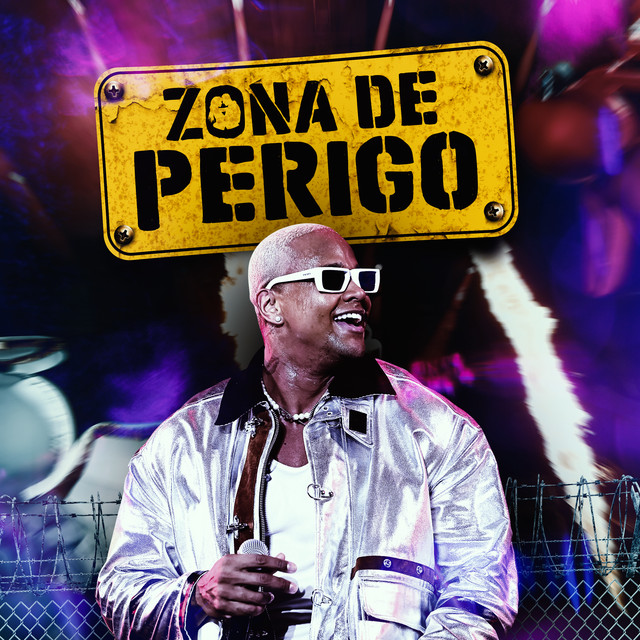
Zona De Perigo
Leo Santana
2024
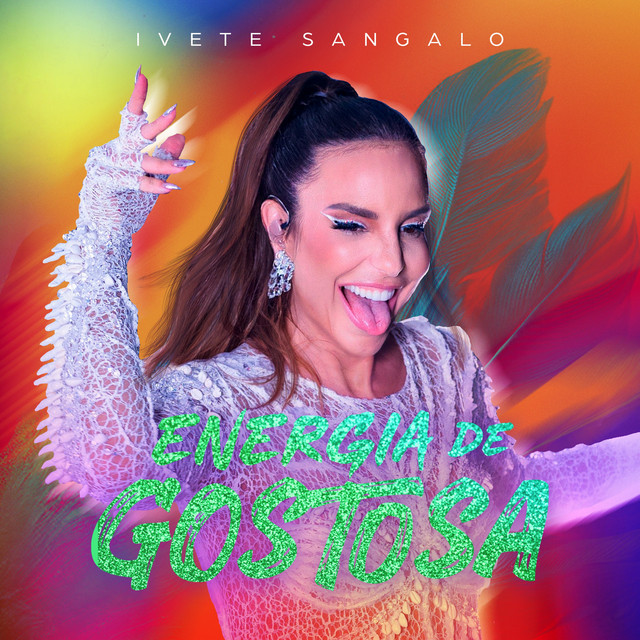
Energia de Gostosa
Ivete Sangalo
2020
O Mundo Vai
Ivete Sangalo
2025
Saudade Proibida (Ao Vivo)
Simone Mendes
2016
Pé Na Areia (Ao Vivo)
Diogo Nogueira
2025
Mesmice (Ao Vivo)
Simone Mendes
1996
Feijão com arroz
Daniela Mercury
1992
O canto da cidade
Daniela Mercury
2025
Cantando Sua História 2
Simone Mendes
Download our mobile app
Get the Melodigging app and start digging for new genres on the go
Download on the App Store
Get it on Google Play
© 2026 Melodigging
Give feedback
Legal
Melodding was created as a tribute to
Every Noise at Once
, which inspired us to help curious minds keep digging into music's ever-evolving genres.