Genres
Make Music
Artists
Albums
Challenges
Sign in
Sign in
Albums
By Damily
Albums
By Damily
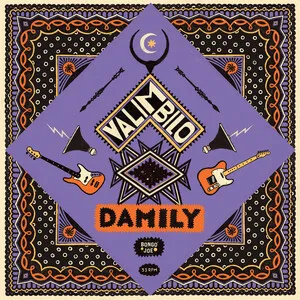
Valimbilo
October 19, 2018
Listen
1
/5
Genres
Austronesian Music
Austronesian music is an umbrella term for the diverse musical traditions of Austronesian-speaking peoples, whose homelands stretch from Taiwan through Island Southeast Asia to Oceania and Madagascar. Across this vast region, common threads recur: strong communal vocal practices (call-and-response, responsorial choruses, and polyphonic or heterophonic textures), cyclic and interlocking rhythms, and an emphasis on idiophones and membranophones such as slit drums, gong-chime ensembles (e.g., gamelan and kulintang), and bamboo percussion. Melodies often favor anhemitonic pentatonic scales, limited ranges, and formulaic, chant-like contours, while dance and music are tightly integrated in ritual and social life (e.g., hula, siva, haka, and fatele). Local instrumentation and style vary widely—ukulele, slack-key guitar, and himene tarava in Polynesia; gong-row ensembles, kotekan interlocking, and metallophones in Indonesia; kulintang suites in the southern Philippines; nose flutes and bamboo zithers across the region; and valiha (tube zither) in Madagascar—yet they share maritime, oral-poetic, and communal aesthetics shaped by millennia of seafaring and exchange.
Discover
Listen
Tsapiky
Tsapiky (sometimes spelled tsapika) is a high-energy, guitar-driven dance music from the southwest of Madagascar, centered on the coastal city of Toliara (Tuléar). It features rapid, trance-like grooves, interlocking electric guitar riffs, and call-and-response vocals that can last for extended, ecstatic performances. Bands typically use two or more electric guitars, electric bass, and drum kit, with handclaps and occasional traditional Malagasy instruments. Harmonically, tsapiky often revolves around short modal or I–IV–V vamps, while rhythmically it emphasizes relentless, motoric picking patterns and propulsive, polyrhythmic drum/bass interplay. Beyond clubs and concerts, tsapiky is deeply rooted in community life—played at weddings, circumcision ceremonies, sporting events, and sometimes all-night gatherings—where its speed and stamina serve social bonding and collective catharsis.
Discover
Listen
Malagasy Music
Malagasy music refers to the extraordinarily diverse musical traditions of Madagascar, shaped by the island’s unique position between Africa and the Austronesian world. Its sound blends Indonesian-derived zithers and tunings with African polyrhythms, call-and-response vocals, and, later, European harmony and song forms. Core instruments include the valiha (bamboo tube zither), marovany (box zither), kabosy (box guitar-lute), lokanga (fiddle), sodina (end-blown flute), and a range of drums such as the hazolahy. In the 20th century, guitar, accordion, and electric bands became common, powering high-energy dance styles like salegy and tsapiky alongside older courtly and theatrical traditions such as hiragasy. Across regions, styles vary widely: Merina highland repertoires favor intricate zithers and multipart singing; the northwest and coastal cities champion fast, rolling 6/8 grooves; the southwest features trance-like guitar ostinatos and communal choruses. The result is a living continuum that moves from intimate, harp-like textures to exuberant, electrified dance music.
Discover
Listen
Similar albums
2003
Tulear Never Sleeps: Tsapiky Guitars from South West Madagascar
2015
Very Aomby
Damily
2009
Ravinahitsy
Damily
2005
Malagasy Guitar
D'Gary
2005
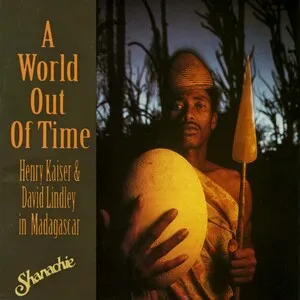
A World Out of Time
Henry Kaiser & David Lindley
1993
Facing Future
Israel "IZ" Kamakawiwoʻole
1949
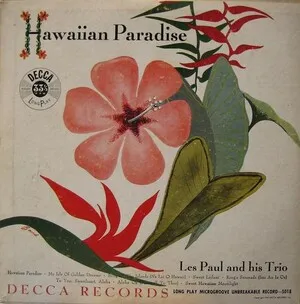
Hawaiian Paradise
Les Paul and His Trio
2014
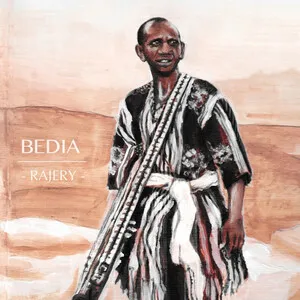
Bedia
Rajery
1975
Volume 1
The Gabby Pahinui Hawaiian Band
1999
The Ocean 海洋
Chen Jian-nian 陳建年
Download our mobile app
Get the Melodigging app and start digging for new genres on the go
Download on the App Store
Get it on Google Play
© 2026 Melodigging
Give feedback
Legal
Melodding was created as a tribute to
Every Noise at Once
, which inspired us to help curious minds keep digging into music's ever-evolving genres.