Genres
Make Music
Artists
Albums
Challenges
Sign in
Sign in
Albums
By CHUDAHYE CHAGIS
Albums
By CHUDAHYE CHAGIS
Underneath the Dangsan Tree Tonight 오늘밤 당산나무 아래서
June 19, 2020
Listen
1
/5
Genres
Fusion Gugak
Fusion gugak is a contemporary style that blends Korea’s traditional music (gugak) and instruments with modern genres such as jazz, rock, post-rock, ambient, and electronic music. It keeps core gugak elements—traditional modes, ornamentation (sigimsae), cyclic jangdan rhythms, and timbres of instruments like gayageum, geomungo, haegeum, piri, daegeum, janggu, and buk—while adopting modern harmony, song forms, amplification, and studio production. The result ranges from high-energy percussion- and groove-driven performances to atmospheric, minimalist soundscapes, making gugak accessible to new audiences without abandoning its identity.
Discover
Listen
East Asian Folk Music
East Asian folk music is an umbrella term for the traditional, community-rooted musics of China, Japan, Korea, Mongolia, and related cultures in the region. While the practices themselves are ancient, the category coalesced in the 1900s as folklorists, broadcasters, and state ensembles began documenting, standardizing, and reviving rural and ritual repertoires. Typical features include pentatonic-based melodies, flexible rhythm and meter, and heterophonic textures in which multiple performers ornament the same tune simultaneously. Vocal styles range from narrative epics and work songs to lyrical art-folk ballads, often delivered with regional timbres and rich ornamentation. Signature instruments include the Chinese erhu, pipa, dizi, and guzheng; the Japanese shamisen, shakuhachi, and koto; the Korean gayageum, haegeum, piri, and janggu; and Mongolian morin khuur and tovshuur, alongside various frame drums and gongs. Beyond village and ritual contexts, East Asian folk music today thrives on stage and in media, influencing popular genres and fusions that retain traditional scales, storytelling, and timbral aesthetics.
Discover
Listen
Muak
Muak is the traditional Korean shamanic music performed within gut (ritual) ceremonies to invite, appease, and send off deities and ancestral spirits. It is an ecstatic, participatory music that combines chant, dance, and instrumental ensemble performance to induce trance states for the shaman (mudang) and the community. The sound world centers on piercing double-reed oboes (taepyeongso/hojok), bamboo and reed flutes (daegeum and piri), two-string fiddle (haegeum), zither (gayageum), and a powerful percussion battery—small hand gong (kkwaenggwari), large hanging gong (jing), hourglass drum (janggu), and barrel drum (buk). Melodies move in modal frameworks such as ujo and gyemyonjo, while rhythm unfolds through cyclic changdan patterns like gutgeori, jajinmori, and semachi. Vocal delivery is declamatory and improvised, often recounting mythic narratives (e.g., bonpuri on Jeju) and blessing formulae.
Discover
Listen
Korean Folk Music
Korean folk music (minyo and related traditions) encompasses the vernacular songs, percussion ensembles, narrative epics, and ritual pieces that grew outside the court in villages and marketplaces across the Korean peninsula. It features cyclic rhythmic patterns (jangdan), pentatonic modal systems such as pyeongjo, ujo, and gyemyeonjo, and distinctive vocal ornamentation (sigimsae) that conveys the affect known as han (a bittersweet, often plaintive sentiment). Core idioms include minyo (regional folksongs like Arirang), pansori (long-form sung storytelling), sinawi (shamanic-rooted ensemble improvisation), and pungmul/nongak (outdoor farmers’ percussion), performed on instruments such as gayageum and geomungo (zithers), haegeum (spike fiddle), daegeum and piri (flutes/oboes), and the four samul percussion instruments (kkwaenggwari, jing, janggu, buk).
Discover
Listen
Korean Music
Korean music (gugak) encompasses the traditional, courtly, religious, and folk music of the Korean Peninsula, as well as the modern popular styles that emerged in the 20th and 21st centuries. Traditional Korean music is built on modal systems such as pyeongjo and gyemyeonjo, cyclical rhythms called jangdan (e.g., jinyangjo, jungmori, jajinmori), heterophonic textures, and expressive ornamentation known as sigimsae. Core instruments include the gayageum (zither), geomungo (plucked zither), daegeum (bamboo flute), haegeum (two-string fiddle), piri (oboe), and percussion like janggu and buk. Modern Korean music ranges from trot and ballad to globalized K-pop, K-rap, and K-rock, blending indigenous aesthetics with Western harmony, electronic production, and tightly choreographed performance.
Discover
Listen
Similar albums
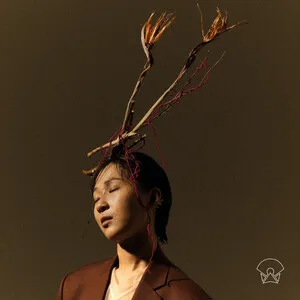
2021
Similar & Different
Dal:um 달음
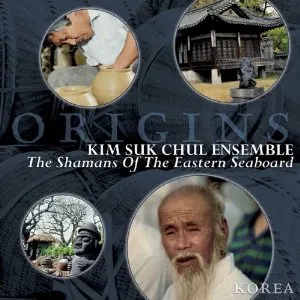
1993
The Shamans of the Eastern Seaboard
Kim Suk Chul Ensemble
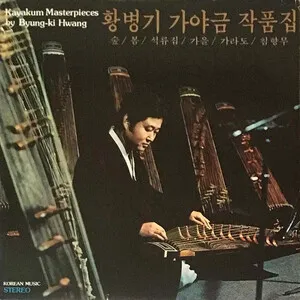
2006
Kayakum Masterpieces 가야금 작품집
황병기
2019
Nuunmuun
Cha Seungmin 차승민
1994
진도 씻김굿
Kim Daerye 김대례
2005
두번째달
2nd Moon 두번째달
2017
악단광칠
ADG7 악단광칠
2025
Sosuminjok 소수민족
Chudahye Chagis 추다혜차지스
2025
All Living Things
Park Jiha 박지하
2025
Spirits Unbound
UREUK AND THE GYPSIES
Download our mobile app
Get the Melodigging app and start digging for new genres on the go
Download on the App Store
Get it on Google Play
© 2026 Melodigging
Give feedback
Legal
Melodding was created as a tribute to
Every Noise at Once
, which inspired us to help curious minds keep digging into music's ever-evolving genres.