Genres
Artists
Albums
Make Music
Sign in
Sign in
Albums
By Paul Hindemith
Albums
By Paul Hindemith
Two Organ Concertos / Concerto for Viola d'amore
1996
Listen
Genres
Historic Classical Performance
Historic classical performance (often aligned with the historically informed performance movement) is an approach to playing Western art music using the instruments, techniques, tunings, ensemble sizes, and stylistic conventions of the period in which the music was written. Rather than treating the score as a fixed, modern object, it treats it as a set of historically situated instructions, illuminated by treatises, original instruments, performance traditions, and the acoustics and rhetorical aims of past eras—from Medieval and Renaissance repertories through Baroque, Classical, and early Romantic music. The result emphasizes clarity of texture, speech‑like articulation, dance rhythms, improvised embellishment, and timbral colors native to gut strings, natural brass, wooden flutes, historical keyboards, and other period forces.
Discover
Listen
Neoclassicism
Neoclassicism in music is a 20th‑century movement that revived forms, genres, and aesthetics from the Baroque and Classical eras, but reframed them with modern harmony, rhythm, and orchestration. It emphasizes clarity, balance, objectivity, and contrapuntal craft, often rejecting late‑Romantic excess while retaining a tonal or modal center enriched by dissonance, bitonality, and crisp rhythmic drive. Typical hallmarks include neobaroque dance suites, neoclassical sonatas and concerti, chamber‑oriented scoring, clean textures, and a dry, anti‑rhetorical performance style.
Discover
Listen
Austro-German Modernism
Austro-German modernism is a current in early 20th‑century classical music centered in Vienna, Berlin, and other cultural hubs of the German‑speaking world. It is marked by the break with late‑Romantic tonality through chromatic saturation, atonality, and ultimately systematic twelve‑tone/serial procedures; a heightened, often expressionist intensity of gesture; concentrated motivic work; and refined attention to timbre (including Klangfarbenmelodie). While many composers retained or reimagined traditional forms, their harmonic language, rhythm, and orchestration pursued a radical new expressivity. Beyond its signature pitch techniques, the movement embraced new vocal practices (such as Sprechstimme), chamber ensembles of novel makeup, and an aesthetics that oscillated between ecstatic subjectivity and ascetic concentration. Its innovations set the groundwork for much of 20th‑ and 21st‑century concert music.
Discover
Listen
Similar albums
2016
Erik Satie & Friends
Francis Poulenc
2013
Synthesizer Greatest 2
Maurice Ravel
1995
Verklärte Nacht Op. 4; Piano Pieces Op. 11 & 19; Five Orchestral Pieces Op. 16
Arnold Schoenberg / Chicago Symphony Orchestra / Daniel Barenboim
2010
Victoria Day Celebration
Maurice Ravel
1989
Gloria; Stabat Mater
Francis Poulenc
1958
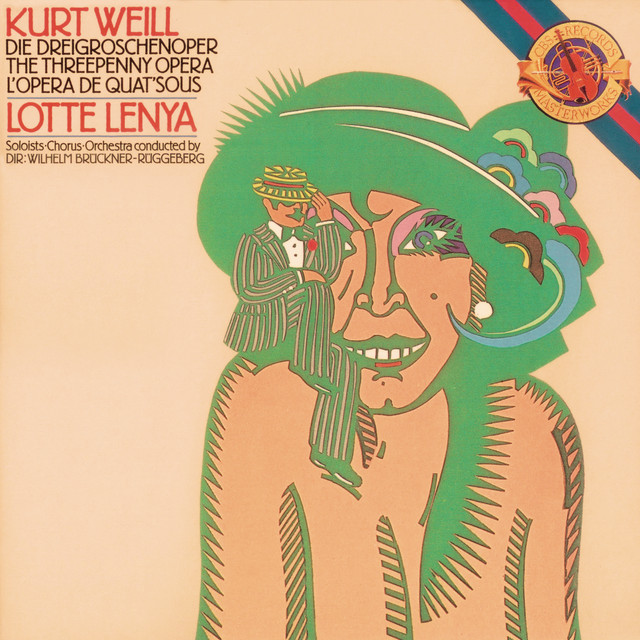
Die Dreigroschenoper
Kurt Weill / Wilhelm Brückner-Rüggeberg / Lotte Lenya
2022
Isola
Rumpistol
1950
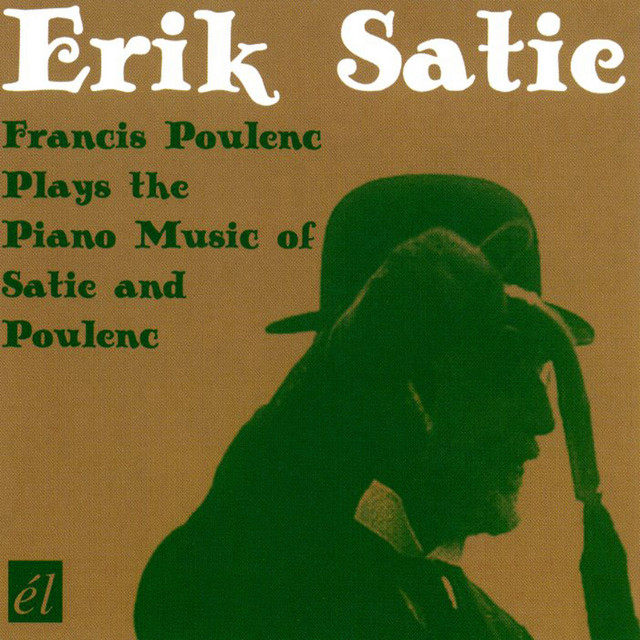
Erik Satie - Francis Poulenc Plays the Piano Music of Satie and Poulenc
Francis Poulenc
1993
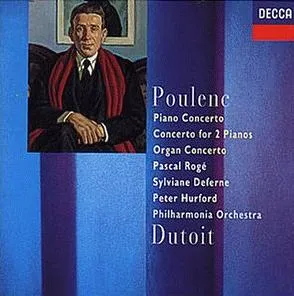
Piano Concerto; Concerto for 2 Pianos; Organ Concerto
Francis Poulenc
2016
In Europe
Moondog
Download our mobile app
Get the Melodigging app and start digging for new genres on the go
Download on the App Store
Get it on Google Play
© 2026 Melodigging
Give feedback
Legal
Melodding was created as a tribute to
Every Noise at Once
, which inspired us to help curious minds keep digging into music's ever-evolving genres.