Genres
Make Music
Artists
Albums
Challenges
Sign in
Sign in
Albums
By Chieko Kishi
Albums
By Chieko Kishi
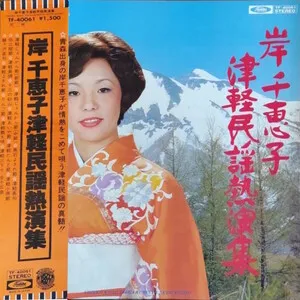
津軽民謡熱演集 (Tsugaruminyo netsuenshu)
December 20, 1977
Listen
1
/5
Genres
Tsugaru-Jamisen
A virtuosic regional shamisen style from the Tsugaru area of Aomori, Japan, tsugaru-jamisen is known for its driving rhythms, percussive bachi (plectrum) strikes, and improvisatory development over folk-song (min'yō) melodic cells. Players typically use a futozao (thick-neck) shamisen with a large bachi, exploiting the instrument’s sawari (sympathetic buzz) and powerful downstrokes to create both pitch and percussion. Core repertoire pieces such as Tsugaru Jongara-bushi, Tsugaru Yosare-bushi, and Tsugaru Aiya-bushi are treated as frameworks for variation, with free-rhythm introductions blossoming into fast, dance-like sections. The style balances raw intensity and lyricism, combining rapid tremolo, slides, pull-offs, and offbeat accents with the Japanese jo–ha–kyū sense of pacing. It is performed solo, in duo call-and-response with singers and flutes, or in ensembles, and today appears in concert halls, festivals, competitions, and cross-genre collaborations.
Discover
Listen
Min'yō
Min'yō refers to the diverse body of Japanese folk songs that arose from everyday life—work, festivals, travel, drinking gatherings, and lullabies—across regions of Japan. The songs are typically strophic, use local dialects, and often include onomatopoeic calls and interjections (kakegoe) such as “sore!” or “yoisho!” that energize group participation. Musically, min'yō commonly employs Japanese pentatonic scales—especially the anhemitonic yo scale and the hemitonic in-sen scale—with characteristic melismatic ornaments (kobushi), tight, bright vocal timbres, and flexible timing that respects ma (expressive space). Accompaniments are traditionally provided by shamisen, shinobue (transverse bamboo flute), shakuhachi, taiko and hand drums, and sometimes koto, with heterophonic textures rather than harmonic progressions. Stylistically, subtypes such as “-bushi” and “-ondo” reflect narrative vs. dance-oriented tendencies, respectively, with well-known regional examples like Soran-bushi (Hokkaidō), Tsugaru folk repertoire (Aomori), and Sado okesa (Niigata).
Discover
Listen
Similar albums
2017
Echoes of Japan (エコーズ・オブ・ジャパン)
Minyo Crusaders
2007
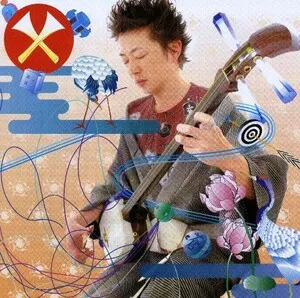
蒼風
Hiromitsu Agatsuma 上妻宏光
2015
Japanese Masterpieces for the Koto
Master Musicians of Ikuta-Ryu
1961
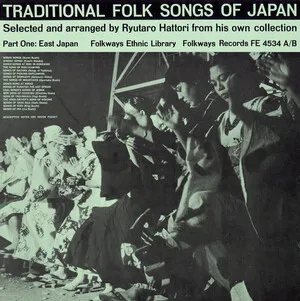
Traditional Folk Songs of Japan, Part One: East Japan
2001
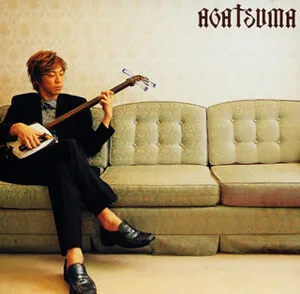
Agatsuma
Agatsuma
2024
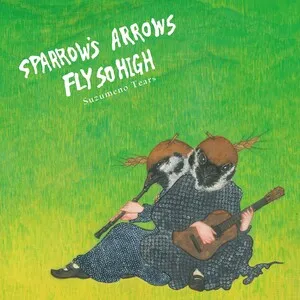
Sparrow's Arrows Fly So High
Suzumeno Tears すずめのティアーズ
2011
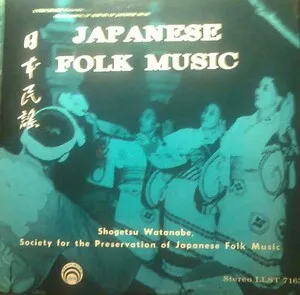
Japanese Folk Music
Shogetsu Watanabe
2002
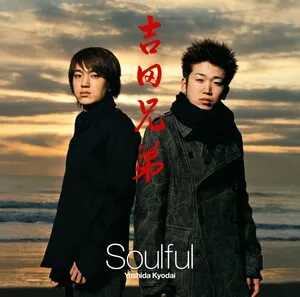
Soulful
Yoshida Brothers 吉田兄弟
2003
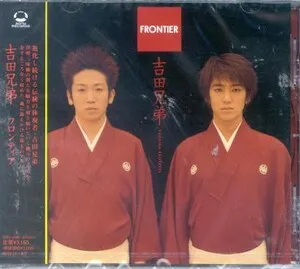
Frontier
Yoshida Brothers 吉田兄弟
2022
Hazama
Mitsune
Download our mobile app
Get the Melodigging app and start digging for new genres on the go
Download on the App Store
Get it on Google Play
© 2026 Melodigging
Give feedback
Legal
Melodding was created as a tribute to
Every Noise at Once
, which inspired us to help curious minds keep digging into music's ever-evolving genres.