Genres
Make Music
Artists
Albums
Challenges
Sign in
Sign in
Albums
By Toquinho
Albums
By Toquinho
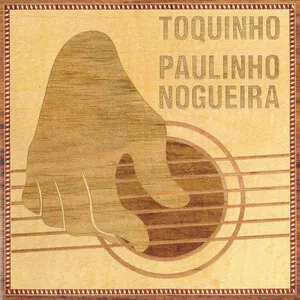
Toquinho & Paulinho Nogueira
January 1, 1999
Listen
1
/5
Genres
Latin
Latin (as a genre label) is a broad umbrella used by the recording industry to categorize popular music rooted in Latin America, the Caribbean, and the Iberian world, often characterized by syncopated Afro-diasporic rhythms, dance-forward grooves, and lyrics primarily in Spanish or Portuguese. As a marketplace category that took shape in the mid-20th century United States, it gathers diverse traditions—Afro-Cuban, Brazilian, Mexican, and Caribbean styles—into a shared space. In practice, "Latin" spans everything from big-band mambo and bolero ballads to contemporary pop, rock, hip hop, and dance fusions produced by artists of Latin American heritage.
Discover
Listen
Southeastern Brazilian Music
Southeastern Brazilian music refers to the rich web of popular and traditional styles that crystallized in the urban centers of Rio de Janeiro, São Paulo, Belo Horizonte, and Espírito Santo. It encompasses historic genres such as choro and samba, mid‑century developments like bossa nova and MPB, and late‑20th‑century urban forms including funk carioca and hip hop. Rhythmically, it fuses African‑diasporic percussion with European song forms and harmony. Instrumentation ranges from cavaquinho, pandeiro, surdo, cuíca, tamborim, bandolim, and flute in choro/samba ensembles to nylon‑string guitar, jazz‑leaning piano/bass/drums in bossa nova and MPB, and 808‑driven beats and sampling in funk carioca and São Paulo rap. Harmonically, the region is noted for both the contrapuntal elegance of choro and the sophisticated extended‑chord vocabulary of bossa nova and MPB. Culturally, carnival, samba schools, radio, and the recording industry helped project these sounds nationwide and globally.
Discover
Listen
Jazz
Jazz is an improvisation-centered music tradition that emerged from African American communities in the early 20th century. It blends blues feeling, ragtime syncopation, European harmonic practice, and brass band instrumentation into a flexible, conversational art. Defining features include swing rhythm (a triplet-based pulse), call-and-response phrasing, blue notes, and extended harmonies built on 7ths, 9ths, 11ths, and 13ths. Jazz is as much a way of making music—spontaneous interaction, variation, and personal sound—as it is a set of forms and tunes. Across its history, jazz has continually hybridized, from New Orleans ensembles and big-band swing to bebop, cool and hard bop, modal and free jazz, fusion, and contemporary cross-genre experiments. Its influence permeates global popular and art music.
Discover
Listen
Brazilian Classical Music
Brazilian classical music is the national art‑music tradition that fuses European concert music with the rhythms, melodies, and timbres of Brazil. It emerged as composers absorbed the harmonic language and forms of the Classical and Romantic eras and then wove in modinha, lundu, choro, and other popular/folk idioms. Across orchestral, chamber, operatic, and solo repertoire—often with guitar and voice at the center—its hallmarks include lyrical, song‑forward themes, syncopated and dance‑derived rhythms, colorful orchestration, and frequent evocations of regional and Indigenous materials. From the late‑Romantic operas of Carlos Gomes to Villa‑Lobos’s modernist Bachianas and Chôros cycles, the style maps a distinctly Brazilian identity onto classical craft.
Discover
Listen
Choro
Choro is an urban Brazilian instrumental genre that arose in Rio de Janeiro in the late 19th century. It blends European dance forms (polka, schottische, waltz, mazurka) with Afro-Brazilian rhythmic sensibilities from styles like lundu and early maxixe, producing a supple, highly syncopated groove. Typical choro ensembles (regionais) feature a lead melodic instrument—often flute, clarinet, or bandolim (mandolin)—supported by cavaquinho and 6-string guitar for harmony, a 7‑string guitar providing counter-melodic bass lines (baixarias), and pandeiro for light percussion. Pieces commonly use multi-strain forms (e.g., AABBACCA), incorporate modulations, and encourage melodic variations and counterpoint rather than long harmonic solos. The result is music that is both virtuosic and lyrical, at once salon-refined and street-savvy.
Discover
Listen
Similar albums
1975
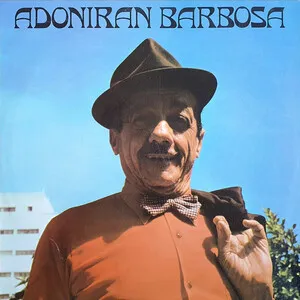
Adoniran Barbosa
Adoniran Barbosa
1977
Verde que te quero rosa
Cartola
1977
Quatro grandes do samba
Nelson Cavaquinho, Candeia, Guilherme de Brito & Elton Medeiros
1966
Tristeza on Guitar
Baden Powell
1984
Cadáver pega fogo durante o velório
Fernando Pellon
2003
Saga Jazz: Jazz & Latin Songs (Argentina, Brasil, Cuba, Mexico)
Oscar Aleman
1974
Adoniran Barbosa
Adoniran Barbosa
1974
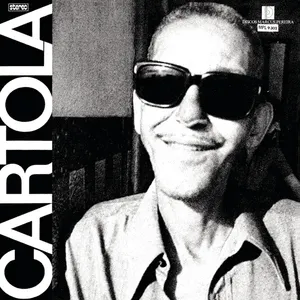
Cartola
Cartola
1997
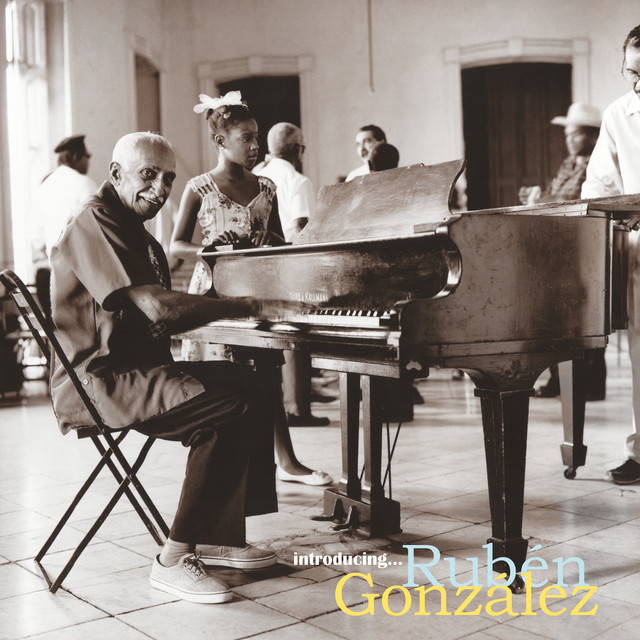
Introducing
Ruben Gonzalez
1979
No pagode
Beth Carvalho
Download our mobile app
Get the Melodigging app and start digging for new genres on the go
Download on the App Store
Get it on Google Play
© 2026 Melodigging
Give feedback
Legal
Melodding was created as a tribute to
Every Noise at Once
, which inspired us to help curious minds keep digging into music's ever-evolving genres.