Genres
Make Music
Artists
Albums
Challenges
Sign in
Sign in
Albums
Albums
Toho Bossa Nova 2
May 26, 2013
Listen
1
/5
Genres
Touhou Music
Touhou music refers to the body of soundtrack themes composed by ZUN (Team Shanghai Alice) for the Touhou Project games and the vast ecosystem of fan-made arrangements that sprang up around them. The core sound is melody-forward, with instantly memorable hooks, brisk tempos, dramatic key changes, and a distinctive bright, brassy lead timbre often nicknamed the "ZUNpet." While the official scores are rooted in Japanese game music tradition, the arrangement culture spans a remarkable breadth of styles: trance and eurobeat for dancefloor energy, j-core and hardcore techno for festival intensity, metal and symphonic rock for virtuosic reinterpretations, denpa and J-pop for character-driven vocals, and jazz or orchestral treatments for lush, narrative colors. Over time, “Touhou music” became both a repertoire and a creative practice within the doujin scene, defining how fan communities compose, perform, and circulate music tied to shared fictional worlds.
Discover
Listen
Akishibu-Kei
Akishibu-kei is a Japanese pop-oriented trend in anime-related music that blends the chic, retro-pop collage of Shibuya-kei with Akiba-kei’s otaku-centric sensibilities. Typically, it marries breezy bossa/jazz-inflected harmonies, cut-and-paste sampling, and French-pop nostalgia with bright, idol-like vocals and anime tie-in songwriting. The result is an approachable, stylish sound that feels both metropolitan and fandom-focused—equally at home in a Shibuya boutique and an Akihabara record shop. While not a rigid genre, the label highlights a 2000s moment when Shibuya-kei aesthetics noticeably permeated anime openings/endings and character songs.
Discover
Listen
Doujin Music
Doujin music is the self-published, grassroots music ecosystem of Japan’s doujin (fan-made/independent) culture. It is created by individuals or small “circles” and released directly to fans, most famously at events like Comiket, M3, and Hakurei Jinja Reitaisai. Stylistically, it is genre-agnostic: you will find high-energy club styles (J-core, trance, eurobeat), cute and eccentric pop (denpa), rock/metal bands, orchestral and piano works, and an enormous number of fan arrangements of game and anime music—especially from the Touhou Project. Many releases use vocal synthesizers (Vocaloid/UTAU) or utaite singers from video platforms like Niconico Douga. Distribution is typically physical CDs and merch at events alongside digital storefronts (BOOTH, Bandcamp) and video platforms. The scene values rapid iteration, strong visual identity, and community feedback, resulting in a distinct “otaku-centric” aesthetic and a remarkably prolific catalog.
Discover
Listen
Shibuya-Kei
Shibuya-kei is a Japanese pop micro‑genre that emerged from Tokyo’s Shibuya district in the early–mid 1990s. It blends 1960s French yé‑yé, bossa nova, lounge/easy listening, baroque pop, jazz, sunshine pop, and slick city‑pop with contemporary sampling and electronic production. The style is cosmopolitan and retro‑futurist: it celebrates crate‑digging, witty pastiche, and graphic design/fashion as much as music. Songs often feature breezy melodies, airy or whispery vocals in Japanese, English, or French, and richly orchestrated arrangements that feel both nostalgic and playful.
Discover
Listen
J-Pop
J-pop (Japanese pop) is a broad umbrella for mainstream Japanese popular music that blends Western pop/rock, dance, and R&B with distinctly Japanese songwriting, vocal delivery, and industry practices. It is characterized by strong hooks, polished production, bright synths and guitars, frequent key changes and modulatory bridges, and chorus-first or chorus-centric structures. J-pop spans idol groups, singer-songwriters, band-oriented pop-rock, electronic dance-pop, and R&B ballads, while remaining closely tied to television, advertising, video games, and anime tie-ins (anisong).
Discover
Listen
Samba-Jazz
Samba‑jazz is a Brazilian small‑combo style that fuses the propulsive, syncopated rhythms of samba with the harmony, form, and improvisational language of modern jazz (especially hard bop and cool jazz). It is typically more energetic and instrumental than bossa nova, emphasizing virtuosic interaction in piano‑trio and quartet/quintet settings. The drumming concept—pioneered by Edison Machado and others—moves the samba pulse to the ride cymbal and hi‑hat ("samba no prato"), while the bass suggests surdo patterns and the piano/guitar supplies rich jazz voicings. Heads are often concise, followed by swinging, straight‑eighth samba grooves under extended improvisations, and a tight return to the theme.
Discover
Listen
Bossa Nova
Bossa nova is a Brazilian popular music style that emerged in Rio de Janeiro in the late 1950s, blending samba’s syncopated pulse with the harmonic sophistication and understated cool of jazz. It is characterized by intimate, almost whispered vocals; a nylon‑string guitar playing the distinctive batida (a gently syncopated, two-beat accompaniment); subtle, brushed percussion; and lush, extended jazz harmonies. The mood is relaxed, refined, and full of saudade—a bittersweet sense of longing—often evoking images of Rio’s beaches, nightclubs, and urban modernity.
Discover
Listen
Similar albums
2002
One-Room Survival
Serani Poji
2004
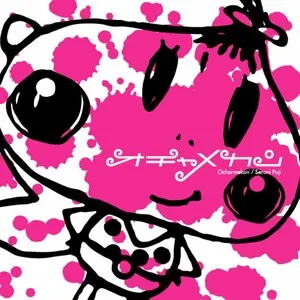
Ochamekan オチャメカン
Serani Poji
2003
April
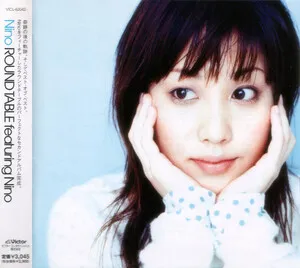
Round Table Featuring Nino
2006
Nino
Round Table Featuring Nino
1997
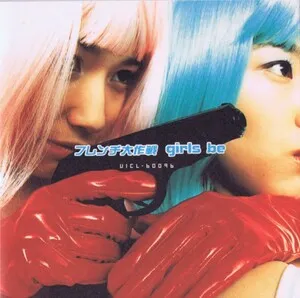
The French Operation フレンチ大作戦
Girls Be
2003
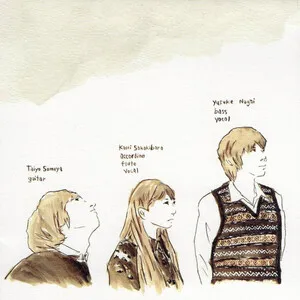
Soyokaze Apartment Room 201 そよ風アパートメント201
Lamp
2006
Perfume 〜Complete Best〜
Perfume
2006
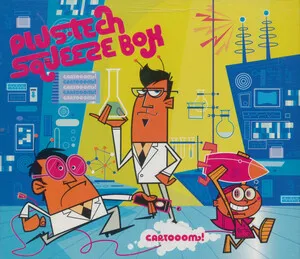
Cartooom!
Plus-Tech Squeeze Box
2005
Fakevox
Plus-Tech Squeeze Box
2003
Halcali Bacon
HALCALI
Download our mobile app
Get the Melodigging app and start digging for new genres on the go
Download on the App Store
Get it on Google Play
© 2026 Melodigging
Give feedback
Legal
Melodding was created as a tribute to
Every Noise at Once
, which inspired us to help curious minds keep digging into music's ever-evolving genres.