Genres
Make Music
Artists
Albums
Challenges
Sign in
Sign in
Albums
By IQ
Albums
By IQ
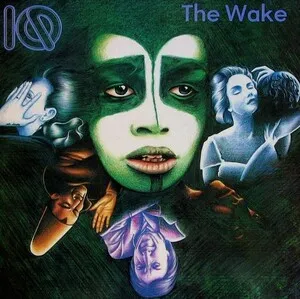
The Wake
1994
Listen
2
/5
Genres
Neo-Progressive Rock
Neo-progressive rock (often shortened to neo-prog) is a revivalist wave of progressive rock that emerged in the early 1980s in the United Kingdom. It blends the grand, symphonic ambitions of 1970s prog with more concise song forms, strong hooks, and glossy 1980s production aesthetics. The style is characterized by emotive vocals, lyrical guitar leads, and prominent, textural keyboards (synth pads, string ensembles, Mellotron emulations). Songs often feature dynamic shifts, recurring thematic motifs, and extended instrumental passages, yet remain accessible through memorable choruses and streamlined structures. Compared with classic prog, neo-prog tends to emphasize atmosphere and melody over virtuosity for its own sake, focusing on dramatic storytelling, introspective themes, and cinematic arrangements that build toward cathartic, epic climaxes.
Discover
Listen
Rock
Rock is a broad family of popular music centered on amplified instruments, a strong backbeat, and song forms that foreground riffs, choruses, and anthemic hooks. Emerging from mid‑20th‑century American styles like rhythm & blues, country, and gospel-inflected rock and roll, rock quickly expanded in scope—absorbing folk, blues, and psychedelic ideas—while shaping global youth culture. Core sonic markers include electric guitar (often overdriven), electric bass, drum kit emphasizing beats 2 and 4, and emotive lead vocals. Rock songs commonly use verse–chorus structures, blues-derived harmony, and memorable melodic motifs, ranging from intimate ballads to high‑energy, stadium‑sized performances.
Discover
Listen
Blues
Blues is an African American musical tradition defined by expressive "blue notes," call-and-response phrasing, and a characteristic use of dominant-seventh harmony in cyclical song forms (most famously the 12‑bar blues). It is as much a feeling as a form, conveying sorrow, resilience, humor, and hard-won joy. Musically, blues commonly employs the I–IV–V progression, swung or shuffled rhythms, and the AAB lyric stanza. Melodies lean on the minor/major third ambiguity and the flattened fifth and seventh degrees. Core instruments include voice, guitar (acoustic or electric), harmonica, piano, bass, and drums, with slide guitar, bends, and vocal melismas as signature techniques. Over time the blues has diversified into regional and stylistic currents—Delta and Piedmont country blues, urban Chicago and Texas blues, West Coast jump and boogie-woogie—while profoundly shaping jazz, rhythm & blues, rock and roll, soul, funk, and much of modern popular music.
Discover
Listen
Similar albums
1997
Subterranea
IQ
1993
Ever
IQ
1994
Tales From the Lush Attic
IQ
1999
Last Kiss
Pearl Jam
2018
Staying at Tamara's
George Ezra
1977
Slowhand 35th Anniversary
Eric Clapton
1996
Blue Clear Sky
George Strait
1992
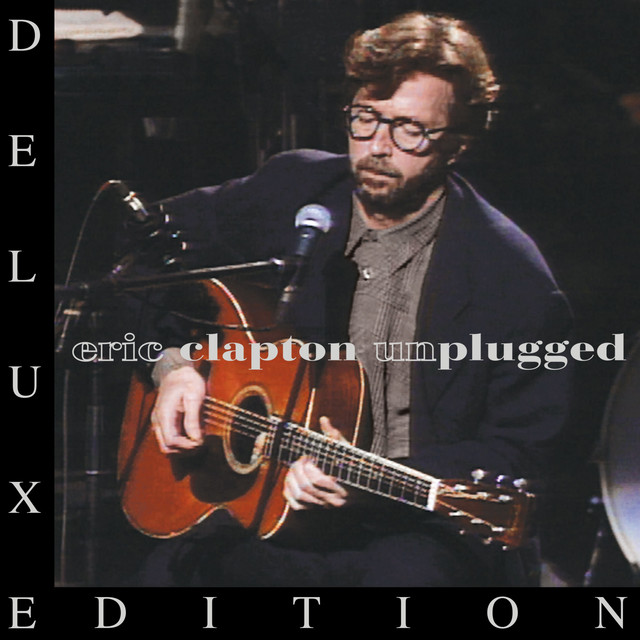
Unplugged (Deluxe Edition) (Live)
Eric Clapton
1983
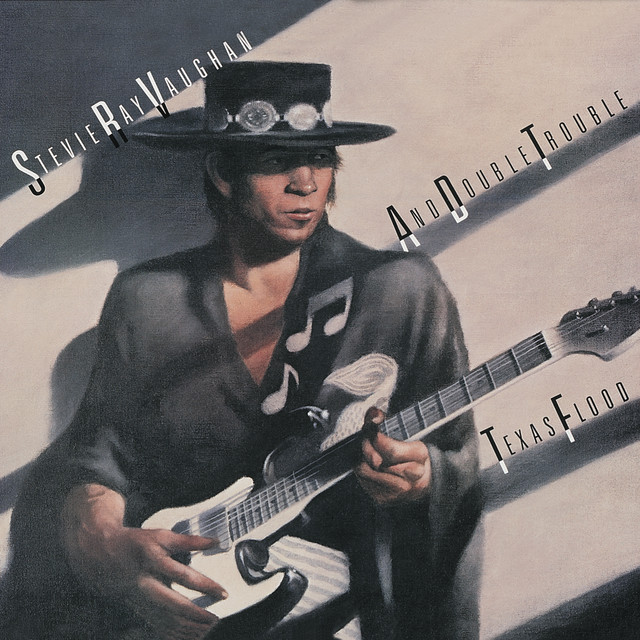
Texas Flood
Stevie Ray Vaughan and Double Trouble
1972
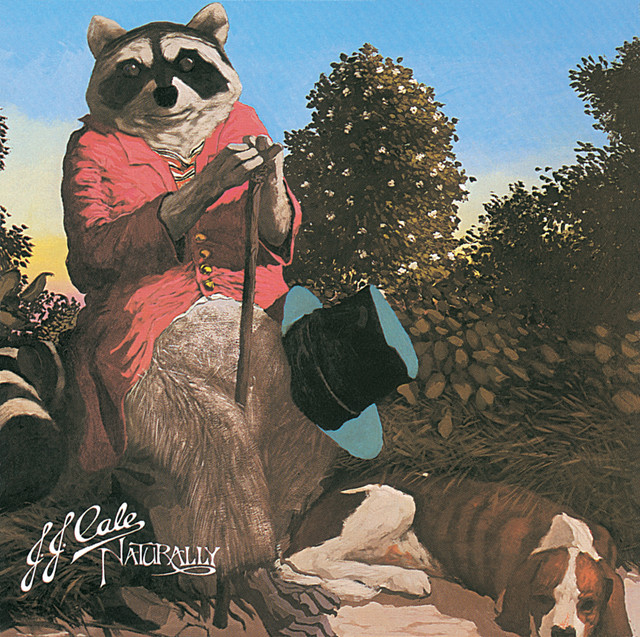
Naturally
J.J. Cale
Download our mobile app
Get the Melodigging app and start digging for new genres on the go
Download on the App Store
Get it on Google Play
© 2026 Melodigging
Give feedback
Legal
Melodding was created as a tribute to
Every Noise at Once
, which inspired us to help curious minds keep digging into music's ever-evolving genres.