Genres
Make Music
Artists
Albums
Challenges
Sign in
Sign in
Albums
By The Howling Void
Albums
By The Howling Void
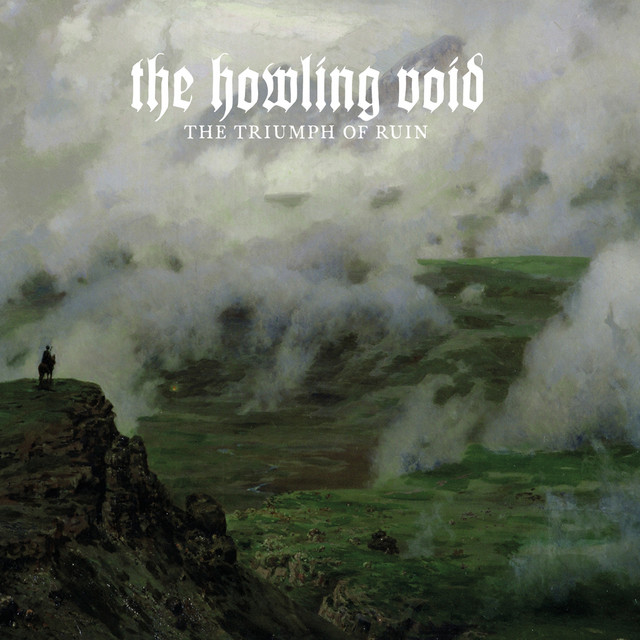
The Triumph of Ruin
April 29, 2016
Listen
1
/5
Genres
Funeral Doom
Funeral doom is an extreme substyle of doom metal characterized by ultra-slow tempos, vast dynamic space, and an atmosphere that oscillates between desolate melancholy and solemn grandeur. Songs often extend well beyond 10 minutes, built from sustained, down-tuned guitars, cavernous bass, sparse drum hits, and prominent keyboard or church-organ timbres. Vocals typically range from abyssal death-doom growls to distant, reverb-drenched cleans and choral textures. Rather than focusing on riffs in the traditional sense, arrangements emphasize long-form harmonic drones, pedal tones, and gradual textural shifts. Lyrically, funeral doom contemplates death, loss, metaphysical dread, and the sublime—frequently invoking imagery of nature, oceanic vastness, and mythic or literary themes. The result is music that feels monolithic and ritualistic, inviting patient, immersive listening rather than visceral immediacy.
Discover
Listen
Metal
Metal (often used to mean heavy metal in its broad, umbrella sense) is a loud, guitar-driven style of rock defined by high-gain distortion, emphatic and often martial rhythms, and a dense, powerful low end. It foregrounds riff-based songwriting, dramatic dynamics, virtuosic guitar solos, and commanding vocals that range from melodic wails to aggressive snarls and growls. Harmonically, metal favors minor modes, modal color (Aeolian, Phrygian), chromaticism, and tritone-inflected tension, while thematically it explores power, mythology, the occult, social critique, fantasy, and existential subjects. While adjacent to hard rock, metal typically pushes amplification, distortion, precision, and thematic intensity further, forming a foundation for many specialized subgenres.
Discover
Listen
Rock
Rock is a broad family of popular music centered on amplified instruments, a strong backbeat, and song forms that foreground riffs, choruses, and anthemic hooks. Emerging from mid‑20th‑century American styles like rhythm & blues, country, and gospel-inflected rock and roll, rock quickly expanded in scope—absorbing folk, blues, and psychedelic ideas—while shaping global youth culture. Core sonic markers include electric guitar (often overdriven), electric bass, drum kit emphasizing beats 2 and 4, and emotive lead vocals. Rock songs commonly use verse–chorus structures, blues-derived harmony, and memorable melodic motifs, ranging from intimate ballads to high‑energy, stadium‑sized performances.
Discover
Listen
Folk
Folk is a song-centered acoustic tradition rooted in community storytelling, everyday life, and social history. It emphasizes clear melodies, simple harmonies, and lyrics that foreground narrative, protest, and personal testimony. As a modern recorded genre, folk coalesced in the early-to-mid 20th century in the United States out of older ballad, work song, and rural dance traditions. It typically features acoustic instruments (guitar, banjo, fiddle, mandolin, harmonica), strophic song forms, and participatory singing (choruses, call-and-response).
Discover
Listen
Similar albums
1994
Stream From the Heavens
Thergothon
2023
Future's Shadow Part 1: The Clandestine Gate
Bell Witch
2020
Live Migration
Panopticon
2001
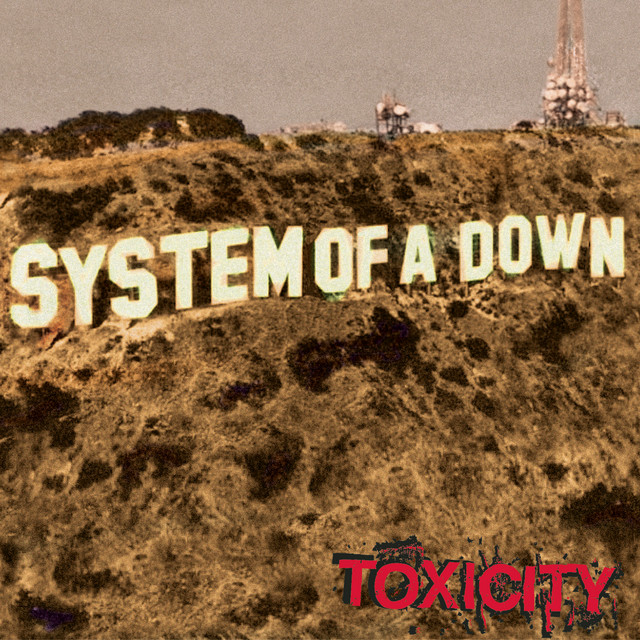
Toxicity
System of a Down
2002
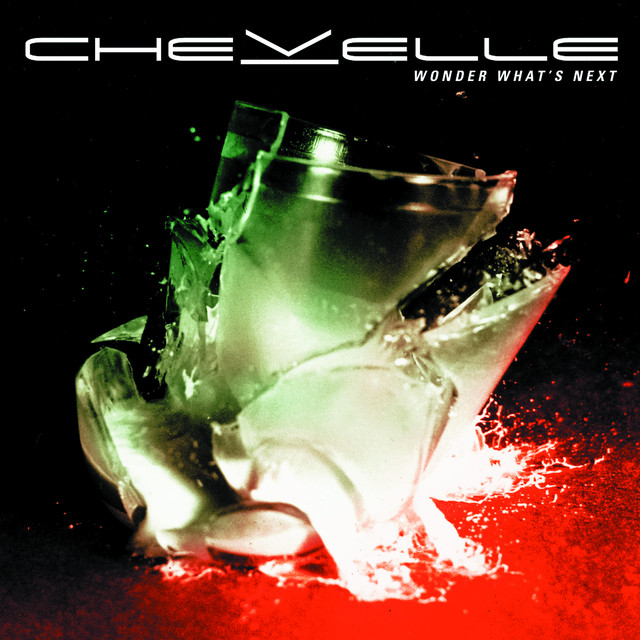
Wonder What's Next (Expanded Edition)
Chevelle
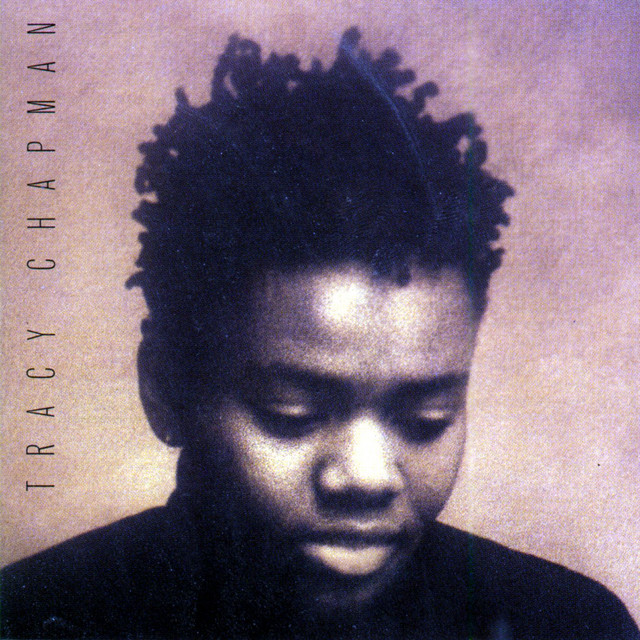
1988
Tracy Chapman
Tracy Chapman
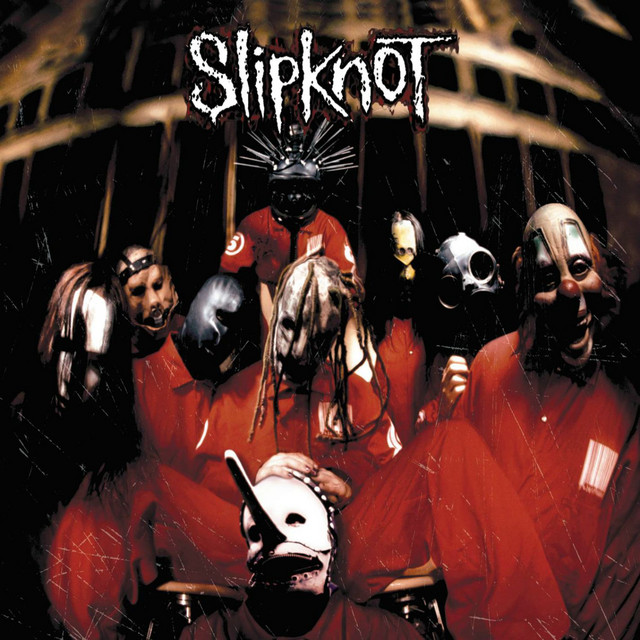
1999
Slipknot
Slipknot
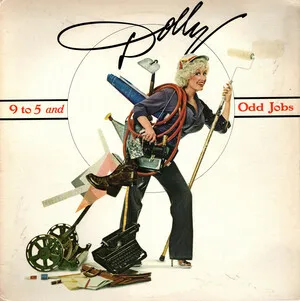
1980
9 to 5 and Odd Jobs
Dolly Parton
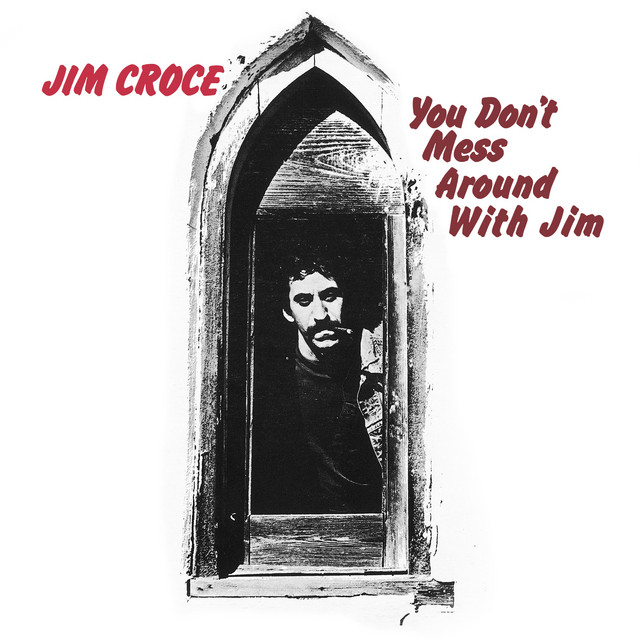
1972
You Don't Mess Around With Jim
Jim Croce
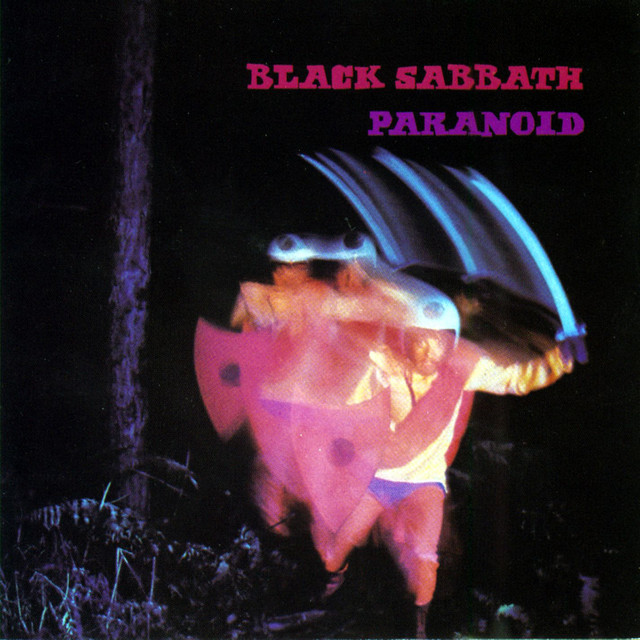
1970
Paranoid
Black Sabbath
Download our mobile app
Get the Melodigging app and start digging for new genres on the go
Download on the App Store
Get it on Google Play
© 2026 Melodigging
Give feedback
Legal
Melodding was created as a tribute to
Every Noise at Once
, which inspired us to help curious minds keep digging into music's ever-evolving genres.