Genres
Make Music
Artists
Albums
Challenges
Sign in
Sign in
Albums
By Prayer For Cleansing
Albums
By Prayer For Cleansing
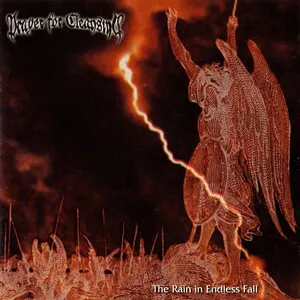
The Rain in Endless Fall
2003
Listen
2
/5
Genres
Deathcore
Deathcore is an extreme metal subgenre that fuses the riff language and vocal extremity of death metal with the breakdown‑centric impact of metalcore and its hardcore roots. Typical hallmarks include brutally palm‑muted and tremolo‑picked guitar riffs on low tunings, blast‑beat focused drumming with double‑kick barrages, and guttural growls, tunnel throats, and high shrieks. Songs commonly pivot into half‑time, groove‑heavy breakdowns designed for maximum physical impact. As a distinct movement, deathcore coalesced in the early 2000s and reached wider prominence in the mid‑2000s via internet platforms and relentless touring, even though earlier 1990s bands had already flirted with fusing death metal and hardcore elements.
Discover
Listen
Vegan Straight Edge
Vegan straight edge (often stylized xVx) is a militant, ideologically driven current within the hardcore/metalcore underground that fuses straight edge sobriety with vegan ethics and animal liberation. Musically it leans on metallic hardcore: down-tuned guitars, palm‑muted chugs, two‑step and d‑beat propulsion, and shout‑along gang vocals. Lyrically it is unambiguous—songs advocate veganism, anti‑speciesism, anti‑corporate critique, and personal discipline, often in stark, slogan‑ready lines. The aesthetic emerged around a tight scene of 1990s bands (most famously Earth Crisis) whose sound and message helped codify a distinct identity, iconography (the xVx mark), and show culture within the broader straight edge movement.
Discover
Listen
Melodic Death Metal
Melodic death metal (often shortened to melodeath) blends the speed, aggression, and harsh vocals of death metal with the harmonized guitar leads, memorable melodies, and songcraft of traditional heavy metal and thrash. It is characterized by twin‑guitar harmonies, fast tremolo riffs, punchy palm‑muted rhythms, and growled or screamed vocals, often contrasted with catchy, clearly articulated lead lines. Compared to traditional death metal, the genre favors stronger tonal centers, consonant interval harmonies (thirds and sixths), and more accessible structures, while retaining double‑kick intensity and occasional blast beats. Production tends to be tighter and clearer than early death metal, and many bands incorporate keyboards for texture. The style is strongly associated with the early–mid 1990s Gothenburg scene in Sweden, though parallel strains also emerged in the UK and Finland.
Discover
Listen
Metalcore
Metalcore is a fusion of hardcore punk’s urgency and ethos with heavy metal’s riff language and technicality. It is defined by tightly palm‑muted riffs, rapid double‑kick drumming, and frequent breakdowns—rhythmic, syncopated passages written to accentuate impact and crowd movement. Vocals typically alternate between harsh screams or growls and, in many bands, soaring clean choruses—a contrast that emphasizes both aggression and catharsis. Harmony and melody often borrow from melodic death metal, yielding minor‑key leads, harmonized guitars, and hook‑driven refrains. Modern production favors precise editing, dense guitar layering, and punchy drum sounds that keep complex rhythms clear at high intensity.
Discover
Listen
Straight Edge
Straight edge is a strain of hardcore punk defined as much by its ethical stance as by its sound. The term comes from Minor Threat’s 1981 song "Straight Edge," which rejected alcohol, tobacco, and recreational drugs, and often extended to promiscuity, gambling, and later to vegetarianism/veganism. Musically, straight edge bands play fast, compact hardcore marked by urgent tempos, shouted lead vocals, gang-chorus hooks, and breakdowns built for stage dives and pile-ons. Guitars use tight, mid-to-high gain power-chords with minimal solos, while drums favor skank beats and brisk two-steps. Lyrically, songs emphasize self-control, personal responsibility, community, and social awareness, delivered with a positive, motivational tone even when confronting anger or injustice. Aesthetically, the movement adopted DIY ethics and recognizable symbols—most famously the “X” on hands—reflecting an all-ages, alcohol-free show culture and a commitment to sober spaces within punk.
Discover
Listen
Rock
Rock is a broad family of popular music centered on amplified instruments, a strong backbeat, and song forms that foreground riffs, choruses, and anthemic hooks. Emerging from mid‑20th‑century American styles like rhythm & blues, country, and gospel-inflected rock and roll, rock quickly expanded in scope—absorbing folk, blues, and psychedelic ideas—while shaping global youth culture. Core sonic markers include electric guitar (often overdriven), electric bass, drum kit emphasizing beats 2 and 4, and emotive lead vocals. Rock songs commonly use verse–chorus structures, blues-derived harmony, and memorable melodic motifs, ranging from intimate ballads to high‑energy, stadium‑sized performances.
Discover
Listen
Similar albums
1999
The Rain in Endless Fall
Prayer for Cleansing
2002
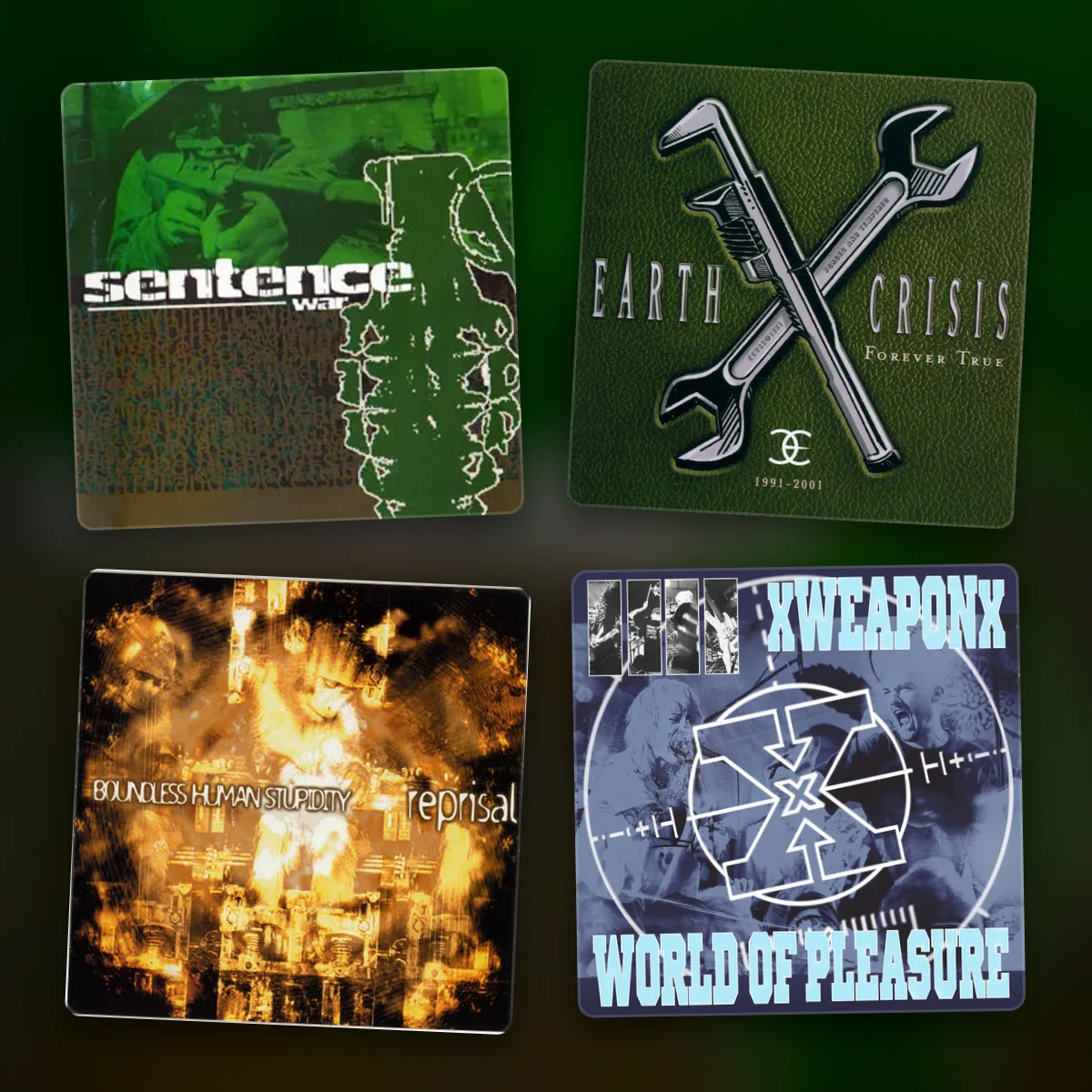
War
Sentence
2021
A Tear in the Fabric of Life
Knocked Loose
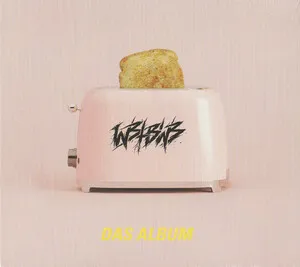
2021
Das Album
We Butter the Bread With Butter
2020
82nd All the Way
Amaranthe
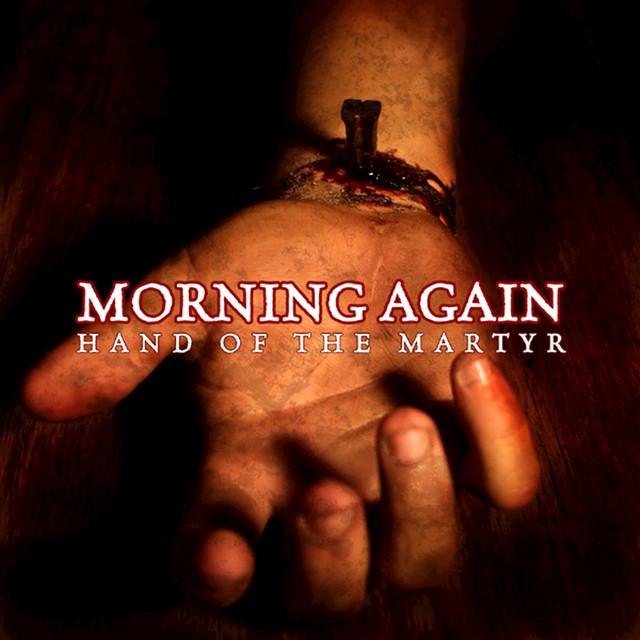
2002
Hand of the Martyr
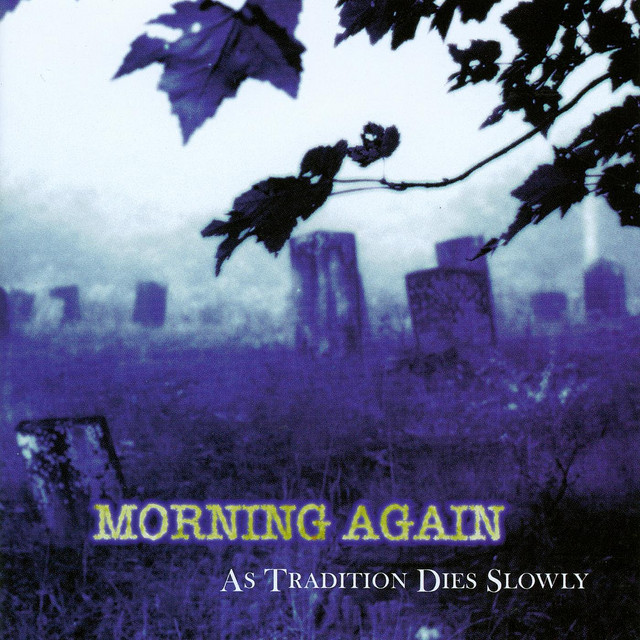
Morning Again
1998
As Tradition Dies Slowly
Morning Again
2019
Noisy Night Fever
Broken By The Scream
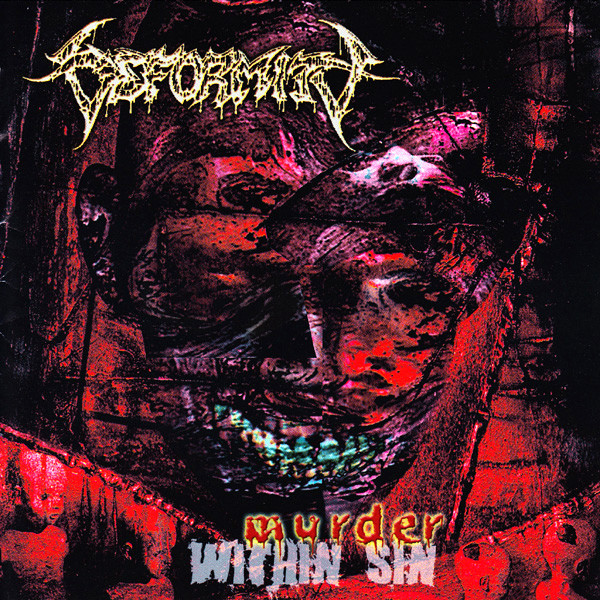
1999
Murder Within Sin
Deformity
2014
Coma Witch
The Acacia Strain
Download our mobile app
Get the Melodigging app and start digging for new genres on the go
Download on the App Store
Get it on Google Play
© 2026 Melodigging
Give feedback
Legal
Melodding was created as a tribute to
Every Noise at Once
, which inspired us to help curious minds keep digging into music's ever-evolving genres.