Genres
Make Music
Artists
Albums
Challenges
Sign in
Sign in
Albums
Albums
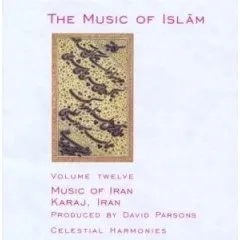
The Music of Islām: Volume Twelve - Music of Iran; Karaj, Iran
January 1, 1998
Listen
1
/5
Genres
Folk
Folk is a song-centered acoustic tradition rooted in community storytelling, everyday life, and social history. It emphasizes clear melodies, simple harmonies, and lyrics that foreground narrative, protest, and personal testimony. As a modern recorded genre, folk coalesced in the early-to-mid 20th century in the United States out of older ballad, work song, and rural dance traditions. It typically features acoustic instruments (guitar, banjo, fiddle, mandolin, harmonica), strophic song forms, and participatory singing (choruses, call-and-response).
Discover
Listen
Persian Classical
Persian classical (musiqi-e asil) is the art-music tradition of Iran centered on the modal system called dastgāh and its body of canonical melodies known as the radif. Performances are typically intimate and improvisation-forward, unfolding through a succession of gusheh (short melodic pieces) within a dastgāh, guided by recognizable cadential gestures (forud) and a central tone (shāhed). Its sound world features nuanced microtonal inflections using koron (lowered) and sori (raised) accidentals, fluid rhythmic freedom in avāz (non-metric improvisation), and contrasting metered forms like pishdarāmad, chahārmezrāb, tasnif (song), and reng (dance). Core instruments include tar, setar, kamancheh, santur, ney, and tombak (tonbak), with the human voice employing elaborate ornaments (tahrir). The repertoire draws on classical Persian poetry (Hafez, Rumi, Saadi), creating a contemplative, mystical, and deeply expressive aesthetic.
Discover
Listen
Classical
Classical music is the notated art-music tradition of Europe and its global descendants, characterized by durable forms, carefully codified harmony and counterpoint, and a literate score-based practice. The term “classical” can refer broadly to the entire Western art-music lineage from the Medieval era to today, not just the Classical period (c. 1750s–1820s). It privileges long-form structures (such as symphonies, sonatas, concertos, masses, and operas), functional or modal harmony, thematic development, and timbral nuance across ensembles ranging from solo instruments to full orchestras and choirs. Across centuries, the style evolved from chant and modal polyphony to tonal harmony, and later to post-tonal idioms, while maintaining a shared emphasis on written notation, performance practice, and craft.
Discover
Listen
Similar albums
2021
That Funny Feeling
Phoebe Bridgers
2005
The Civil War (Original Soundtrack Recording)
Bernice Johnson Reagon
1954
Haitian Dances
Frantz Casseus
2002
Concerto Al Andalus
Marcel Khalife
2021
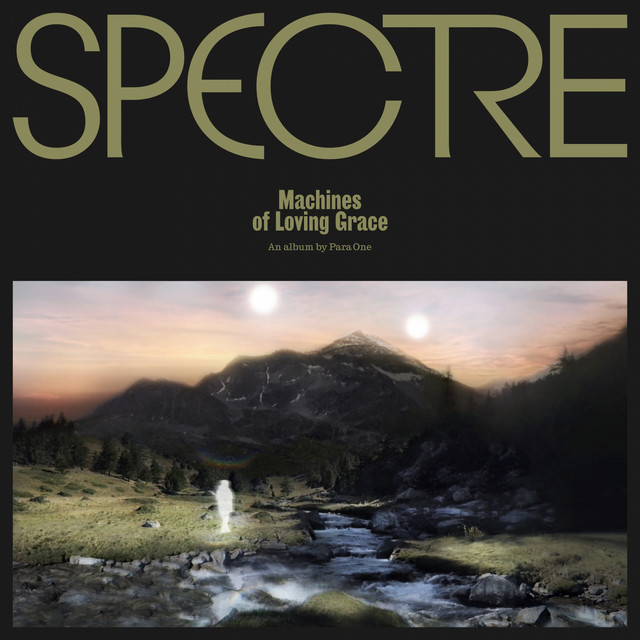
SPECTRE: Machines of Loving Grace
Para One
2013
Psychostasia
Daemonia Nymphe Δαιμόνια Νύμφη
2002
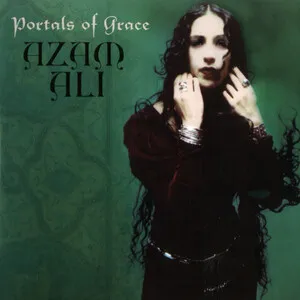
Portals of Grace
Azam Ali
2019
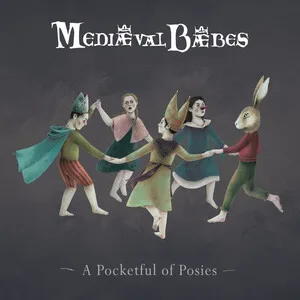
A Pocketful of Posies
Mediæval Bæbes
1991
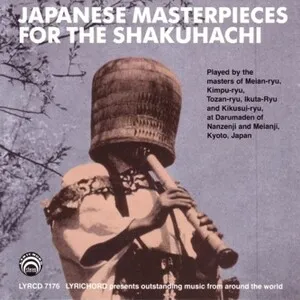
Japanese Masterpieces for the Shakuhachi
2006
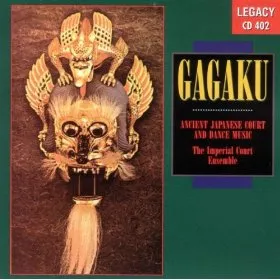
Gagaku: Ancient Japanese Court and Dance Music
The Imperial Court Ensemble
Download our mobile app
Get the Melodigging app and start digging for new genres on the go
Download on the App Store
Get it on Google Play
© 2026 Melodigging
Give feedback
Legal
Melodding was created as a tribute to
Every Noise at Once
, which inspired us to help curious minds keep digging into music's ever-evolving genres.