Genres
Make Music
Artists
Albums
Challenges
Sign in
Sign in
Albums
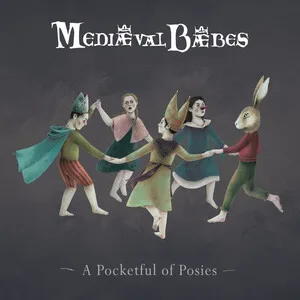
By Mediæval Bæbes
Albums
By Mediæval Bæbes
A Pocketful of Posies
June 21, 2019
Listen
1
/5
Genres
Folk
Folk is a song-centered acoustic tradition rooted in community storytelling, everyday life, and social history. It emphasizes clear melodies, simple harmonies, and lyrics that foreground narrative, protest, and personal testimony. As a modern recorded genre, folk coalesced in the early-to-mid 20th century in the United States out of older ballad, work song, and rural dance traditions. It typically features acoustic instruments (guitar, banjo, fiddle, mandolin, harmonica), strophic song forms, and participatory singing (choruses, call-and-response).
Discover
Listen
Nursery Rhymes
Nursery rhymes are short, memorable songs or chants for young children, typically built around rhyme, repetition, and simple melodies. They often accompany fingerplays, clapping games, counting routines, or circle dances, and are designed to aid language acquisition, memory, coordination, and social play. While many texts are centuries old, the tunes and arrangements vary by region and era; common musical traits include major keys, limited vocal range, steady tempos, and easy call-and-response structures. Today, nursery rhymes live in books, classrooms, playgrounds, recordings, and digital videos, functioning both as cultural heritage and practical tools for early childhood development.
Discover
Listen
Classical
Classical music is the notated art-music tradition of Europe and its global descendants, characterized by durable forms, carefully codified harmony and counterpoint, and a literate score-based practice. The term “classical” can refer broadly to the entire Western art-music lineage from the Medieval era to today, not just the Classical period (c. 1750s–1820s). It privileges long-form structures (such as symphonies, sonatas, concertos, masses, and operas), functional or modal harmony, thematic development, and timbral nuance across ensembles ranging from solo instruments to full orchestras and choirs. Across centuries, the style evolved from chant and modal polyphony to tonal harmony, and later to post-tonal idioms, while maintaining a shared emphasis on written notation, performance practice, and craft.
Discover
Listen
Medieval
Medieval music refers to the diverse sacred and secular musical practices of Europe between the fall of the Western Roman Empire and the dawn of the Renaissance. It spans more than eight centuries, from early monophonic chant to the first notated polyphony. Core features include the use of church modes rather than major/minor, extensive reliance on vocal music (Latin sacred chant as well as vernacular song), and the progressive development from unmeasured chant to rhythmic modal notation and, later, mensural notation. Texture evolves from monophony (plainchant, troubadour songs) to organum, conductus, and the motet, culminating in complex isorhythmic works by the late 13th–14th centuries. Secular traditions—troubadours and trouvères in France, Minnesänger in German lands, and the Iberian Cantigas—coexisted with and influenced sacred practice. Instruments such as the vielle, harp, psaltery, recorder, shawm, hurdy-gurdy, and portative organ often doubled or accompanied voices, though much music remained purely vocal.
Discover
Listen
Similar albums
2021
That Funny Feeling
Phoebe Bridgers
2005
The Civil War (Original Soundtrack Recording)
Bernice Johnson Reagon
1954
Haitian Dances
Frantz Casseus
2002
Concerto Al Andalus
Marcel Khalife
2021
SPECTRE: Machines of Loving Grace
Para One
1985
A Feather on the Breath of God
Hildegard von Bingen
2013
Psychostasia
Daemonia Nymphe Δαιμόνια Νύμφη
2002
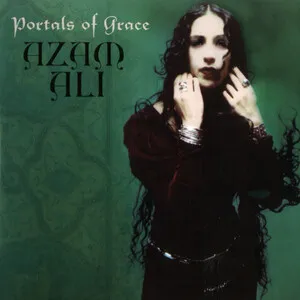
Portals of Grace
Azam Ali
2001
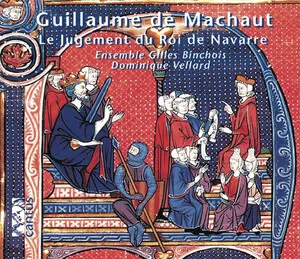
Le jugement du Roi de Navarre
Guillaume de Machaut / Ensemble Gilles Binchois / Dominique Vellard
1986
Cantigas de Santa Maria
Alfonso X "El Sabio" / Esther Lamandier
Download our mobile app
Get the Melodigging app and start digging for new genres on the go
Download on the App Store
Get it on Google Play
© 2026 Melodigging
Give feedback
Legal
Melodding was created as a tribute to
Every Noise at Once
, which inspired us to help curious minds keep digging into music's ever-evolving genres.