Genres
Make Music
Artists
Albums
Challenges
Sign in
Sign in
Albums
By The Neanderthals
Albums
By The Neanderthals
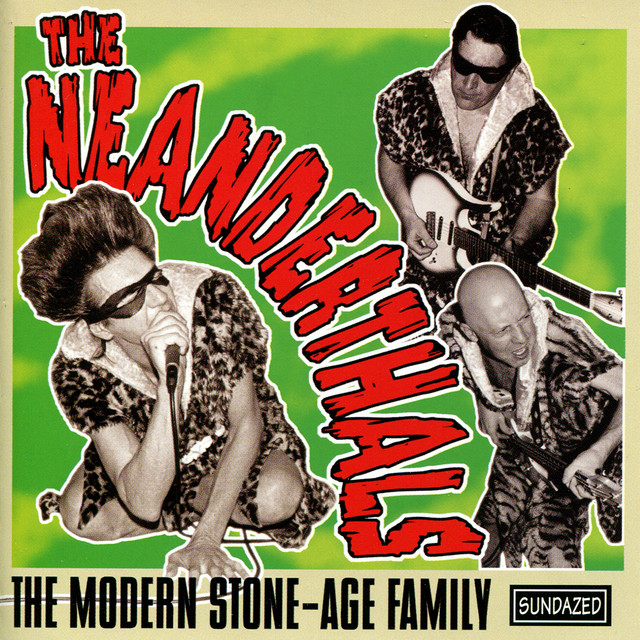
The Modern Stone Age Family
1999
Listen
1
/5
Genres
Trash Rock
Trash rock is a raw, raucous strain of garage-rooted rock ’n’ roll that revels in low‑fidelity recording, overdriven guitars, and unpretentious, party-forward energy. It embraces the “trash” aesthetic in both sound and imagery: fuzzed-out riffs, pounding two-and-four backbeats, Farfisa/organ stabs or honking sax, shout‑along choruses, and a blown‑speaker mix that feels more like a basement or dive bar than a pristine studio. Stylistically, it pulls heavily from 1950s rock and roll, 1960s garage, surf, and frat rock, filtered through the attitude of late-1970s/1980s punk and proto‑punk. Songs are short, hooky, and deliberately primitive—often built on I–IV–V changes, blues scales, and stomping rhythms—while lyrics celebrate B‑movies, hot rods, lust, mischief, and general teenage delinquency. The result is a high-octane, danceable, and gloriously unrefined form of rock made for sweaty rooms and wild nights.
Discover
Listen
Garage Rock
Garage rock is a raw, energetic style of rock music that emerged in the mid-1960s from local scenes across North America. Typically performed by amateur or semi-professional teenage bands in basements and suburban garages, the sound is unpolished and immediate, favoring feel over finesse. Its hallmarks include distorted guitars, pounding drums, simple chord progressions (often I–IV–V), prominent Farfisa/Vox organ riffs, and shouted, attitude-heavy vocals. Songs are short, hooky, and driven by rhythmic urgency, with lyrics about teenage love, boredom, rebellion, and swagger. The style became a direct ancestor of proto-punk and punk rock, prized for its do-it-yourself spirit and visceral impact.
Discover
Listen
Rock
Rock is a broad family of popular music centered on amplified instruments, a strong backbeat, and song forms that foreground riffs, choruses, and anthemic hooks. Emerging from mid‑20th‑century American styles like rhythm & blues, country, and gospel-inflected rock and roll, rock quickly expanded in scope—absorbing folk, blues, and psychedelic ideas—while shaping global youth culture. Core sonic markers include electric guitar (often overdriven), electric bass, drum kit emphasizing beats 2 and 4, and emotive lead vocals. Rock songs commonly use verse–chorus structures, blues-derived harmony, and memorable melodic motifs, ranging from intimate ballads to high‑energy, stadium‑sized performances.
Discover
Listen
Rockabilly
Rockabilly is one of the earliest styles of rock and roll, fusing the twang and storytelling of Southern country ("hillbilly") with the driving backbeat and boogie of rhythm & blues and jump blues. It is marked by slap‑back echo on vocals and guitar, slapping upright bass, twangy hollow‑body electrics, and energetic, danceable grooves. The classic rockabilly sound emerged from mid‑1950s Memphis studios such as Sun Records, where minimal drum kits (or none at all) mixed with percussive bass and bright, overdriven guitars. Songs are typically short, hooky, and built on 12‑bar blues or simple I–IV–V progressions, with lyrics about love, cars, dancing, and youthful rebellion.
Discover
Listen
Similar albums
1981
Psychedelic Jungle
The Cramps
2007
Best of the Haze
Hasil Adkins
1994
Jack the Ripper
Link Wray & The Wraymen
1994
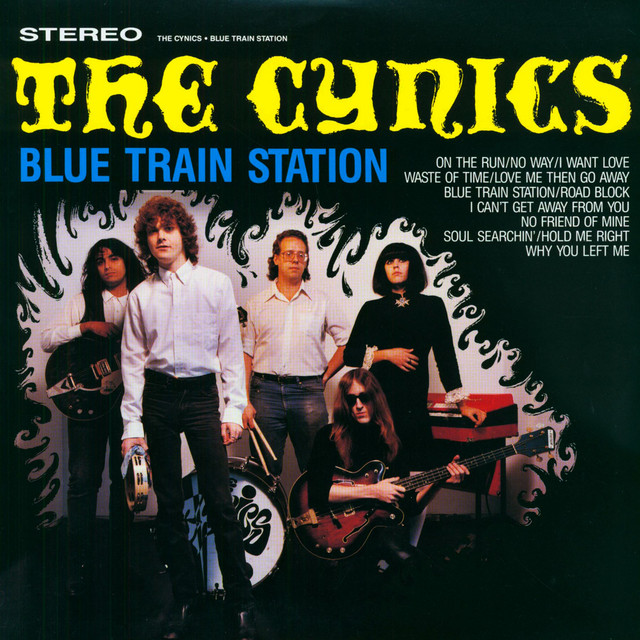
Blue Train Station
The Cynics
2005
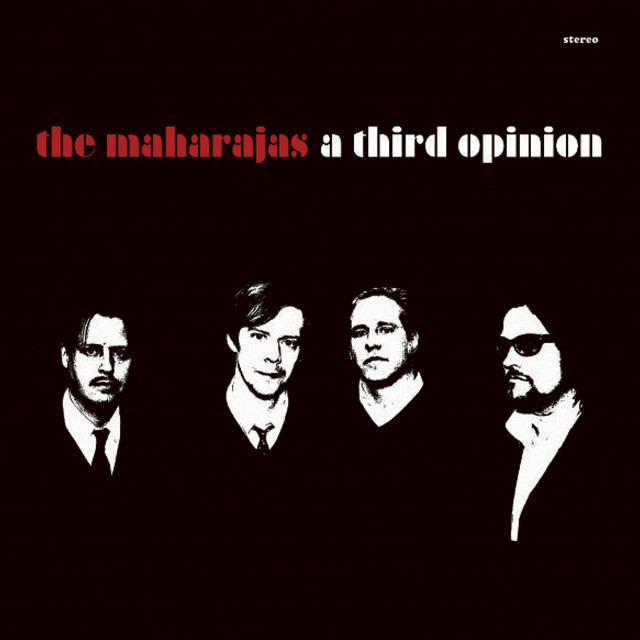
A Third Opinion
The Maharajas
2015
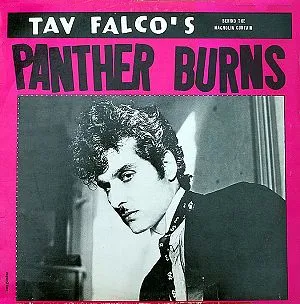
Behind the Magnolia Curtain
Tav Falco's Panther Burns
1994
Get Our Way
The Cynics
2013
AM
Arctic Monkeys
2020
The New Abnormal
The Strokes
2003
Elephant
The White Stripes
Download our mobile app
Get the Melodigging app and start digging for new genres on the go
Download on the App Store
Get it on Google Play
© 2026 Melodigging
Give feedback
Legal
Melodding was created as a tribute to
Every Noise at Once
, which inspired us to help curious minds keep digging into music's ever-evolving genres.