Genres
Make Music
Artists
Albums
Challenges
Sign in
Sign in
Albums
By Voxtra
Albums
By Voxtra
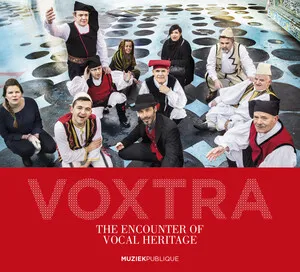
The Encounter of Vocal Heritage
September 24, 2016
Listen
1
/5
Genres
Sardinian Folk Music
Sardinian folk music is the traditional music of Sardinia (Italy), characterized by striking vocal polyphony, ancient reed-pipe instruments, and a living dance repertory. Its best-known vocal form is cantu a tenore, a four-part, overtone-rich male polyphony featuring the parts bassu, contra, mesu 'oche, and 'oche (solo), now recognized by UNESCO as Intangible Cultural Heritage. Equally prominent are devotional and paraliturgical songs (gosos/cuncordu), improvised poetic forms (mutetu), lament songs (attitu), and the guitar-accompanied cantu a chitarra/chiterra. Instrumentally, Sardinia is famed for the launeddas, an ancient triple-pipe cane instrument played with circular breathing, as well as the organetto (diatonic accordion) that drives social dances like ballu tundu, passu torrau, and su dillu. Melodies favor modal inflections (often Dorian, Aeolian, and Mixolydian), sustained drones, and heterophonic textures, while lyrics are predominantly in Sardinian varieties (Logudorese, Campidanese), Gallurese, Algherese Catalan, and Italian.
Discover
Listen
Albanian Folk Music
Albanian folk music encompasses a rich tapestry of northern Gheg epic song traditions and southern Tosk iso‑polyphony, shaped by centuries of life in the Balkans and the eastern Mediterranean. The northern repertories center on narrative ballads and heroic epics accompanied by the single‑string lahuta and the two‑string çifteli, alongside flutes (fyell) and frame drums. In the south, small saze ensembles (clarinet, violin, llautë/lute, accordion, and frame drum) support highly ornamented melodies and the celebrated iso‑polyphonic singing whose sustained drone (iso) underpins interlocking solo and choral parts. Melodically, Albanian folk often uses modal scales with augmented seconds and melisma reminiscent of maqam and Byzantine chant, while rhythmically it spans simple duple dances to asymmetric aksak meters (5/8, 7/8, 9/8, 11/8). Lyrics portray love, landscape, exile, and honor (besa), with regional colors that remain distinct yet complementary across the country and the Albanian‑speaking world.
Discover
Listen
Cantu A Tenore
Cantu a tenore is a four-part, male a cappella polyphony from the Barbagia region of central Sardinia (Italy). It is performed by small ensembles using distinct timbres that include an overtone-rich, guttural bass and a nasal lead voice. The four voices are typically called: oche or boghe (the solo lead that carries the text), mesu 'oche/mesa boghe (a middle part that thickens the texture), contra (a pressed, buzzing part that locks into the harmony), and bassu (a very low, growling part). Together they form hollow, open sonorities centered on perfect fourths and fifths with flexible, modal tunings. Texts often reflect pastoral life, love, dance, and community rituals, and performances occur in intimate circles at bars, festivals, and village gatherings. Recognized by UNESCO as intangible cultural heritage, cantu a tenore is both a living community practice and a striking example of Mediterranean multipart singing with unique timbral techniques.
Discover
Listen
Malagasy Music
Malagasy music refers to the extraordinarily diverse musical traditions of Madagascar, shaped by the island’s unique position between Africa and the Austronesian world. Its sound blends Indonesian-derived zithers and tunings with African polyrhythms, call-and-response vocals, and, later, European harmony and song forms. Core instruments include the valiha (bamboo tube zither), marovany (box zither), kabosy (box guitar-lute), lokanga (fiddle), sodina (end-blown flute), and a range of drums such as the hazolahy. In the 20th century, guitar, accordion, and electric bands became common, powering high-energy dance styles like salegy and tsapiky alongside older courtly and theatrical traditions such as hiragasy. Across regions, styles vary widely: Merina highland repertoires favor intricate zithers and multipart singing; the northwest and coastal cities champion fast, rolling 6/8 grooves; the southwest features trance-like guitar ostinatos and communal choruses. The result is a living continuum that moves from intimate, harp-like textures to exuberant, electrified dance music.
Discover
Listen
Malagasy Folk Music
Malagasy folk music is the traditional music of Madagascar, shaped by the island’s Austronesian roots and centuries of contact with mainland Africa and the Indian Ocean world. It is characterized by distinctive plucked zithers (valiha and marovany), small box-lutes (kabosy), end-blown flutes (sodina), three-string fiddles (lokanga), frame and barrel drums, handclaps, and rich vocal traditions ranging from communal dance songs to funerary laments. Regional styles are highly diverse: the Highland vakodrazana/hira gasy ensembles emphasize interlocking zither ostinatos and choral call-and-response; coastal Sakalava and Betsimisaraka areas favor propulsive dance grooves that later fed into salegy; the southwest’s tsapiky and the south’s beko feature contrasting fast dance music and deep, modal vocal laments. Melodically, Highland repertoires often use anhemitonic pentatonic and modal scales reminiscent of Southeast Asia, while coastal repertoires reflect African rhythmic drive and, in some areas, Swahili/Arab melodic coloration. The result is a uniquely Malagasy sound—nimble, shimmering, and highly rhythmic, yet capable of great emotional depth.
Discover
Listen
Similar albums
2014
Bedia
Rajery
2001
Fanamby
Rajery
2015
Larg pa lo kor
Christine Salem
2015
Novarea (Chants sacrés et profanes de Sardaigne)
Cuncordu e Tenore de Orosei
1996
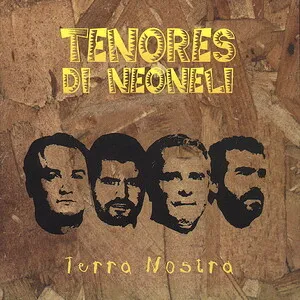
Terra Nostra
Tenores di Neoneli
1996
S'amore 'e mama
Tenores di Bitti
2007
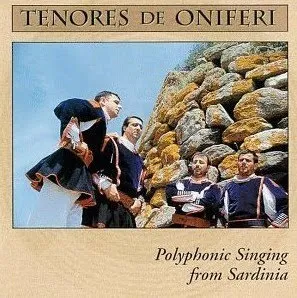
Polyphonic Singing from Sardinia
Tenore San Gavino de Oniferi
1994
The Long Way Home
Dama & D'Gary
2012
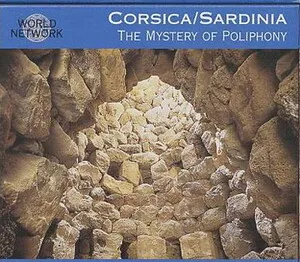
World Network Vol. 31: Corsica/Sardinia - The Mystery of Polyphony
1993
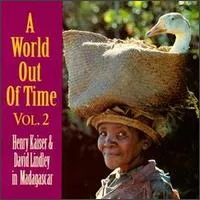
A World out of Time Vol. 2
Henry Kaiser & David Lindley
Download our mobile app
Get the Melodigging app and start digging for new genres on the go
Download on the App Store
Get it on Google Play
© 2026 Melodigging
Give feedback
Legal
Melodding was created as a tribute to
Every Noise at Once
, which inspired us to help curious minds keep digging into music's ever-evolving genres.