Genres
Make Music
Artists
Albums
Challenges
Sign in
Sign in
Albums
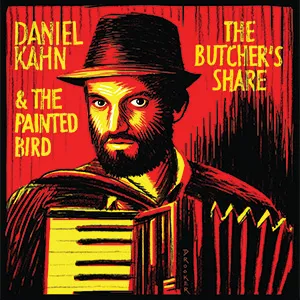
By Daniel Kahn & The Painted Bird
Albums
By Daniel Kahn & The Painted Bird
The Butcher's Share
November 17, 2017
Listen
2
/5
Genres
Gypsy Punk
Gypsy punk is a high-energy fusion of Eastern European/Romani folk traditions and Western punk-rock attitude. It combines the fast tempos, power-chord drive, and DIY ethos of punk with violins, accordions, brass, and dance rhythms drawn from Romani, Balkan, and klezmer repertoires. Songs often feature off-kilter meters (such as 7/8 or 9/8), melodic ornaments, and modes like harmonic minor and Phrygian dominant, while maintaining chantable choruses, gang vocals, and raucous stage theatrics. Lyrically, it embraces themes of migration, identity, resistance, and celebration, frequently delivered in multilingual vocals that reflect diasporic experience.
Discover
Listen
Klezmer
Klezmer is the traditional instrumental music of Ashkenazi Jews from Eastern Europe, originally performed by itinerant bands for weddings and communal celebrations. It is characterized by expressive, voice-like ornamentation (krekhts, slides, trills), flexible phrasing, and a repertoire of dance forms such as freylekhs, bulgar, sher, khosidl, and horas. Modal color is central: the freygish (Ahava Rabbah/Phrygian dominant) and Mi Sheberakh (Ukrainian Dorian) modes are common, lending the music its plaintive, celebratory, and at times bittersweet sound. Typical ensembles feature clarinet or violin as lead, with tsimbl (hammered dulcimer), accordion, trumpet/trombone, bass, and later American additions like piano and drum set. While rooted in Jewish liturgical and Hasidic song, klezmer absorbed 19th‑century European social dances (polka, waltz, mazurka) and Balkan/Romanian influences (notably the free-rhythm doina), producing a flexible style that moves from rhapsodic improvisation to propulsive dance tunes.
Discover
Listen
Ashkenazi Music
Ashkenazi music is the broad musical tradition of Jews from the medieval German lands and, later, Eastern Europe. It spans sacred chant and cantorial practice (khazones), devotional nigunim (wordless melodies), and a rich secular repertoire of Yiddish folk song and dance tunes. Its sound world draws on synagogue nusach (modal prayer formulas) and characteristic modes such as Ahava Rabbah/Freygish (Phrygian dominant) and Ukrainian Dorian, alongside Eastern and Central European folk idioms. Ornamented, melismatic vocal lines, heterophonic textures, and expressive rubato (as in the doina) are common. Instrumentally, the clarinet, violin, tsimbl (hammered dulcimer), accordion, and brass became central—especially in dance forms like freylekhs, bulgar, hora, sher, and khosidl. Lyrically, Yiddish and Hebrew texts range from pious yearning and mystical ecstasy to sharp social observation and celebration of communal life.
Discover
Listen
Similar albums
2009
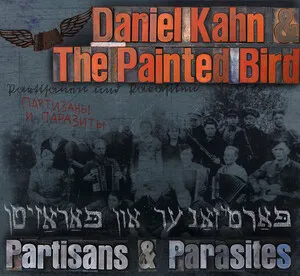
Partisans & Parasites פּאַרטיזאַנער און פּאַראַזיטר
Daniel Kahn & The Painted Bird
2003
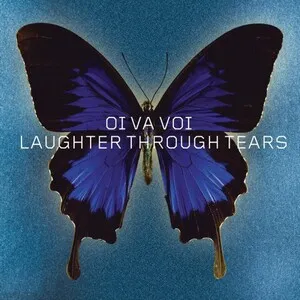
Laughter Through Tears
Oi Va Voi
2003
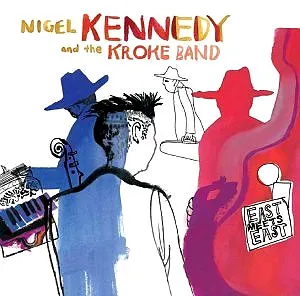
East Meets East
Nigel Kennedy & Kroke
2000
It's Understood
Estradasphere
2022
Everything Returns
Black Ox Orkestar
2009
Secrets
Mark Feldman, Uri Caine, Greg Cohen & Joey Baron
1998
The Circle Maker
John Zorn
2000
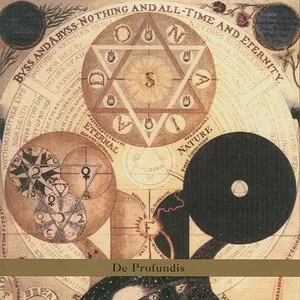
De Profundis
The Cracow Klezmer Band
2005
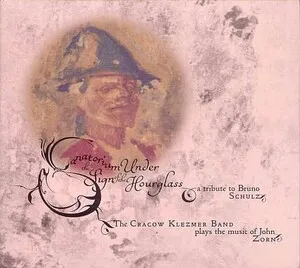
Sanatorium Under the Sign of the Hourglass: A Tribute to Bruno Schulz
The Cracow Klezmer Band
2019
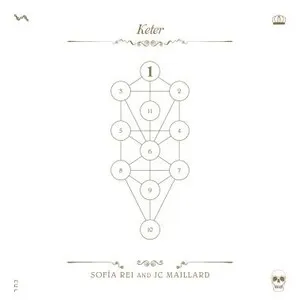
The Book Beri'ah Vol. 1: Keter
Sofía Rei & Jean-Christophe Maillard
Download our mobile app
Get the Melodigging app and start digging for new genres on the go
Download on the App Store
Get it on Google Play
© 2026 Melodigging
Give feedback
Legal
Melodding was created as a tribute to
Every Noise at Once
, which inspired us to help curious minds keep digging into music's ever-evolving genres.