Genres
Make Music
Artists
Albums
Challenges
Sign in
Sign in
Albums
By Mark Feldman, Uri Caine, Greg Cohen & Joey Baron
Albums
By Mark Feldman, Uri Caine, Greg Cohen & Joey Baron
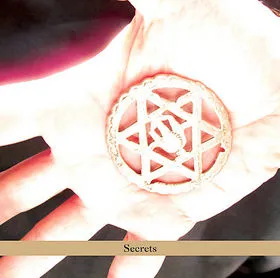
Secrets
January 27, 2009
Listen
1
/5
Genres
Klezmer
Klezmer is the traditional instrumental music of Ashkenazi Jews from Eastern Europe, originally performed by itinerant bands for weddings and communal celebrations. It is characterized by expressive, voice-like ornamentation (krekhts, slides, trills), flexible phrasing, and a repertoire of dance forms such as freylekhs, bulgar, sher, khosidl, and horas. Modal color is central: the freygish (Ahava Rabbah/Phrygian dominant) and Mi Sheberakh (Ukrainian Dorian) modes are common, lending the music its plaintive, celebratory, and at times bittersweet sound. Typical ensembles feature clarinet or violin as lead, with tsimbl (hammered dulcimer), accordion, trumpet/trombone, bass, and later American additions like piano and drum set. While rooted in Jewish liturgical and Hasidic song, klezmer absorbed 19th‑century European social dances (polka, waltz, mazurka) and Balkan/Romanian influences (notably the free-rhythm doina), producing a flexible style that moves from rhapsodic improvisation to propulsive dance tunes.
Discover
Listen
Hasidic Music
Hasidic music is the devotional and communal song tradition of Hasidic Judaism, centered on nigunim—repetitive, often wordless melodies intended to elevate the soul and intensify prayer. It spans meditative, slow pieces (devekut nigunim) and exuberant dance tunes (simcha nigunim) sung at tishes, weddings, and holidays. Historically shaped in Eastern Europe, Hasidic music blends Jewish liturgical modes and cantorial ornamentation with local folk and dance idioms. Performances are typically communal and participatory—built on call-and-response, cyclical repetition, and gradual emotional build-up—aimed not at virtuosity but at spiritual ascent and collective joy. In the modern era it also encompasses a popular "Hasidic pop" stream that adapts its melodic language to contemporary band formats.
Discover
Listen
Nigun
Nigun is a Jewish devotional melody, most strongly associated with the Hasidic movement, that is sung without words and built from vocables (such as “yai-dai-dai,” “bim-bam,” or “oy-oy”). Repetition and gradual intensification are central: the same short phrase is cycled many times, gathering emotion, volume, and tempo as participants join. Musically, nigunim are modal and often draw on Ashkenazi synagogue modes and Eastern European folk idioms. Common scales include Ahava Rabbah (Freygish/Phrygian dominant), Adonai Malakh (Mixolydian flavor), Misheberakh (major), and Mogen Ovos (minor). Rhythms range from slow, free-meter dveykus (adhesive/meditative) nigunim to lively dance forms in 2/4 or 3/4 suited to communal circle dances. Nigun is primarily vocal and communal, but it can be supported instrumentally by fiddle/violin, clarinet, accordion, tsimbl (hammered dulcimer), and handclaps. Ornamentation (slides, sob-like krekhts, and sighing turns) reinforces its expressive, prayer-like character.
Discover
Listen
Ashkenazi Music
Ashkenazi music is the broad musical tradition of Jews from the medieval German lands and, later, Eastern Europe. It spans sacred chant and cantorial practice (khazones), devotional nigunim (wordless melodies), and a rich secular repertoire of Yiddish folk song and dance tunes. Its sound world draws on synagogue nusach (modal prayer formulas) and characteristic modes such as Ahava Rabbah/Freygish (Phrygian dominant) and Ukrainian Dorian, alongside Eastern and Central European folk idioms. Ornamented, melismatic vocal lines, heterophonic textures, and expressive rubato (as in the doina) are common. Instrumentally, the clarinet, violin, tsimbl (hammered dulcimer), accordion, and brass became central—especially in dance forms like freylekhs, bulgar, hora, sher, and khosidl. Lyrically, Yiddish and Hebrew texts range from pious yearning and mystical ecstasy to sharp social observation and celebration of communal life.
Discover
Listen
Similar albums
2003
Laughter Through Tears
Oi Va Voi
2015
צמאה 1 - אמנים שרים את ניגוני הרבי מלובביץ׳ (Tzama 1 - Artists Sing the Lubavitcher Rebbe Tunes)
2003
East Meets East
Nigel Kennedy & Kroke
2017
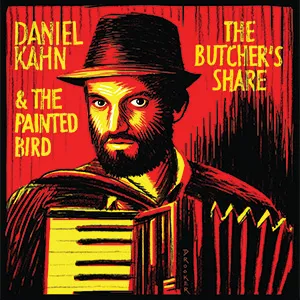
The Butcher's Share
Daniel Kahn & The Painted Bird
2009
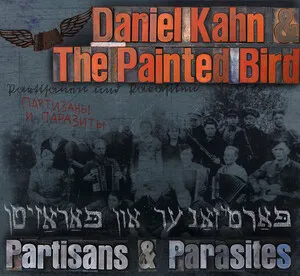
Partisans & Parasites פּאַרטיזאַנער און פּאַראַזיטר
Daniel Kahn & The Painted Bird
2019
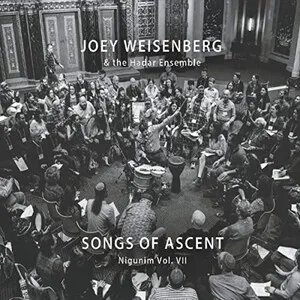
Nigunim, Vol. VII: Songs of Ascent
Joey Weisenberg & The Hadar Ensemble
2014
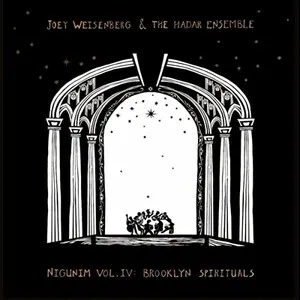
Nigunim, Vol. IV: Brooklyn Spirituals
Joey Weisenberg & The Hadar Ensemble
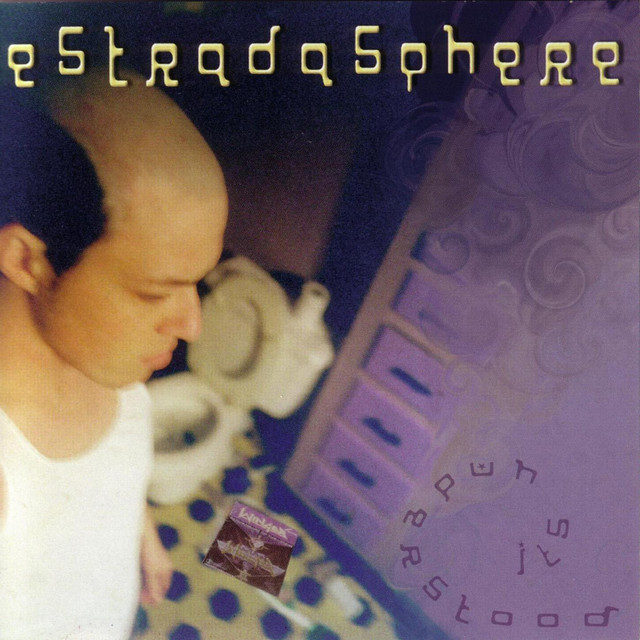
2000
It's Understood
Estradasphere
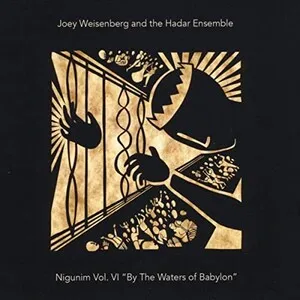
2017
Nigunim, Vol. VI: By the Waters of Babylon
Joey Weisenberg & The Hadar Ensemble
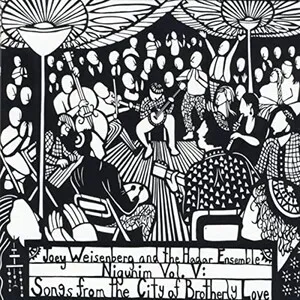
2016
Nigunim, Vol. V: Songs from the City of Brotherly Love
Joey Weisenberg & The Hadar Ensemble
Download our mobile app
Get the Melodigging app and start digging for new genres on the go
Download on the App Store
Get it on Google Play
© 2026 Melodigging
Give feedback
Legal
Melodding was created as a tribute to
Every Noise at Once
, which inspired us to help curious minds keep digging into music's ever-evolving genres.