Genres
Make Music
Artists
Albums
Challenges
Sign in
Sign in
Albums
By Chumbawamba
Albums
By Chumbawamba
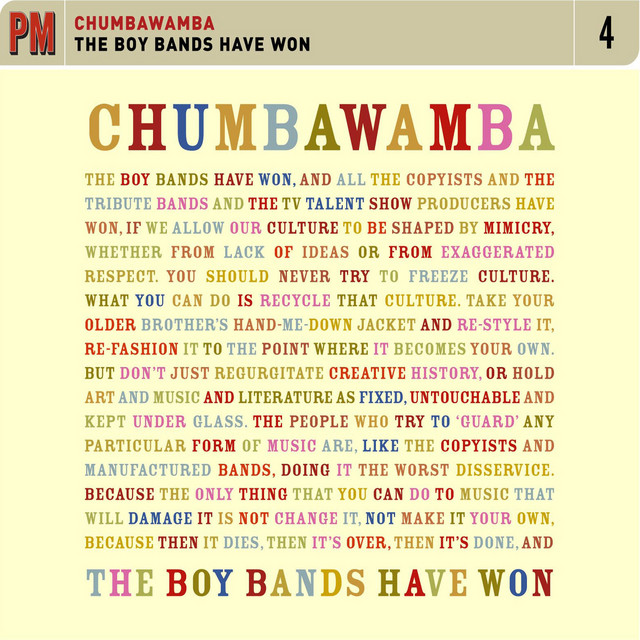
The Boy Bands Have Won
June 17, 2008
Listen
1
/5
Genres
Alternative
Alternative is an umbrella term for non-mainstream popular music that grew out of independent and college-radio scenes. It emphasizes artistic autonomy, eclectic influences, and a willingness to subvert commercial formulas. Sonically, alternative often blends the raw immediacy of punk with the mood and texture of post-punk and new wave, adding elements from folk, noise, garage, and experimental rock. While guitars, bass, and drums are typical, production ranges from lo-fi to stadium-ready, and lyrics tend toward introspection, social critique, or surreal storytelling. Over time, “alternative” became both a cultural stance and a market category, spawning numerous substyles (alternative rock, alternative hip hop, alternative pop, etc.) and moving from underground circuits to mainstream prominence in the 1990s.
Discover
Listen
Anarcho-Punk
Anarcho-punk is a politically charged strand of punk that explicitly promotes anarchist and anti-authoritarian ideas. Emerging in the late 1970s United Kingdom, it fused the speed and abrasion of punk with an uncompromising DIY ethic, collective organization, and a culture of zines, benefit gigs, and independent labels. Musically, anarcho-punk leans on raw guitars, driving 4/4 rhythms, shouted or chant-like vocals, and concise song forms, but it often incorporates spoken-word, noise, sound collage, and experimental interludes to underscore its messages. Lyrically, it addresses anti-war and anti-nuclear activism, animal liberation, environmentalism, anti-capitalism, feminism, and social justice. Its stark black-and-white stencil aesthetic—iconic in sleeves, patches, and posters—became as recognizable as its sound.
Discover
Listen
Rock
Rock is a broad family of popular music centered on amplified instruments, a strong backbeat, and song forms that foreground riffs, choruses, and anthemic hooks. Emerging from mid‑20th‑century American styles like rhythm & blues, country, and gospel-inflected rock and roll, rock quickly expanded in scope—absorbing folk, blues, and psychedelic ideas—while shaping global youth culture. Core sonic markers include electric guitar (often overdriven), electric bass, drum kit emphasizing beats 2 and 4, and emotive lead vocals. Rock songs commonly use verse–chorus structures, blues-derived harmony, and memorable melodic motifs, ranging from intimate ballads to high‑energy, stadium‑sized performances.
Discover
Listen
Folk
Folk is a song-centered acoustic tradition rooted in community storytelling, everyday life, and social history. It emphasizes clear melodies, simple harmonies, and lyrics that foreground narrative, protest, and personal testimony. As a modern recorded genre, folk coalesced in the early-to-mid 20th century in the United States out of older ballad, work song, and rural dance traditions. It typically features acoustic instruments (guitar, banjo, fiddle, mandolin, harmonica), strophic song forms, and participatory singing (choruses, call-and-response).
Discover
Listen
Similar albums
2008
The Boy Bands Have Won
Chumbawamba
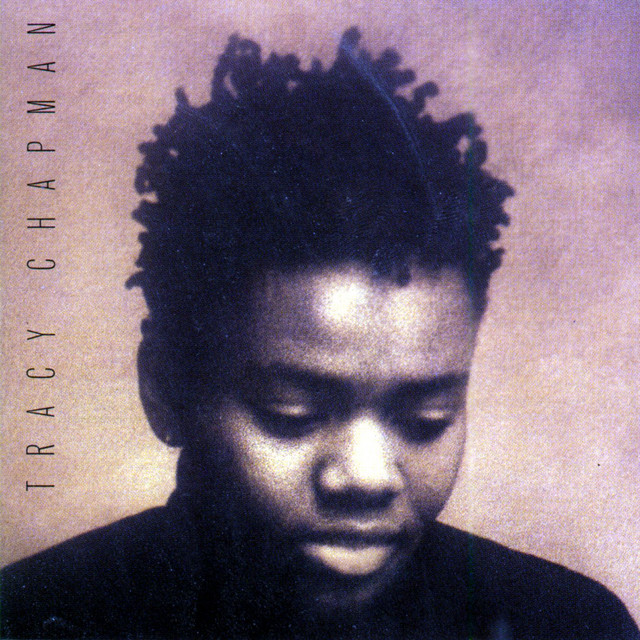
1988
Tracy Chapman
Tracy Chapman
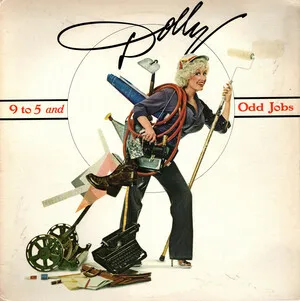
1980
9 to 5 and Odd Jobs
Dolly Parton
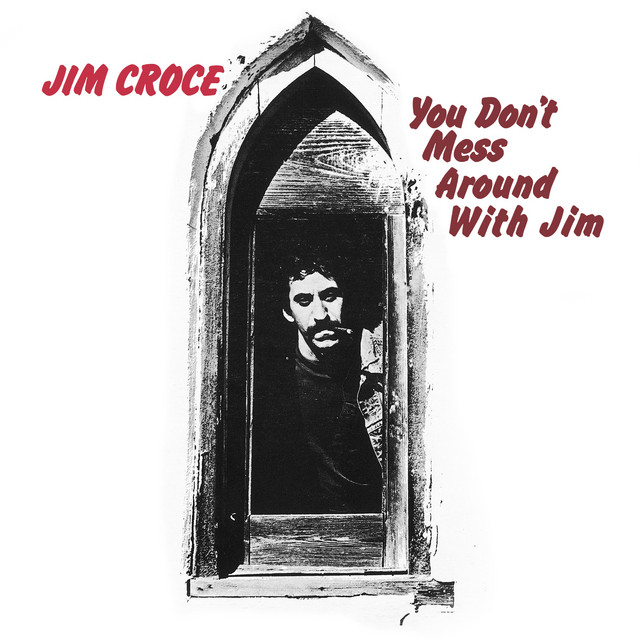
1972
You Don't Mess Around With Jim
Jim Croce
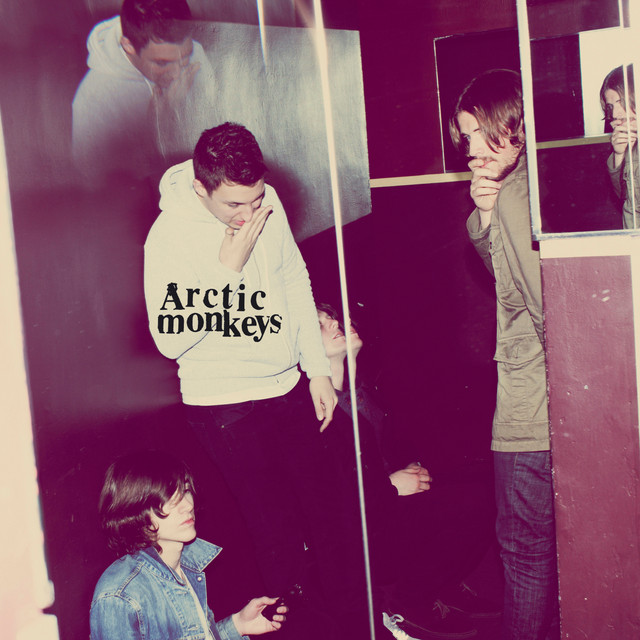
2009
Humbug
Arctic Monkeys
2006
Cars (Original Motion Picture Soundtrack)
James Taylor
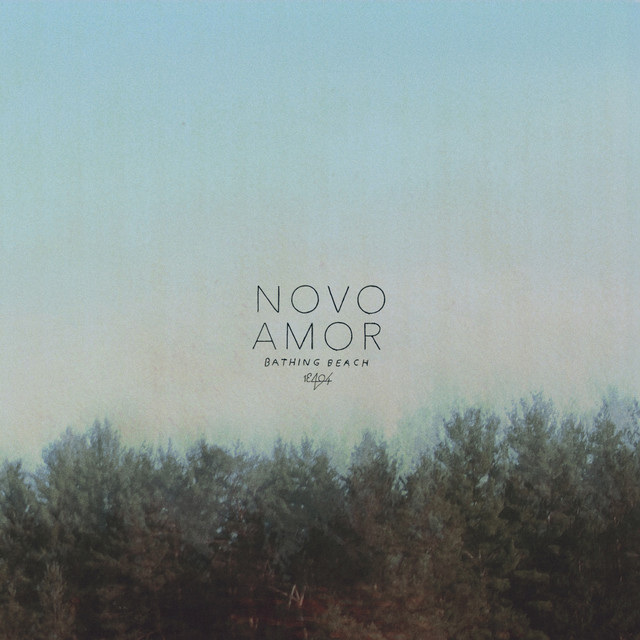
2017
Bathing Beach
Novo Amor
2009
This Empty Northern Hemisphere
Gregory Alan Isakov
2005
All the Right Reasons
Nickelback
1971
Tapestry
Carole King
Download our mobile app
Get the Melodigging app and start digging for new genres on the go
Download on the App Store
Get it on Google Play
© 2026 Melodigging
Give feedback
Legal
Melodding was created as a tribute to
Every Noise at Once
, which inspired us to help curious minds keep digging into music's ever-evolving genres.