Genres
Artists
Albums
Make Music
Sign in
Sign in
Albums
By John Williams
Albums
By John Williams
The Adventures of Tintin: The Secret of the Unicorn
October 21, 2011
Listen
Genres
Cinematic Classical
Cinematic classical is a contemporary stream of concert and media-oriented composition that merges classical orchestration with the pacing, narrative arcs, and textural sound design of film music. Typically centered on piano and strings, it favors slow-moving harmonies, ostinatos, spacious reverb, and emotive, diatonic melodies that build in dynamic intensity. Many works adopt a minimalist or post-minimalist vocabulary—repetition, gradual change, and clear tonal centers—while incorporating modern production techniques (felt piano, tape saturation, synth pads, subtle pulses) to achieve a widescreen, evocative sound. The style thrives both in standalone albums and in sync contexts (film, TV, trailers), where self-contained “cues” develop clear arcs—intro, build, climax, release—designed to support visual storytelling without sacrificing musical integrity.
Discover
Listen
Avant-Garde
Avant-garde music is an umbrella term for boundary-pushing practices that challenge prevailing norms of harmony, rhythm, timbre, form, and performance. It privileges experimentation, conceptual rigor, and a willingness to reframe what counts as music at all. Historically tied to early 20th‑century artistic modernism, avant-garde music introduced atonality, the emancipation of noise, and new forms of notation and process. It embraces indeterminacy, extended techniques, electronics, spatialization, and multimedia performance, treating sound as material to be sculpted, questioned, and reinvented.
Discover
Listen
Classical
Classical music is the notated art-music tradition of Europe and its global descendants, characterized by durable forms, carefully codified harmony and counterpoint, and a literate score-based practice. The term “classical” can refer broadly to the entire Western art-music lineage from the Medieval era to today, not just the Classical period (c. 1750s–1820s). It privileges long-form structures (such as symphonies, sonatas, concertos, masses, and operas), functional or modal harmony, thematic development, and timbral nuance across ensembles ranging from solo instruments to full orchestras and choirs. Across centuries, the style evolved from chant and modal polyphony to tonal harmony, and later to post-tonal idioms, while maintaining a shared emphasis on written notation, performance practice, and craft.
Discover
Listen
Similar albums
Hide discovered
2018
The Blue Notebooks (15 Years)
Max Richter
2013
The Hobbit: The Desolation of Smaug: Original Motion Picture Soundtrack
Howard Shore
2015
Distant Worlds III: More Music From Final Fantasy
Nobuo Uematsu 植松伸夫
1997
Sax Pax for a Sax
Moondog & The London Saxophonic
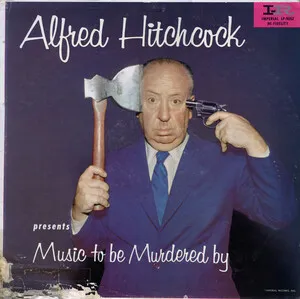
1958
Music to Be Murdered By
Alfred Hitchcock
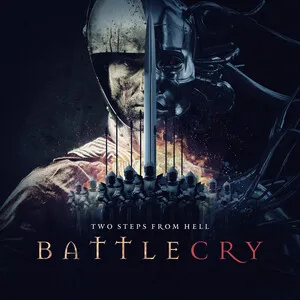
2015
Battlecry
Two Steps From Hell
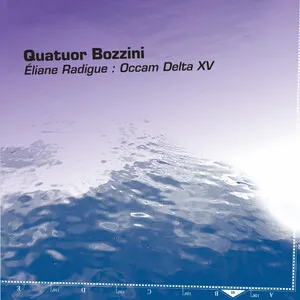
2023
Occam Delta XV
Eliane Radigue / Quatuor Bozzini
2001
Streichquartett Nr. 4; Elohim; Duo; Anagamin; Maknongan; Natura renovatur
Giacinto Scelsi / Klangforum Wien / Hans Zender
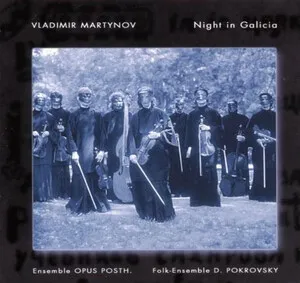
2001
Night in Galicia
Vladimir Martynov Владимир Мартынов / Opus Posth Ensemble Dmitry Pokrovsky Folk…
2012
SkyWorld
Two Steps From Hell
Download our mobile app
Get the Melodigging app and start digging for new genres on the go
Download on the App Store
Get it on Google Play
© 2026 Melodigging
Give feedback
Legal
Melodding was created as a tribute to
Every Noise at Once
, which inspired us to help curious minds keep digging into music's ever-evolving genres.