Genres
Make Music
Artists
Albums
Challenges
Sign in
Sign in
Albums
By Amorphis
Albums
By Amorphis
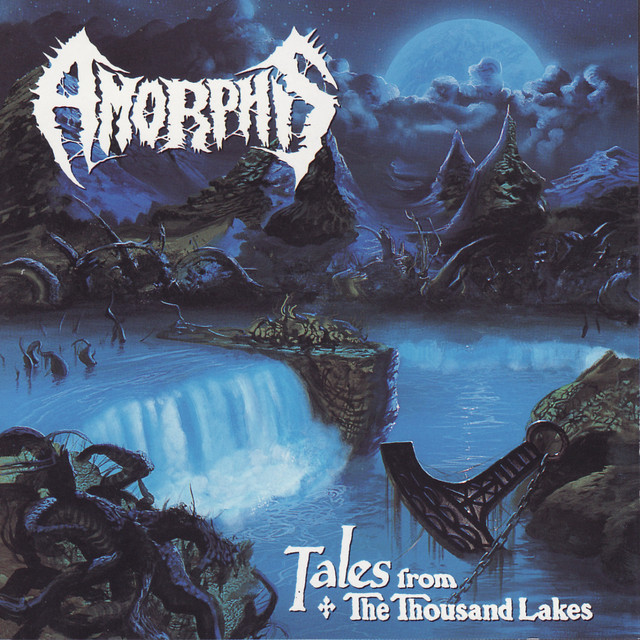
Tales From the Thousand Lakes
September 11, 1994
Listen
3
/5
Genres
Melodic Death Metal
Melodic death metal (often shortened to melodeath) blends the speed, aggression, and harsh vocals of death metal with the harmonized guitar leads, memorable melodies, and songcraft of traditional heavy metal and thrash. It is characterized by twin‑guitar harmonies, fast tremolo riffs, punchy palm‑muted rhythms, and growled or screamed vocals, often contrasted with catchy, clearly articulated lead lines. Compared to traditional death metal, the genre favors stronger tonal centers, consonant interval harmonies (thirds and sixths), and more accessible structures, while retaining double‑kick intensity and occasional blast beats. Production tends to be tighter and clearer than early death metal, and many bands incorporate keyboards for texture. The style is strongly associated with the early–mid 1990s Gothenburg scene in Sweden, though parallel strains also emerged in the UK and Finland.
Discover
Listen
Progressive Doom
Progressive doom is a fusion of doom metal’s weighty, slow-to-mid tempos and somber atmospheres with the adventurous songwriting and technical curiosity of progressive rock and progressive metal. Hallmarks include long, multi-part songs, frequent dynamic contrasts, unusual time signatures or metric shifts, and richly layered guitar harmonies. Clean vocals often intermingle with harsh growls, while keyboards, strings, or acoustic interludes broaden the palette beyond traditional doom. Lyrically, the genre leans toward existential, poetic, and conceptual themes, reinforcing an epic yet melancholic tone.
Discover
Listen
Death Metal
Death metal is an extreme subgenre of heavy metal defined by heavily distorted, low‑tuned guitars, rapid and complex riffing, blast beat drumming, and harsh guttural vocals. Its harmonic language favors chromaticism, dissonance, and tremolo-picked lines that create an ominous, abrasive atmosphere. Lyrically, death metal often explores dark or transgressive themes—mortality, mythology, anti-religion, psychological horror, and the macabre—sometimes with philosophical or social commentary. Production ranges from raw and cavernous to hyper-precise and technical, reflecting the genre’s many regional scenes and substyles. From the mid‑1980s Florida scene (Tampa) and parallel developments in the US, UK, and Sweden, death metal evolved into numerous branches including brutal death metal, technical death metal, melodic death metal, and death‑doom, each emphasizing different aspects of speed, complexity, melody, or heaviness.
Discover
Listen
Doom Metal
Doom metal is a heavy metal subgenre defined by slow to mid-tempo grooves, down-tuned, highly distorted guitars, and an atmosphere of dread, melancholy, and weight. It emphasizes ominous, minor-key riffs and sustained tones over speed or virtuosity, creating a crushing sense of space and inevitability. Vocals range from plaintive and theatrical (epic/traditional doom) to anguished wails or harsh growls (death-doom), and lyrics often explore themes of suffering, mortality, the occult, apocalyptic visions, and existential despair. Song structures are typically riff-centric and long-form, with repetition and gradual dynamic shifts producing a hypnotic, ritualistic feel.
Discover
Listen
Similar albums
2025
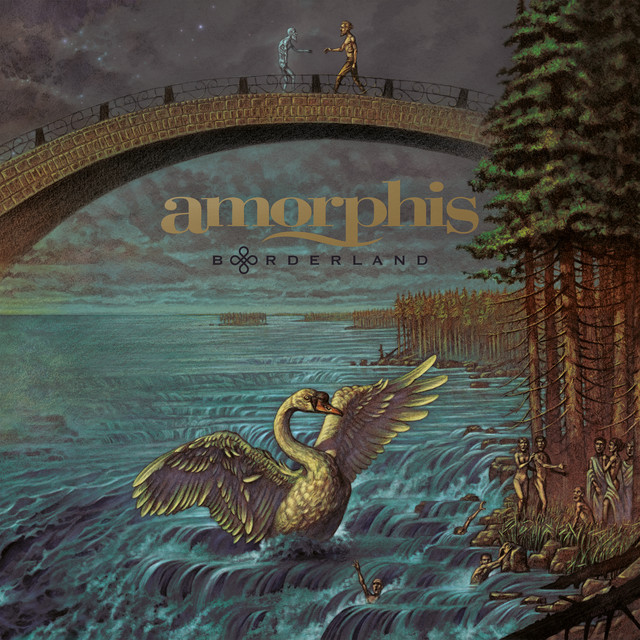
Borderland
Amorphis
2025
Crowned In Crimson
Amorphis
2025
Dancing Shadow
Amorphis
2025
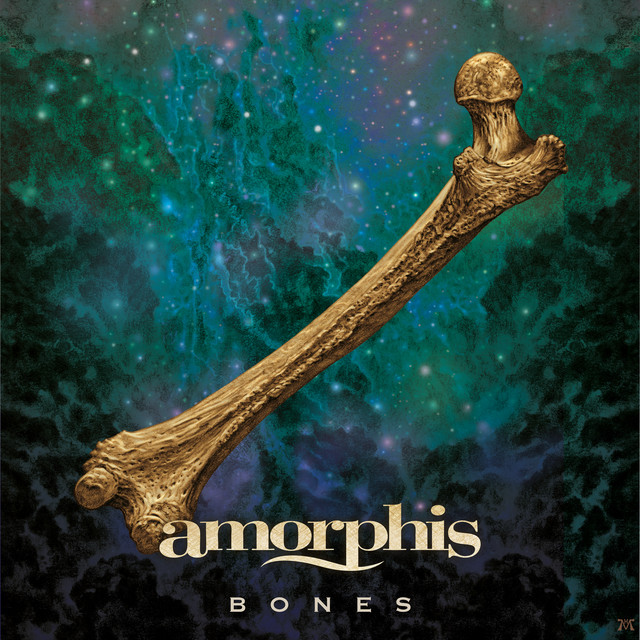
Bones
Amorphis
2025
Borderland
Amorphis
2018
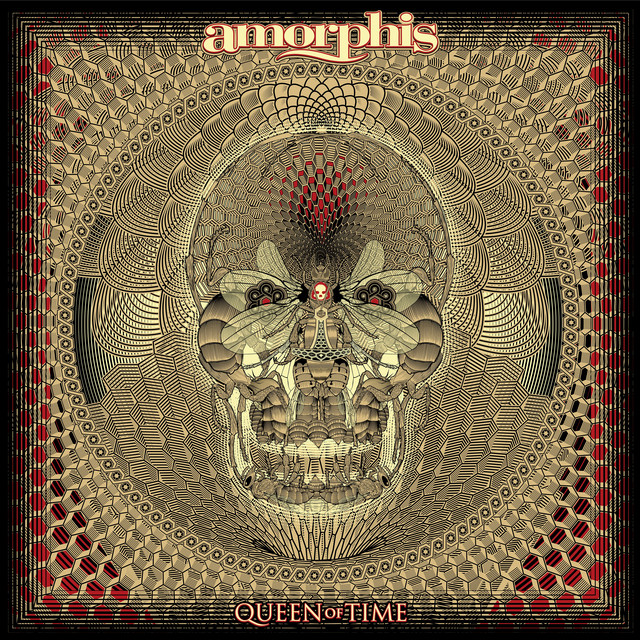
Queen of Time (Deluxe Edition)
Amorphis
1995
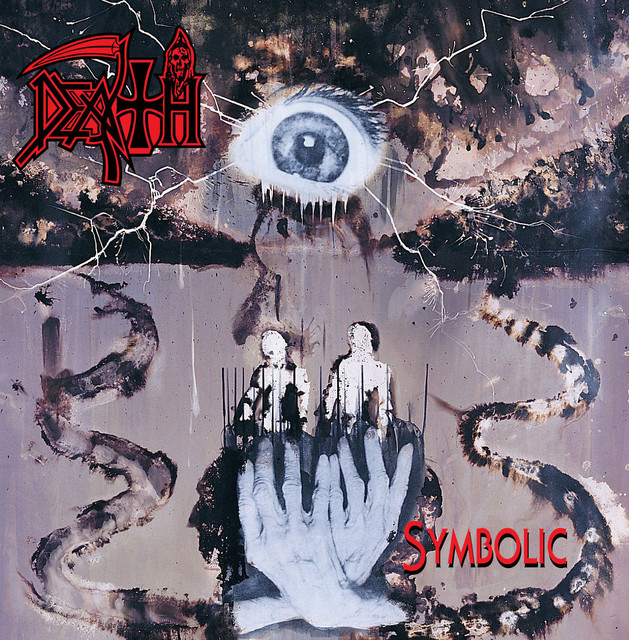
Symbolic
Death
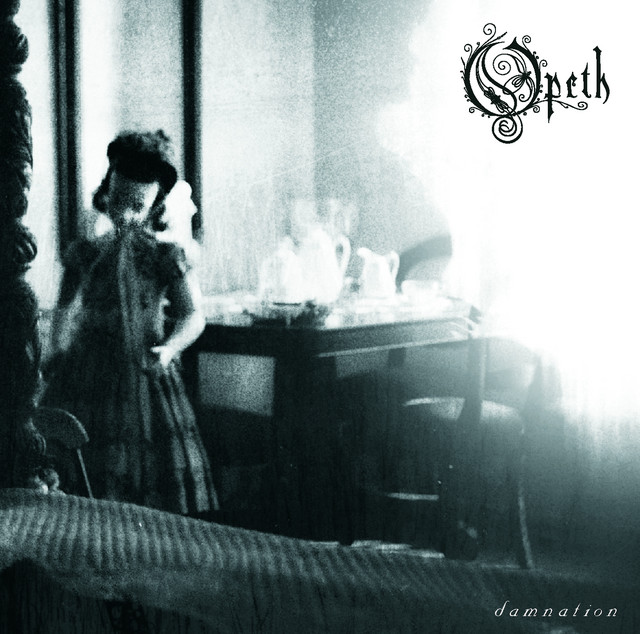
2003
Damnation
Opeth
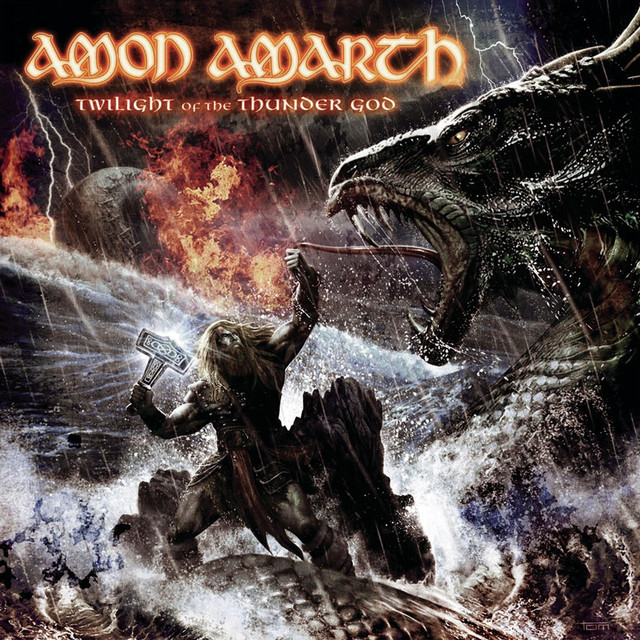
2008
Twilight Of The Thunder God
Amon Amarth
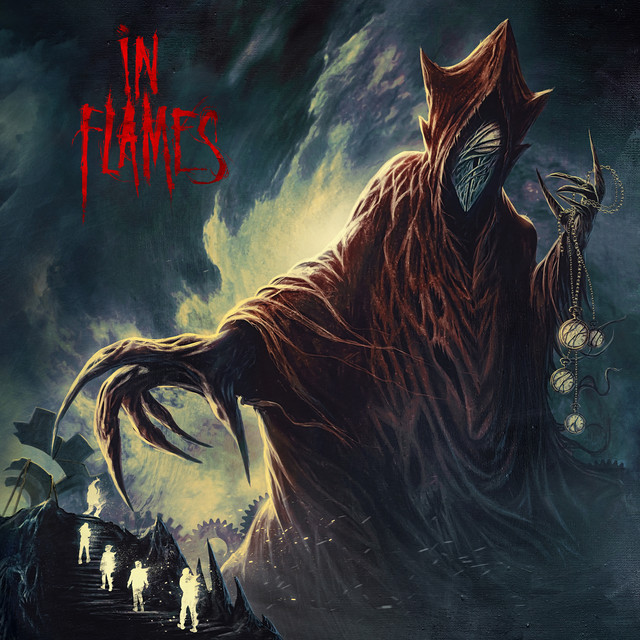
2023
Foregone
In Flames
Download our mobile app
Get the Melodigging app and start digging for new genres on the go
Download on the App Store
Get it on Google Play
© 2026 Melodigging
Give feedback
Legal
Melodding was created as a tribute to
Every Noise at Once
, which inspired us to help curious minds keep digging into music's ever-evolving genres.