Hill tribe music refers to the traditional musical practices of highland ethnic communities living across Northern Thailand and the adjoining uplands of mainland Southeast Asia. Core groups include Hmong (Miao), Karen (Sgaw and Pwo), Lahu, Lisu, Akha, Mien (Yao), Khmu, H’tin, Wa, Kachin and others. While each group maintains distinct repertoires, instruments, and vocal aesthetics, they share features such as bamboo aerophones and idiophones, pentatonic-centered scales, heterophonic textures, and performance contexts tied to agricultural cycles, courtship, household rituals, ancestor veneration, and communal festivals.
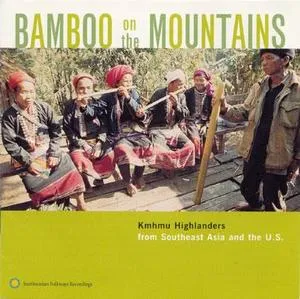
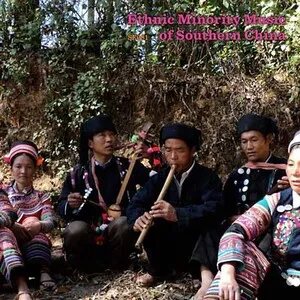
Characteristic instruments include bamboo free-reed mouth organs (e.g., Hmong qeej and related lusheng types), gourd flutes (hulusi), end-blown and duct flutes, jew’s harps, leaf instruments, frame and log drums, small gong sets, and lutes. Vocal music ranges from unmetered, speech-tone–shaped recitative to responsorial dance songs. Melodic organization often follows anhemitonic pentatonic patterns, with flexible meter and rhythmic cycles shaped by dance steps rather than by strict percussion patterns.