Genres
Make Music
Artists
Albums
Challenges
Sign in
Sign in
Albums
Albums
Suomalais-ugrilaista musiikkia (Tšeremissiläisiä, mordvalaisia ja votjakkilaisia kansansävelmiä) - Finno-Ugrian Music (…
January 1, 1971
Listen
1
/5
Genres
Mordvin Folk Music
Mordvin folk music is the traditional music of the Erzya and Moksha (collectively known as the Mordvin or Mordvins), a Finno-Ugric people of the middle Volga region in present-day Russia. It is primarily vocal and communal, featuring robust unison or gently diverging heterophony as well as simple two-part polyphony built around drones and parallel motion. The song repertory spans calendar and ritual songs, work songs, wedding laments, lullabies, historical narratives, and dance tunes. While a cappella group singing remains central, instruments heard in modern performance include regional flutes and hornpipes, frame drums and tambourines, the Russian garmon’ (button accordion), and occasionally plucked zithers and balalaika-family instruments. Lyrics are typically in Erzya or Moksha, with highly alliterative lines, nature imagery, and refrain-based structures.
Discover
Listen
Udmurt Folk Music
Udmurt folk music is the traditional music of the Udmurt people, a Permic (Uralic) ethnic group native to the Volga–Ural region. It is primarily vocal, featuring tight unison or gently heterophonic group singing, drones, and parallel motion that creates a plaintive yet luminous sonority. Melodies tend to be narrow-ranged and modal, often pentatonic or hexatonic, with free or gently pulsed rhythms in laments and more marked duple patterns in dance and ritual songs. Song texts are in the Udmurt language and revolve around agrarian cycles, weddings, family life, nature, and pre-Christian ritual imagery alongside later Christian influences. Typical instruments include the krez (a local psaltery/zither akin to the gusli), the chipchirgan (Udmurt Jew’s harp), end-blown flutes and reed pipes, frame drums, and, in more recent folk practice, the garmon (button accordion) and violin. Contemporary ensembles sometimes fuse traditional songs with folk-pop or folk-rock arrangements while maintaining Udmurt melodic contours and language.
Discover
Listen
Mari Folk Music
Mari folk music is the traditional music of the Mari people, a Finno‑Ugric ethnic group of the Volga–Ural region of present‑day Russia. It is primarily vocal, communal, and ritual in function, with songs tied to seasonal ceremonies, weddings, laments, and everyday work. Typical performance practice features heterophonic unison (several voices singing the same melody with small, individual variations), call‑and‑response refrains, and narrow‑ranged modal melodies that can sound pentatonic or anhemitonic. Drones and sustained tones are common, either sung or provided by instruments. Core instruments include the local zither (often referred to as a kusle/gusli‑type instrument), frame drums, jaw harp, wooden flutes and whistles, fiddle, and later diatonic or button accordion. Circle and chain dances accompany many songs, emphasizing steady, grounded rhythms suited to communal movement. Even as it absorbed neighboring Volga‑Ural influences, Mari folk music retained distinctive pagan ritual strata, audible in its invocatory refrains, responsorial textures, and trance‑supporting rhythmic cycles.
Discover
Listen
Volga-Ural Folk Music
Volga–Ural folk music is an umbrella term for the traditional musics of the Volga and Ural regions of Russia, especially those of the Turkic (Tatar, Bashkir) and Uralic/Finno‑Ugric (Mari, Mordvin/Erzya & Moksha, Udmurt, Komi) peoples. It is characterized by a blend of Turkic modal, often pentatonic or maqam‑tinged melodies and Uralic multipart or heterophonic vocal textures, frequent drones, and clear dance rhythms. Signature timbres come from end‑blown flutes (qurai/kurai), jaw harps (kubyz), frame drums, and later the garmon (button accordion), with local instruments such as the Mari shuvyr (bagpipe) and plucked lutes retained in some repertoires. Songs range from epic narratives and ritual laments to circle‑dance refrains and pastoral love songs, typically sung in Tatar, Bashkir, Erzya, Moksha, Mari, Udmurt, Komi, and Russian. The result is a vivid, rhythmically buoyant regional sound that bridges Islamic and Orthodox cultural spheres and fuses steppe song with forest polyphony.
Discover
Listen
Similar albums
2020
Шеньжа
Toorama
2025
Ural Batyr
AY YOLA
2009
Uzlyau: Guttural Singing of the Peoples of the Sayan, Altai, and Ural Mountains
2021
Karaimska Mapa Muzyczna
Karolina Cicha & Spółka
1999
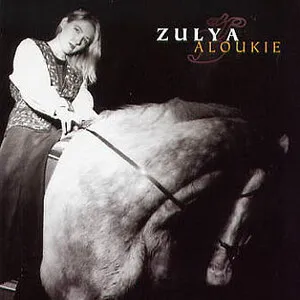
Aloukie
Zulya
1991
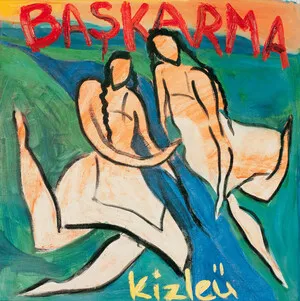
Kizleü
Başkarma
2015
Soviet Central Asia Music (1930 - 1950)
2009
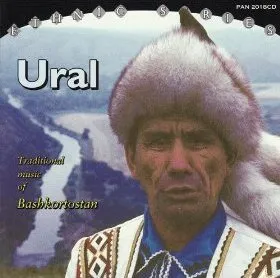
Ural: Traditional Music of Bashkortostan
2021
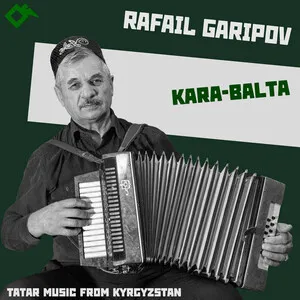
Kara-Balta: Tatar Music from Kyrgyzstan
Rafail Garipov Рафаил Гарипов
2025
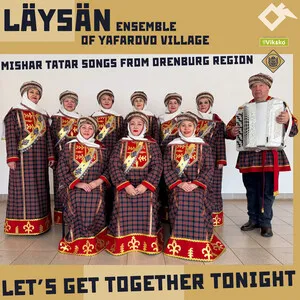
Let's Get Together Tonight: Mishar Tatar Songs From Orenburg Region
Lӓysӓn Ensemble of Yafarovo Village
Download our mobile app
Get the Melodigging app and start digging for new genres on the go
Download on the App Store
Get it on Google Play
© 2026 Melodigging
Give feedback
Legal
Melodding was created as a tribute to
Every Noise at Once
, which inspired us to help curious minds keep digging into music's ever-evolving genres.