Genres
Make Music
Artists
Albums
Challenges
Sign in
Sign in
Albums
By Suicide
Albums
By Suicide
Suicide
December 28, 1977
Listen
1
/5
Genres
Minimal Synth
Minimal synth is a sparse, DIY strand of early electronic music built around a small palette of analog synthesizers, drum machines, and austere melodies. It favors economy: short, hook-like motifs; rigid, metronomic rhythms; and cool, detached vocals that sit in stark relief against the electronics. The sound is defined by dry drum machine patterns (often 2–4 bar loops), monophonic basslines, simple minor-key harmonies, and limited effects—typically delay and reverb used tastefully rather than lavishly. Emerging from post-punk and new wave’s experimental fringes, it captured a mood that was simultaneously intimate and mechanical, melancholic yet danceable. Originally circulated on cassettes and 7" singles via small independent labels, minimal synth has since become a collectors’ and archivists’ favorite, with a 2000s revival highlighting how its disciplined restraint and analog textures anticipated later retro-synth and underground electronic movements.
Discover
Listen
Minimal Wave
Minimal wave is a retroactive label for a strain of late-1970s and early-1980s DIY electronic new wave defined by sparse analog synthesizers, primitive drum machines, and austere, repetitive song structures. Its sound is cold yet melodic: dry, metronomic rhythms; simple bass sequences; monochrome pads or strings; and detached, often deadpan vocals recorded on modest home or small-studio setups. Releases were typically issued on small European labels or as private cassette editions, sitting at the intersection of synth-pop, post-punk, and French/Belgian coldwave. The genre’s contemporary identity coalesced in the mid-2000s through dedicated archival labels and compilations that highlighted this minimal, lo‑fi, and emotionally distant approach to early electronic pop.
Discover
Listen
Electropunk
Electropunk fuses the confrontational energy and DIY ethos of punk with the timbres and machinery of electronic music. Instead of guitars and live drums, it leans on aggressive synthesizers, drum machines, samplers, and effects, delivering short, high-impact songs with shouted or sneered vocals. The sound is raw, minimal, and often deliberately abrasive: distorted basslines, square- and saw-tooth leads, clipped claps and snares, and overdriven mixes that prize attitude over polish. Tempos typically range from mid-tempo stomp to frenetic club pace, and arrangements favor tight verse–chorus forms, sudden breaks, and noise-washed codas. The aesthetics are anti-virtuosic, performance-art friendly, and intensely physical—made to be felt as much as heard.
Discover
Listen
Synth Punk
Synth punk is a raw, high‑energy fusion of punk’s velocity and attitude with the abrasive, synthetic timbres of analog keyboards, drum machines, and noise gear. Instead of guitar-driven riffs, synth punk typically foregrounds distorted monosynth bass lines, cheap combo organs, or primitive sequencers pounding out repetitive patterns at punk tempos. Vocals are often shouted, sneered, or delivered deadpan; lyrics skewer consumer culture, media saturation, technology, and urban alienation. Production values tend toward the minimal and DIY: overdriven inputs, tape saturation, room mics, and purposeful crudity. The result is a confrontational, mechanical churn—danceable yet hostile—that helped open a direct line between punk, early industrial, and later synth-oriented underground scenes.
Discover
Listen
Cbgb Scene
The CBGB scene refers to the loose but highly influential community of bands that emerged from the New York club CBGB (Country, BlueGrass & Blues) at 315 Bowery in the mid‑1970s. Under owner Hilly Kristal, the venue—originally intended for roots music—became an incubator for raw, minimalist rock that prized immediacy, idiosyncrasy, and a fiercely DIY ethos. Musically, the scene fused 1960s garage rock energy, proto‑punk bite, and art‑school experimentation. Its sound ranged from the blistering, two‑minute blitzes of the Ramones, to Television’s interlocking, improvisation‑tinged guitar lattices, to Blondie and Talking Heads’ witty, genre‑bending pop. Lyrics often channeled urban grit, deadpan humor, and existential alienation, mirroring the decaying yet creatively vibrant Lower East Side of the era.
Discover
Listen
No Wave
No wave is a late-1970s New York City underground movement that rejected the orthodoxies of punk, rock, and pop in favor of abrasive sonics, anti-virtuosic playing, and an art-forward, confrontational attitude. Its sound ranges from skronky, free-jazz-influenced sax blasts and scraping, detuned guitars to rigid, mechanical rhythms and stark, minimal song structures. Lyrics are often spoken, shouted, or declaimed in a deadpan or feral style, addressing urban anxiety, alienation, and cultural decay. More than a fixed style, no wave was a short, intense rupture: a scene of musicians and artists who intentionally dismantled conventional harmony, groove, and song form to foreground texture, noise, and performance as critique.
Discover
Listen
Electronic
Electronic is a broad umbrella genre defined by the primary use of electronically generated or electronically processed sound. It encompasses music made with synthesizers, drum machines, samplers, computers, and studio/tape techniques, as well as electroacoustic manipulation of recorded or synthetic sources. The genre ranges from academic and experimental traditions to popular and dance-oriented forms. While its sonic palette is rooted in electricity and circuitry, its aesthetics span minimal and textural explorations, structured song forms, and beat-driven club permutations. Electronic emphasizes sound design, timbre, and studio-as-instrument practices as much as melody and harmony.
Discover
Listen
Similar albums
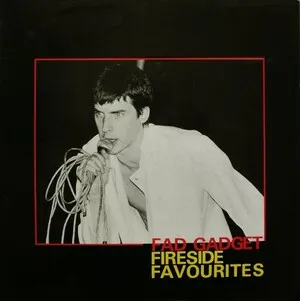
1980
Fireside Favourites
Fad Gadget
1977
Suicide (2019 - Remaster)
Suicide
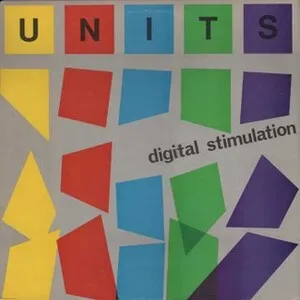
1980
Digital Stimulation
Units
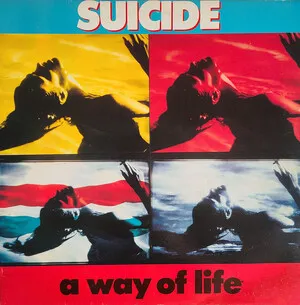
1988
A Way of Life
Suicide
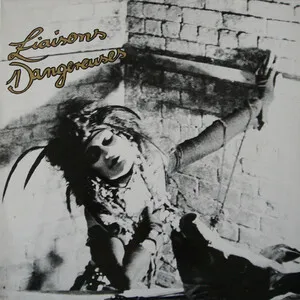
2015
Liaisons Dangereuses
Liaisons Dangereuses
2007
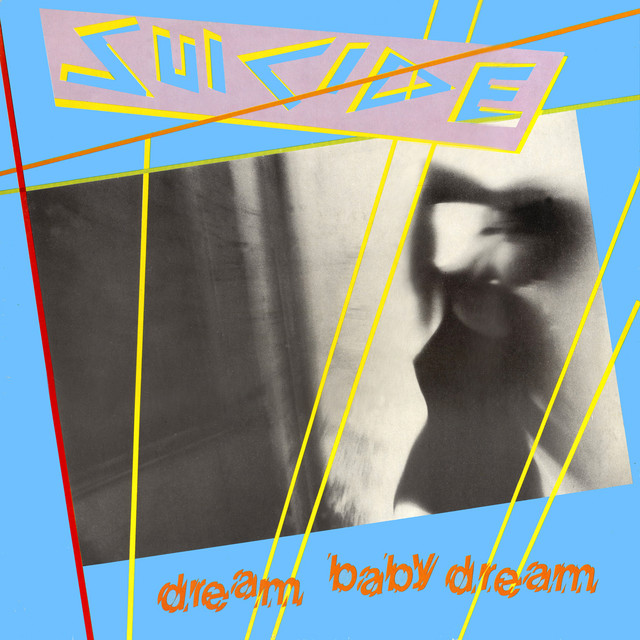
Dream Baby Dream EP
Suicide
1979
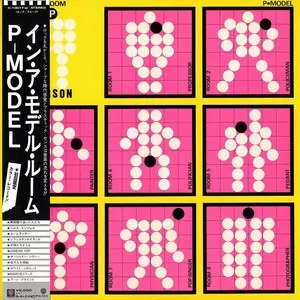
In a Model Room
P-Model
2013
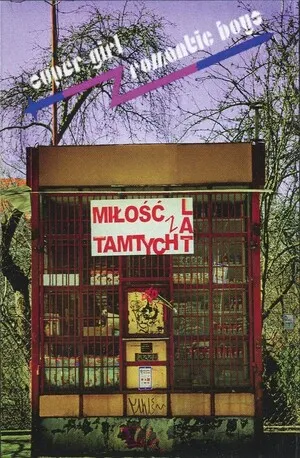
Miłość z tamtych lat
Super Girl & Romantic Boys
1980
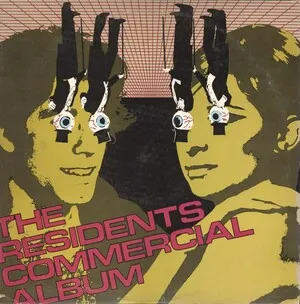
Commercial Album
The Residents
2019
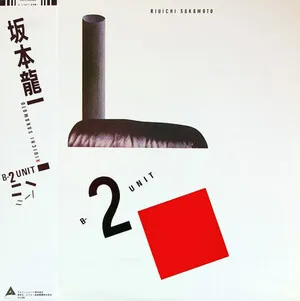
B-2 Unit
Riuichi Sakamoto
Download our mobile app
Get the Melodigging app and start digging for new genres on the go
Download on the App Store
Get it on Google Play
© 2026 Melodigging
Give feedback
Legal
Melodding was created as a tribute to
Every Noise at Once
, which inspired us to help curious minds keep digging into music's ever-evolving genres.