Genres
Make Music
Artists
Albums
Challenges
Sign in
Sign in
Albums
By Godflesh
Albums
By Godflesh
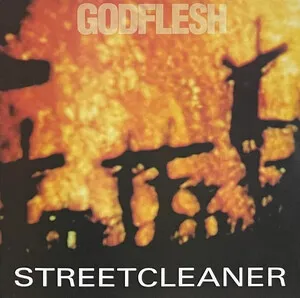
Streetcleaner
1989
Listen
2
/5
Genres
Sludge Metal
Sludge metal is a hybrid of doom metal’s slow, downtuned weight and hardcore punk’s raw aggression. It emphasizes thick, overdriven guitar tones, throttling bass, and drums that lurch between trudging slow-motion grooves and ragged mid‑tempo blasts. Vocals are typically screamed, barked, or anguished, often buried slightly in the mix to feel abrasive and cathartic. The style took shape in the late 1980s United States—particularly the Pacific Northwest and the American South—where bands fused Sabbath‑like doom riffs with the DIY harshness of hardcore and the scabrous textures of noise rock. Lyrical themes commonly explore addiction, despair, social decay, and Southern Gothic imagery, delivered with an intentionally gritty, unvarnished production aesthetic.
Discover
Listen
Post-Industrial
Post-industrial is an umbrella term for the diverse musical currents that evolved out of first‑wave industrial music in the early 1980s. Rather than a single sound, it describes a methodology: the recontextualization of noise, tape collage, found sound, non‑traditional percussion, and transgressive or esoteric themes into new hybrids. It commonly emphasizes textural experimentation over conventional song form, drawing on ambient drones, harsh electronics, ritualistic rhythms, and performance-art strategies. The scene grew through DIY cassette culture, mail‑art networks, and small independent labels, fostering substyles like power electronics, dark ambient, neofolk, martial industrial, and illbient. Aesthetically, post‑industrial retains industrial’s confrontational stance but disperses it into atmospheric, political, mystical, and avant‑garde directions, making it as much a way of working with sound and media as a genre label.
Discover
Listen
Industrial Metal
Industrial metal is a fusion of the mechanized, abrasive textures of industrial music with the weight, riff-driven power, and aggression of heavy metal. It emphasizes machine-like rhythms, down-tuned guitars, harsh or processed vocals, and extensive use of sequencers, drum machines, and sampling. The sound often evokes dystopian, anti-authoritarian, and techno-skeptical themes, with a tight, repetitive groove that feels both robotic and visceral. Hallmarks include palm-muted chug riffs synchronized to quantized beats, distorted bass and synth layers, and production that foregrounds hard-edged, metallic timbres and found sounds (e.g., factory noise, machinery, alarms).
Discover
Listen
Industrial & Noise
Industrial & noise is an umbrella for abrasive, experimental music that foregrounds distortion, mechanical rhythm, feedback, and non-musical sound sources. It merges the harsh timbral explorations of noise with the confrontational, machine-driven aesthetics of industrial. Artists typically use found objects, scrap metal, feedback systems, tape manipulation, and heavily processed electronics alongside drum machines and synthesizers. The style ranges from arrhythmic walls of sound to regimented, factory-like beats, often eschewing conventional harmony in favor of texture, density, and psychoacoustic impact. Thematically, it is frequently transgressive and confrontational—exploring dehumanization, technology, power structures, and catharsis—while performance practice can be theatrical, ritualistic, and intensely physical.
Discover
Listen
Rock
Rock is a broad family of popular music centered on amplified instruments, a strong backbeat, and song forms that foreground riffs, choruses, and anthemic hooks. Emerging from mid‑20th‑century American styles like rhythm & blues, country, and gospel-inflected rock and roll, rock quickly expanded in scope—absorbing folk, blues, and psychedelic ideas—while shaping global youth culture. Core sonic markers include electric guitar (often overdriven), electric bass, drum kit emphasizing beats 2 and 4, and emotive lead vocals. Rock songs commonly use verse–chorus structures, blues-derived harmony, and memorable melodic motifs, ranging from intimate ballads to high‑energy, stadium‑sized performances.
Discover
Listen
Electronic
Electronic is a broad umbrella genre defined by the primary use of electronically generated or electronically processed sound. It encompasses music made with synthesizers, drum machines, samplers, computers, and studio/tape techniques, as well as electroacoustic manipulation of recorded or synthetic sources. The genre ranges from academic and experimental traditions to popular and dance-oriented forms. While its sonic palette is rooted in electricity and circuitry, its aesthetics span minimal and textural explorations, structured song forms, and beat-driven club permutations. Electronic emphasizes sound design, timbre, and studio-as-instrument practices as much as melody and harmony.
Discover
Listen
Similar albums
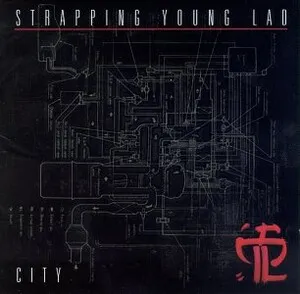
1997
City
Strapping Young Lad
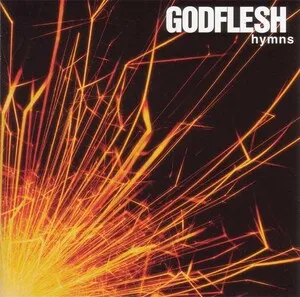
2013
Hymns
Godflesh
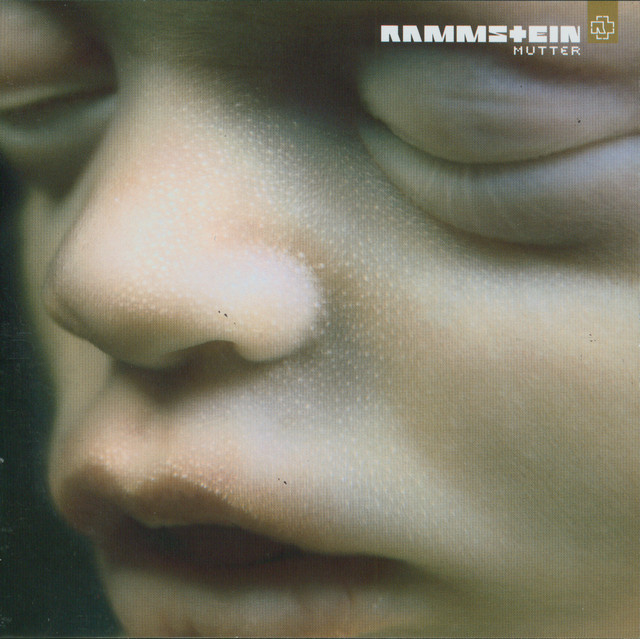
2001
Mutter
Rammstein
1989
Pretty Hate Machine
Nine Inch Nails
2008
Nightmare Revisited
Marilyn Manson
2012
No Love Deep Web
Death Grips
2019
Deutschland
Rammstein
2020
Global Warning
Turmion Kätilöt
2022
Zick Zack
Rammstein
2022
Zeit
Rammstein
Download our mobile app
Get the Melodigging app and start digging for new genres on the go
Download on the App Store
Get it on Google Play
© 2026 Melodigging
Give feedback
Legal
Melodding was created as a tribute to
Every Noise at Once
, which inspired us to help curious minds keep digging into music's ever-evolving genres.