Genres
Make Music
Artists
Albums
Challenges
Sign in
Sign in
Albums
By The Cramps
Albums
By The Cramps
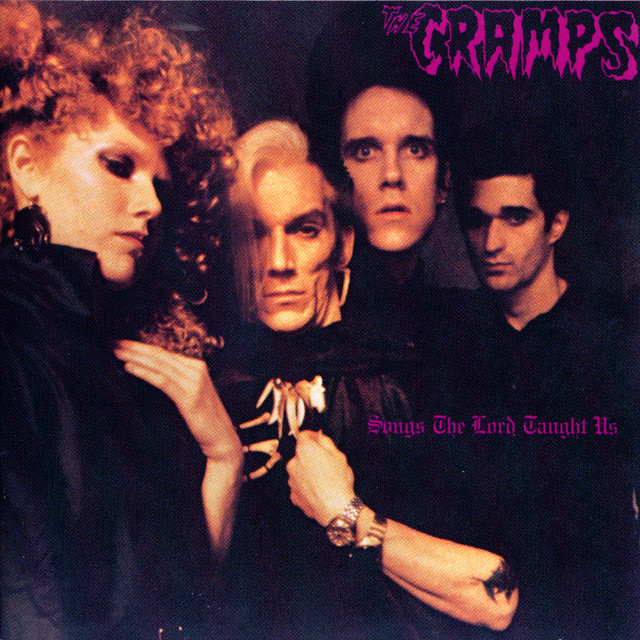
Songs the Lord Taught Us
1980
Listen
3
/5
Genres
Gothabilly
Gothabilly is a dark, retro-leaning fusion of gothic rock’s atmosphere and imagery with the twangy drive of rockabilly and the raw energy of psychobilly. It typically features slapback-echo guitars, walking or slap upright bass, shuffling or train-beat drums, and crooning baritone or snarling punk-influenced vocals. Lyrical themes draw on horror cinema, graveyard romance, pulp occultism, and campy B‑movie aesthetics, delivered with a mix of tongue‑in‑cheek humor and macabre melodrama. Musically, gothabilly balances minor‑key progressions and chromatic riffs against classic rock ’n’ roll forms, often adding reverb‑drenched tremolo picking, haunted organ or theremin flourishes, and a theatrical, midnight‑movie vibe.
Discover
Listen
Psychobilly
Psychobilly is a high-octane fusion of 1950s rockabilly and late‑1970s punk rock, spiked with horror, sci‑fi, and B‑movie aesthetics. It is defined by twangy, reverb‑drenched guitars, an aggressively slapped upright (double) bass, and breakneck drums that push songs toward punk tempos. The style’s sound balances the swing and I‑IV‑V DNA of rockabilly with punk’s distortion, attitude, and shout‑along choruses. Lyrics typically revel in campy macabre imagery—monsters, hot rods, graveyards, radioactive romance—delivered with a snarling, tongue‑in‑cheek theatricality. Onstage, pompadours, quiffs, tattoos, coffin imagery, and the signature “wrecking” pit-dance complete a subcultural identity that is both retro and transgressive. While rooted in the United Kingdom scene of the early 1980s, psychobilly rapidly spread across Europe and the United States, cultivating a global circuit of dedicated bands, labels, and festivals.
Discover
Listen
Cbgb Scene
The CBGB scene refers to the loose but highly influential community of bands that emerged from the New York club CBGB (Country, BlueGrass & Blues) at 315 Bowery in the mid‑1970s. Under owner Hilly Kristal, the venue—originally intended for roots music—became an incubator for raw, minimalist rock that prized immediacy, idiosyncrasy, and a fiercely DIY ethos. Musically, the scene fused 1960s garage rock energy, proto‑punk bite, and art‑school experimentation. Its sound ranged from the blistering, two‑minute blitzes of the Ramones, to Television’s interlocking, improvisation‑tinged guitar lattices, to Blondie and Talking Heads’ witty, genre‑bending pop. Lyrics often channeled urban grit, deadpan humor, and existential alienation, mirroring the decaying yet creatively vibrant Lower East Side of the era.
Discover
Listen
Garage Punk
Garage punk is a raw, high-energy strain of rock that fuses the primitive drive of mid‑1960s American garage bands with the speed, sneer, and DIY ethos later associated with punk. It favors overdriven guitars (often drenched in fuzz and spring reverb), stomping backbeats, shouted or snotty vocals, and two- or three-chord riffs recorded with intentionally lo‑fi, live-in-the-room immediacy. Organ stabs, handclaps, and tambourines are common textural touches, while lyrics lean toward teenage frustration, lust, menace, and mischief. Songs are short, hooky, and explosive—more about attitude and impact than polish—making garage punk a perennial engine for underground rock scenes.
Discover
Listen
Garage Rock
Garage rock is a raw, energetic style of rock music that emerged in the mid-1960s from local scenes across North America. Typically performed by amateur or semi-professional teenage bands in basements and suburban garages, the sound is unpolished and immediate, favoring feel over finesse. Its hallmarks include distorted guitars, pounding drums, simple chord progressions (often I–IV–V), prominent Farfisa/Vox organ riffs, and shouted, attitude-heavy vocals. Songs are short, hooky, and driven by rhythmic urgency, with lyrics about teenage love, boredom, rebellion, and swagger. The style became a direct ancestor of proto-punk and punk rock, prized for its do-it-yourself spirit and visceral impact.
Discover
Listen
Rockabilly
Rockabilly is one of the earliest styles of rock and roll, fusing the twang and storytelling of Southern country ("hillbilly") with the driving backbeat and boogie of rhythm & blues and jump blues. It is marked by slap‑back echo on vocals and guitar, slapping upright bass, twangy hollow‑body electrics, and energetic, danceable grooves. The classic rockabilly sound emerged from mid‑1950s Memphis studios such as Sun Records, where minimal drum kits (or none at all) mixed with percussive bass and bright, overdriven guitars. Songs are typically short, hooky, and built on 12‑bar blues or simple I–IV–V progressions, with lyrics about love, cars, dancing, and youthful rebellion.
Discover
Listen
Rock And Roll
Rock and roll is a high-energy, dance-oriented popular music style that emerged in the United States in the early-to-mid 1950s. It fuses the 12‑bar blues and boogie‑woogie with the backbeat and instrumentation of rhythm & blues, the twang and storytelling of country, and the fervor of gospel. Its hallmark sound centers on a strong backbeat (accented on beats 2 and 4), driving rhythm sections, electric guitar riffs, prominent piano or saxophone leads, and catchy, chorus-forward songwriting. Typical harmonies revolve around I–IV–V progressions, often in 12-bar form, with swung or shuffle feels and punchy turnarounds. Culturally, rock and roll catalyzed a youth movement linked to dancing, teen identity, and social change. It bridged racial audiences by popularizing Black American musical traditions for mainstream listeners, and it laid the foundation for subsequent rock styles and much of modern pop.
Discover
Listen
Similar albums
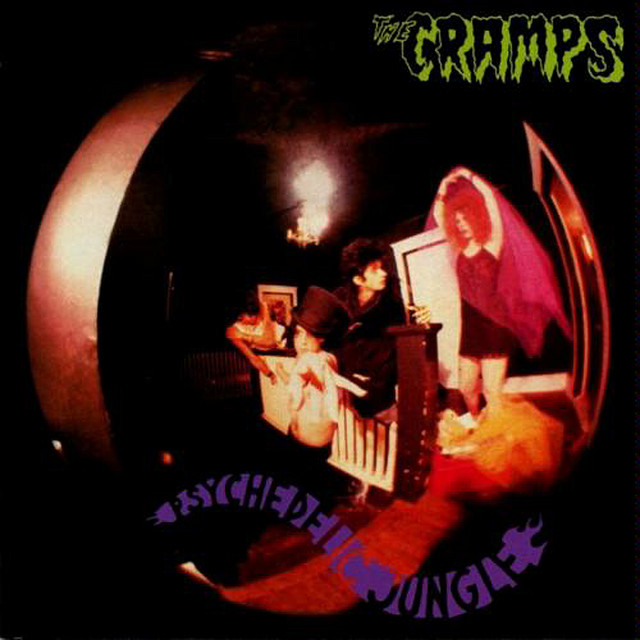
1981
Psychedelic Jungle
The Cramps
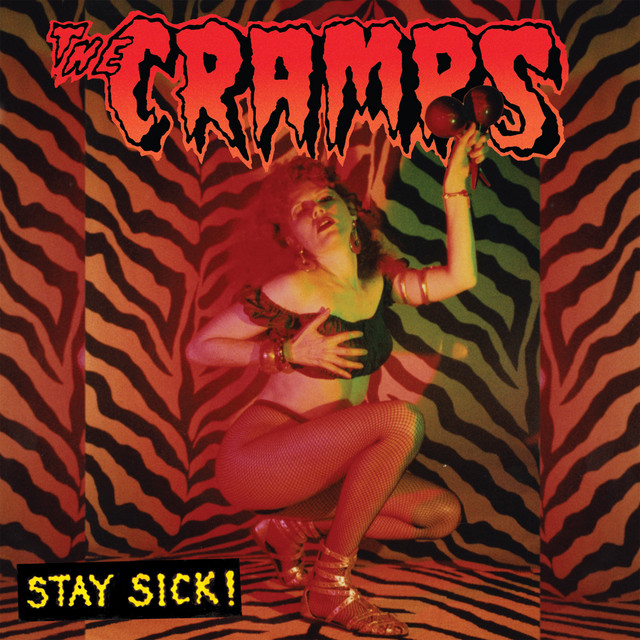
1989
Stay Sick!
The Cramps
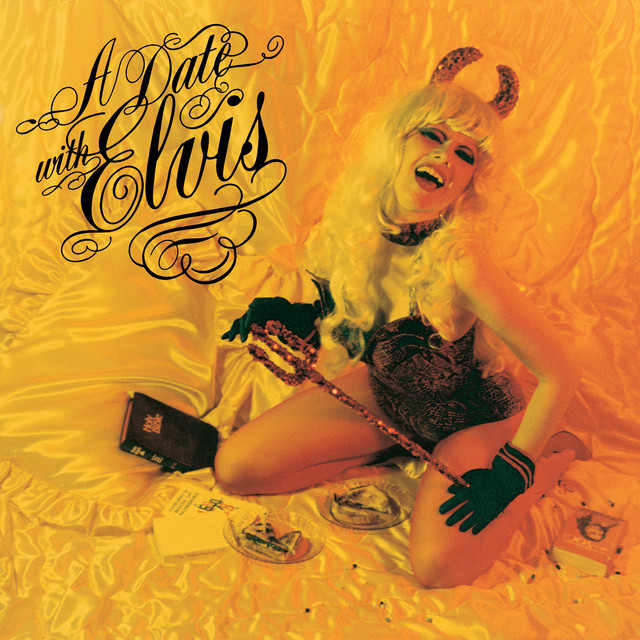
1986
A Date With Elvis
The Cramps
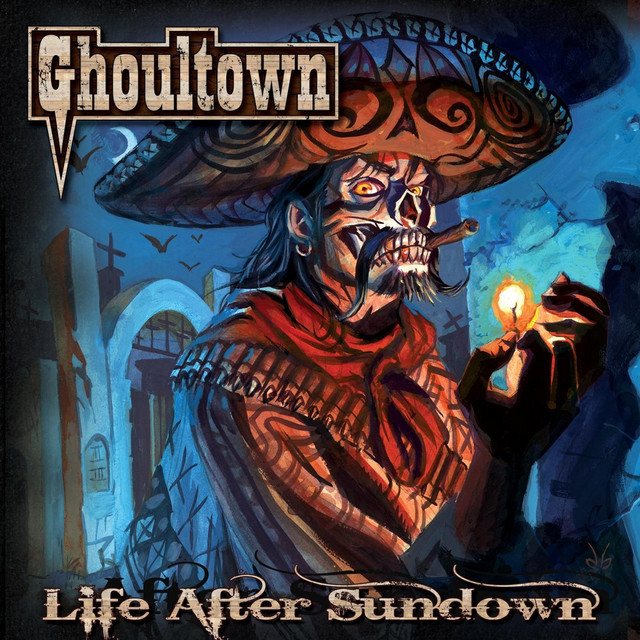
2008
Life After Sundown
Ghoultown
1997
Winter Dance Party
The Spaceshits
1993
The Full-Custom Gospel Sounds of The Reverend Horton Heat
The Reverend Horton Heat
1997
Big Beat From Badsville
The Cramps
1981
Stray Cats
Stray Cats
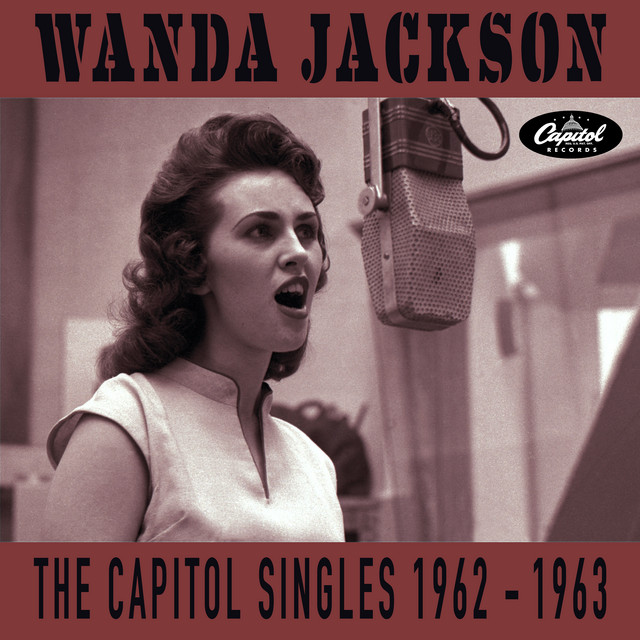
2020
The Capitol Singles 1962-1963
Wanda Jackson
1981
Fire of Love
The Gun Club
Download our mobile app
Get the Melodigging app and start digging for new genres on the go
Download on the App Store
Get it on Google Play
© 2026 Melodigging
Give feedback
Legal
Melodding was created as a tribute to
Every Noise at Once
, which inspired us to help curious minds keep digging into music's ever-evolving genres.