Genres
Make Music
Artists
Albums
Challenges
Sign in
Sign in
Albums
By Sir Victor Uwaifo
Albums
By Sir Victor Uwaifo
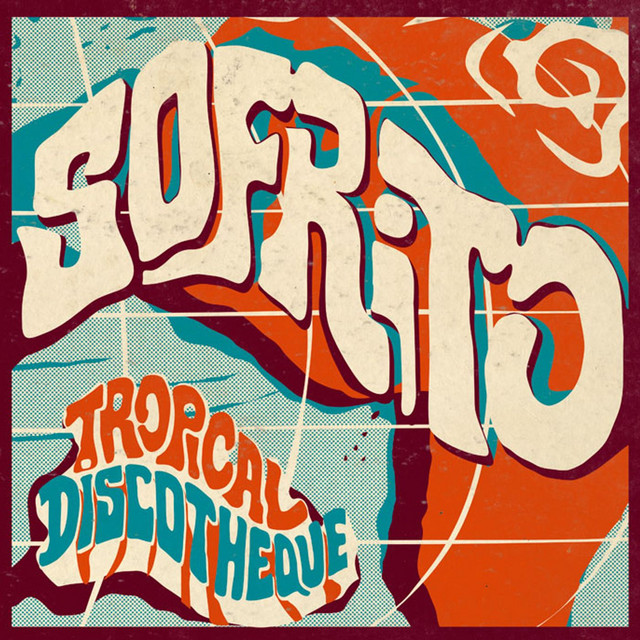
Sofrito: Tropical Discotheque
1980
Listen
2
/5
Genres
Disco
Disco is a dance-music genre and nightlife subculture that crystallized in the United States during the 1970s, drawing especially from African-American, Italian-American, Latino, and queer club communities. Musically, disco is typified by a steady four-on-the-floor kick drum, syncopated and melodic electric-bass lines, lush string sections, bright brass and horns, electric pianos and synthesizers, and percussive, choppy rhythm guitars. Arrangements often feature orchestral colors, handclaps, congas, and vibraphone or bell textures, all engineered to deliver a continuous, groove-forward experience for the dance floor. The style combines the rich orchestration and romantic sweep of Philadelphia soul with the bottom-end drive of funk and the songcraft of contemporary R&B/pop, delivered in DJ-friendly extended mixes and 12-inch singles designed for club play.
Discover
Listen
Salsa
Salsa is a pan–Latin dance music forged primarily in New York City by Puerto Rican, Cuban, and other Caribbean diasporas. It synthesizes Afro‑Cuban rhythmic blueprints, Puerto Rican bomba and plena, jazz harmony, big‑band horn writing, and Nuyorican street culture into a tightly arranged yet improvisation‑friendly style. The music lives on the clave (either 2‑3 or 3‑2), with layered percussion (congas, bongó, timbales, cowbell, güiro, maracas), a tumbao bass that anticipates the beat, and piano montuno guajeos that interlock with the rhythm section. Call‑and‑response vocals (coro/pregón), punchy horn mambos and moñas, and instrumental solos energize the montuno section. Tempos range from medium to fast in 4/4, optimized for social dancing (commonly “on1” or “on2”). Across decades, salsa has branched into harder, percussion‑forward “salsa dura,” smoother “salsa romántica,” and regional scenes in Puerto Rico, Venezuela, and Colombia, while continuing to influence—and be influenced by—neighboring tropical and jazz idioms.
Discover
Listen
Latin
Latin (as a genre label) is a broad umbrella used by the recording industry to categorize popular music rooted in Latin America, the Caribbean, and the Iberian world, often characterized by syncopated Afro-diasporic rhythms, dance-forward grooves, and lyrics primarily in Spanish or Portuguese. As a marketplace category that took shape in the mid-20th century United States, it gathers diverse traditions—Afro-Cuban, Brazilian, Mexican, and Caribbean styles—into a shared space. In practice, "Latin" spans everything from big-band mambo and bolero ballads to contemporary pop, rock, hip hop, and dance fusions produced by artists of Latin American heritage.
Discover
Listen
Jùjú
Jùjú is a Yoruba-rooted popular music from southwestern Nigeria that blends indigenous percussion and call-and-response vocals with guitar-driven dance grooves. It is characterized by interlocking electric and steel guitars, talking drums (dundun family), shekere shakers, and long, flowing performances built on cyclical vamps. Often performed at weddings, ceremonies, and social gatherings, jùjú features praise-singing (oríkì), proverbial lyrics, and a warm, uplifting atmosphere that invites communal dancing.
Discover
Listen
Porro
Porro is a festive dance music from Colombia’s Caribbean coast, especially the Sinú River and Savanna regions of Córdoba, Sucre, Bolívar, and Atlántico. Closely related to cumbia yet distinct, it blends Indigenous gaita traditions, Afro-Colombian drumming, and European brass-band practices. Traditionally performed by bandas pelayeras (rural brass bands) and by gaita ensembles, porro later blossomed in urban dance orchestras with clarinets, saxophones, trumpets, trombones, and a driving percussion section. It is typically in duple meter (2/4, sometimes felt in 4/4), with buoyant, syncopated patterns, a strong backbeat feel, and catchy call-and-response melodies. Two folkloric variants are often cited: porro palitiao (with a rimshot-style stick technique on the tambora) and porro tapao (a "covered" stroke approach), each shaping the groove in a distinctive way. In the mid-20th century, arrangers such as Lucho Bermúdez and Pacho Galán transformed porro into a cosmopolitan big-band sound that became a symbol of Colombian tropical dance culture.
Discover
Listen
Similar albums
2025
DeBÍ TiRAR MáS FOToS
Bad Bunny
1990
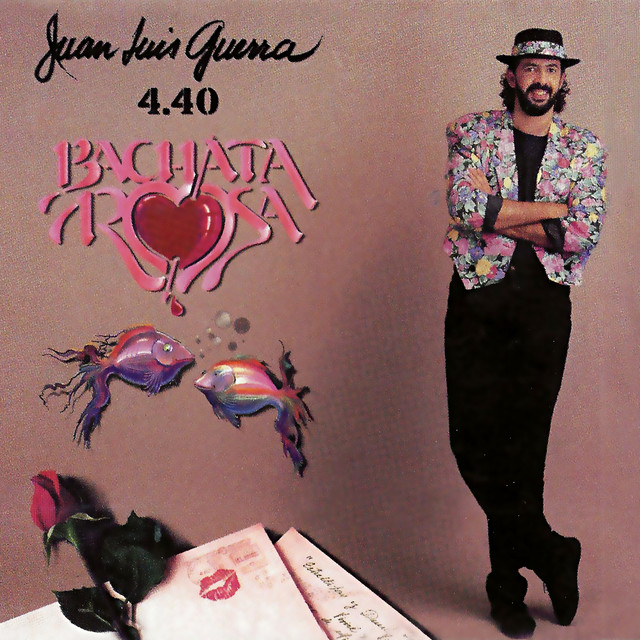
Bachata Rosa
Juan Luis Guerra 4.40
2013
3.0
Marc Anthony
2004
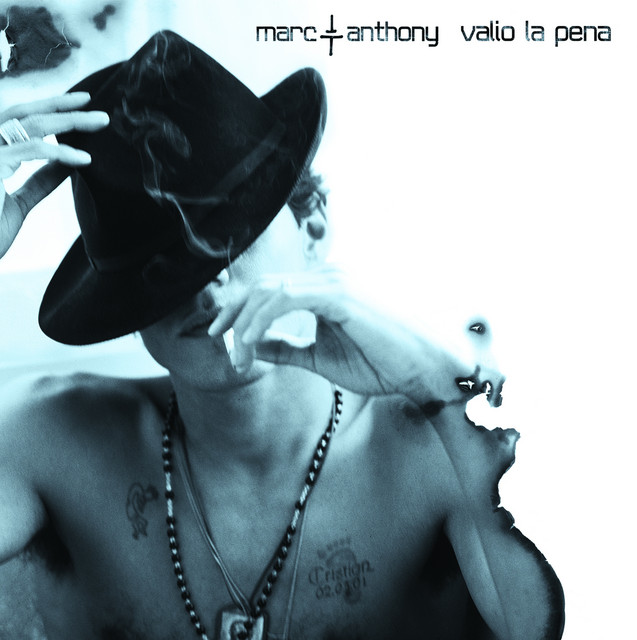
Valio La Pena
Marc Anthony
1988
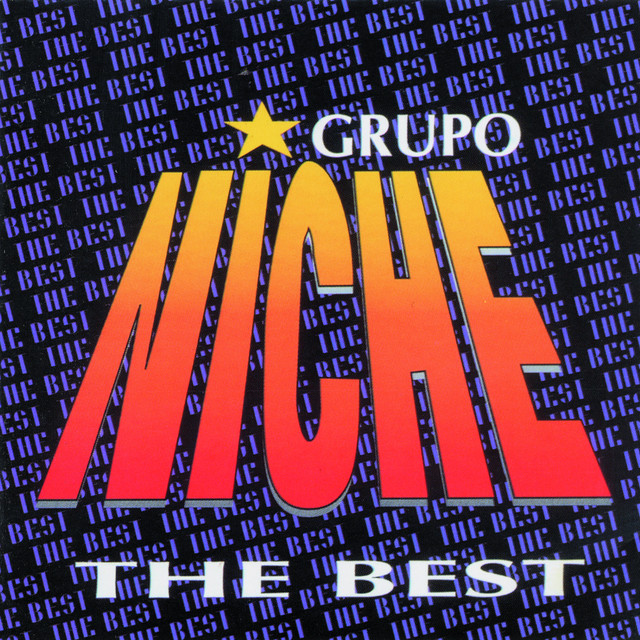
The Best
Grupo Niche
1997
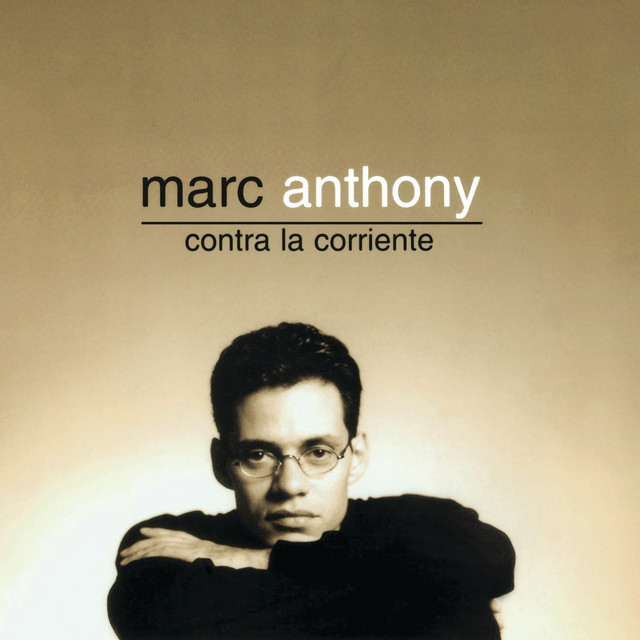
Contra la corriente
Marc Anthony
1990
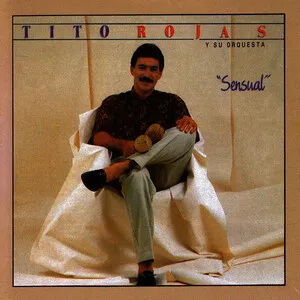
Sensual
Tito Rojas
1995
Todo a su tiempo
Marc Anthony
1989
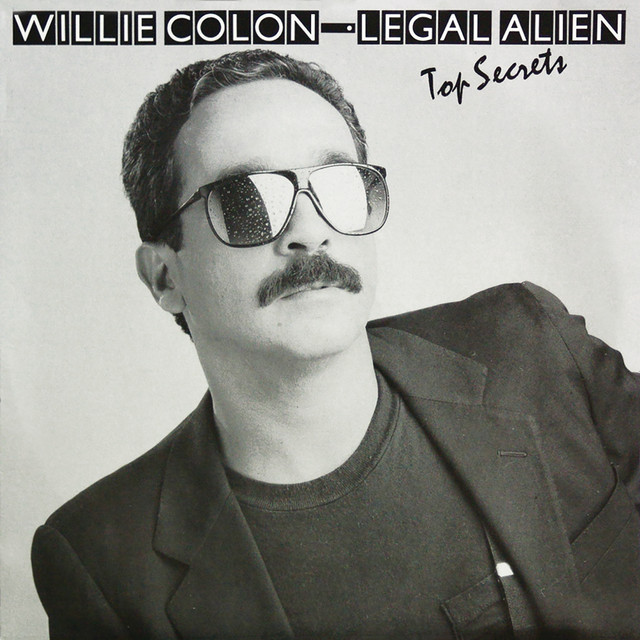
Top Secrets
Willie Colón
1990
Nelson Díaz y la Constelación
NELSON DÍAZ Y LA CONSTELACIÓN
Download our mobile app
Get the Melodigging app and start digging for new genres on the go
Download on the App Store
Get it on Google Play
© 2026 Melodigging
Give feedback
Legal
Melodding was created as a tribute to
Every Noise at Once
, which inspired us to help curious minds keep digging into music's ever-evolving genres.