Genres
Make Music
Artists
Albums
Challenges
Sign in
Sign in
Albums
By The Pyramids
Albums
By The Pyramids
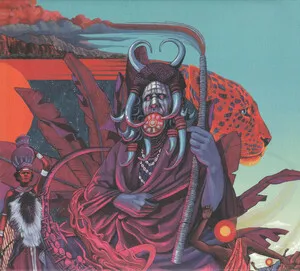
Shaman!
August 7, 2020
Listen
2
/5
Genres
Jazz-Funk
Jazz-funk is a groove-forward hybrid of jazz improvisation and harmony with the rhythmic drive and backbeat of funk. It features syncopated basslines, crisp drum patterns, and tight horn or keyboard riffs, often organized around vamping two- or four-bar progressions rather than complex chord changes. The sound is defined by electric instruments—Fender Rhodes, Clavinet, analog and early digital synthesizers, electric bass, and wah-inflected guitar—alongside punchy horn sections and extended solos. Compared to traditional jazz, the harmonic language is leaner but still rich, emphasizing 9ths, 11ths, 13ths, and modal centers (especially Dorian). The music aims for deep, danceable pocket, slick production, and a soulful, urban feel.
Discover
Listen
Afro-Jazz
Afro-jazz is a fusion genre that blends the improvisational language, harmony, and ensemble practices of jazz with the rhythmic vocabulary, grooves, and timbral palette of African musical traditions. Characterized by polyrhythms, cyclical vamps, call-and-response, and prominent percussion, Afro-jazz often features horn sections and keyboards (piano or electric piano) articulating jazz harmonies over dance-oriented African grooves. The result ranges from intimate, melodic pieces to high-energy, club-ready performances. While it developed across several African locales, the South African "African jazz" movement of the 1950s—rooted in marabi and kwela—was especially formative, as were contemporaneous West African fusions of highlife and jazz.
Discover
Listen
Experimental
Experimental music is an umbrella term for practices that prioritize exploration, process, and discovery over adherence to established genre norms. It embraces new sound sources, nonstandard tuning systems, indeterminacy and chance operations, graphic and open-form scores, extended techniques, and technology-led sound design (tape, electronics, computers, and live processing). Rather than a single style, it is a methodology and ethos: testing hypotheses about sound, structure, and performance, often blurring boundaries between composition, improvisation, sound art, and performance art. Listeners can expect unfamiliar timbres, unusual forms, and an emphasis on how music is made as much as the resulting sound.
Discover
Listen
Jazz
Jazz is an improvisation-centered music tradition that emerged from African American communities in the early 20th century. It blends blues feeling, ragtime syncopation, European harmonic practice, and brass band instrumentation into a flexible, conversational art. Defining features include swing rhythm (a triplet-based pulse), call-and-response phrasing, blue notes, and extended harmonies built on 7ths, 9ths, 11ths, and 13ths. Jazz is as much a way of making music—spontaneous interaction, variation, and personal sound—as it is a set of forms and tunes. Across its history, jazz has continually hybridized, from New Orleans ensembles and big-band swing to bebop, cool and hard bop, modal and free jazz, fusion, and contemporary cross-genre experiments. Its influence permeates global popular and art music.
Discover
Listen
Similar albums
1972
African Voodoo
Manu Dibango
2010
Rising Sun
The Souljazz Orchestra
1978
The Best Of Earth, Wind & Fire Vol. 1
Earth, Wind & Fire
1980
Give Me the Night
George Benson
1976
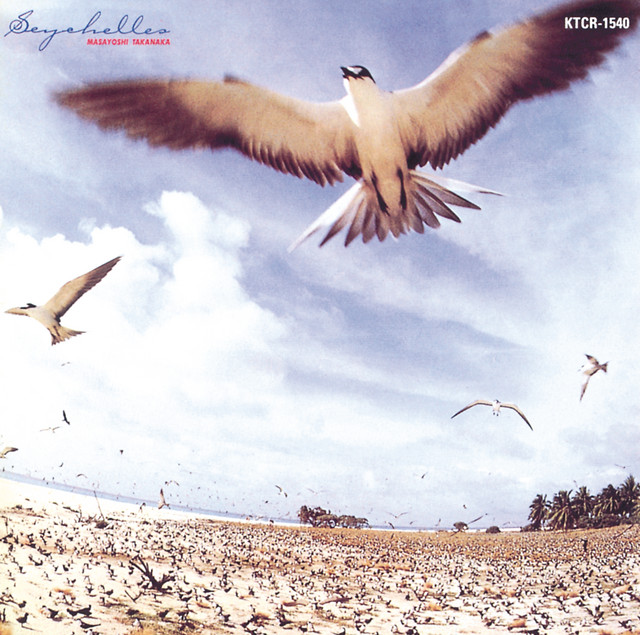
Seychelles
Masayoshi Takanaka 高中正義
1978
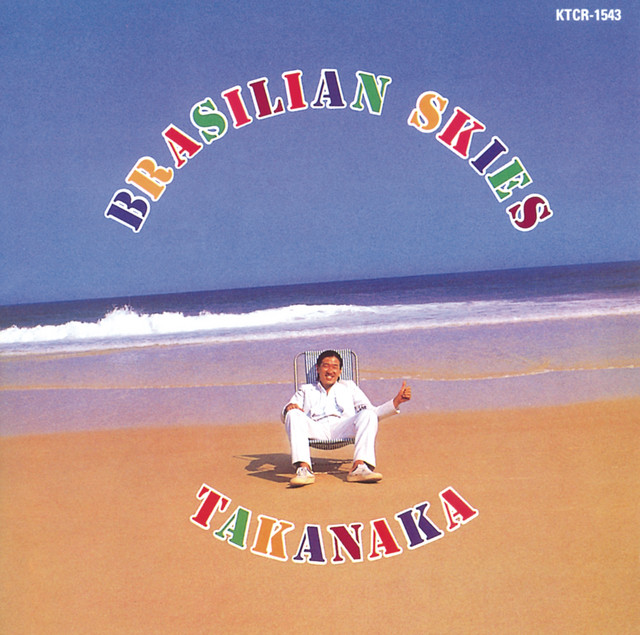
Brasilian Skies
Masayoshi Takanaka 高中正義
1976
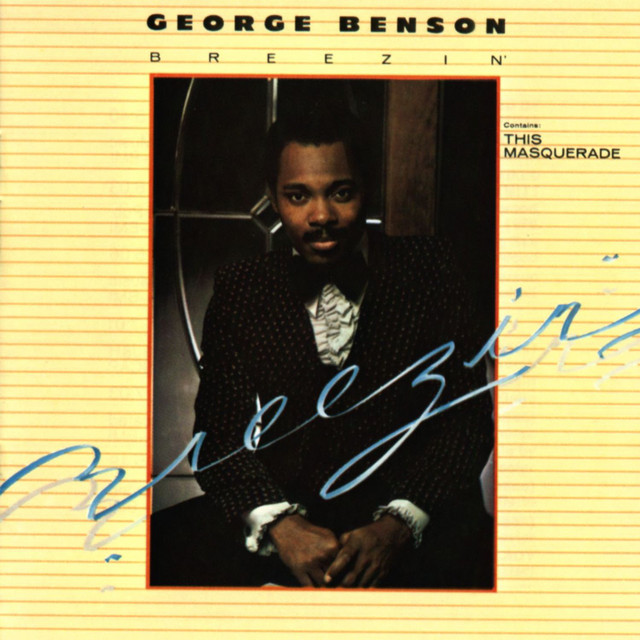
Breezin'
George Benson
1975
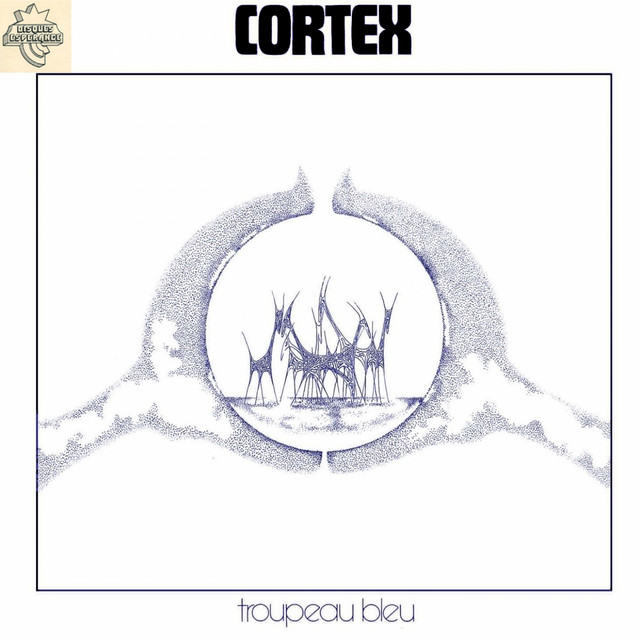
Troupeau bleu
Cortex
1969
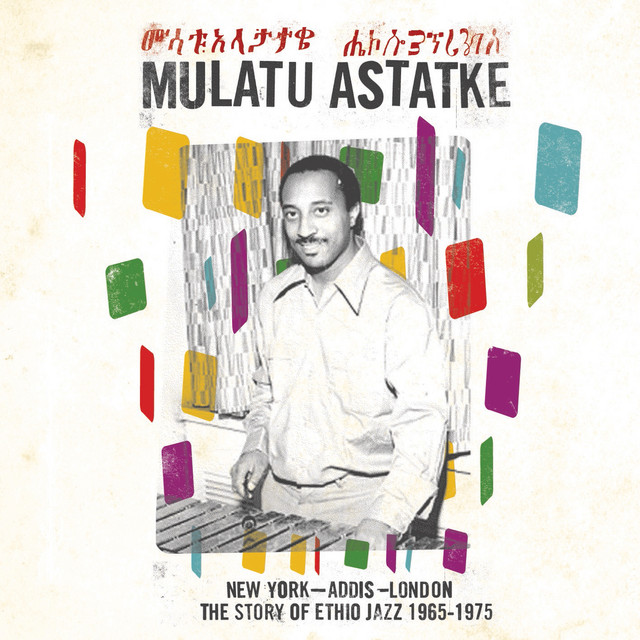
New York - Addis - London: The Story of Ethio Jazz 1965-1975
Mulatu Astatke
1977
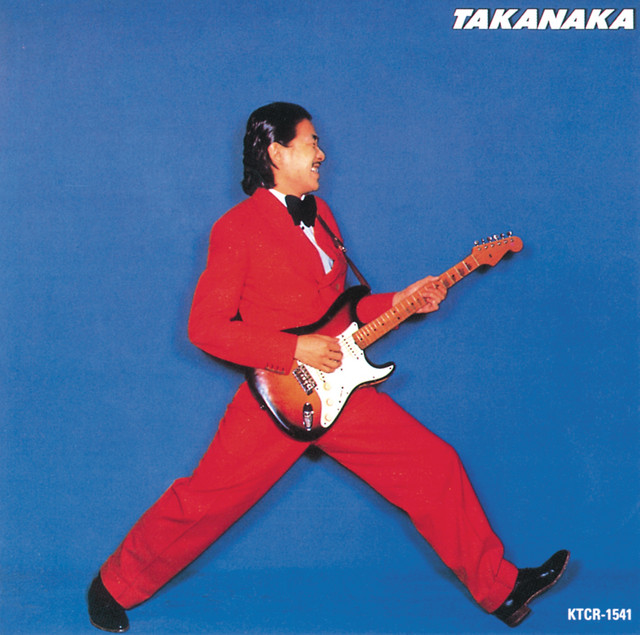
Takanaka
Masayoshi Takanaka 高中正義
Download our mobile app
Get the Melodigging app and start digging for new genres on the go
Download on the App Store
Get it on Google Play
© 2026 Melodigging
Give feedback
Legal
Melodding was created as a tribute to
Every Noise at Once
, which inspired us to help curious minds keep digging into music's ever-evolving genres.