Genres
Make Music
Artists
Albums
Challenges
Sign in
Sign in
Albums
By Luiz Gonzaga
Albums
By Luiz Gonzaga
Sertão 70
June 2, 1970
Listen
1
/5
Genres
Forró
Forró is a popular dance-music tradition from Brazil’s Northeast, centered on the trio of accordion (sanfona), zabumba (bass/tenor drum), and triangle. It encompasses a family of rhythms—most notably baião, xote, arrasta-pé, and xaxado—and is performed for partner dancing at parties and the June festivals (Festas Juninas). The style balances infectious, syncopated grooves with singable melodies and simple, diatonic harmony. Lyrically, forró often celebrates rural life, love, longing (saudade), and the culture of the sertão. Over time, it has branched into substyles ranging from the acoustic, rootsy pé-de-serra to modern, amplified and electronic variants.
Discover
Listen
Baião
Baião is a dance rhythm and song genre from Northeastern Brazil, characterized by a driving 2/4 groove led by the trio pé-de-serra: accordion (sanfona), zabumba (a double-headed bass drum), and triangle. Its hallmark is the syncopated interplay between the zabumba’s low and high strokes, a shimmering triangle ostinato, and accordion melodies that alternate between earthy, modal flavors and bright, diatonic hooks. Developed in rural contexts and urbanized on Brazilian radio, baião became a foundational pillar for the broader forró scene. Lyrically, classic baiões often reflect the sertão (semi-arid hinterland), drought, migration, longing (saudade), and everyday love and humor. The style’s compact harmonies, strong groove, and memorable refrains helped it travel far beyond its region, shaping Brazilian popular music for decades.
Discover
Listen
Latin
Latin (as a genre label) is a broad umbrella used by the recording industry to categorize popular music rooted in Latin America, the Caribbean, and the Iberian world, often characterized by syncopated Afro-diasporic rhythms, dance-forward grooves, and lyrics primarily in Spanish or Portuguese. As a marketplace category that took shape in the mid-20th century United States, it gathers diverse traditions—Afro-Cuban, Brazilian, Mexican, and Caribbean styles—into a shared space. In practice, "Latin" spans everything from big-band mambo and bolero ballads to contemporary pop, rock, hip hop, and dance fusions produced by artists of Latin American heritage.
Discover
Listen
Xote
Xote is a Brazilian partner-dance rhythm and song style from the Northeast that descends from the European schottische. In Brazil it became one of the core rhythms grouped under the umbrella of forró, alongside baião and arrasta-pé. Typically set in 2/4 (often felt in a relaxed 4/4), xote features moderate tempos, lilting syncopation, and a smooth, swaying groove designed for close-hold dancing. The hallmark trio—accordion (sanfona), zabumba (bass drum), and triangle—anchors the sound, with acoustic guitar and bass frequently added. Harmonies are diatonic and song forms are verse–refrain, carrying lyrical themes of romance, saudade, everyday life, and the festas juninas (June festivals). While its roots are 19th‑century European ballroom, xote’s phrasing, accents, and instrumentation were reshaped by Northeastern Brazilian practice, producing a distinctly regional style that thrives in both traditional pé‑de‑serra settings and contemporary pop-forró interpretations.
Discover
Listen
Similar albums
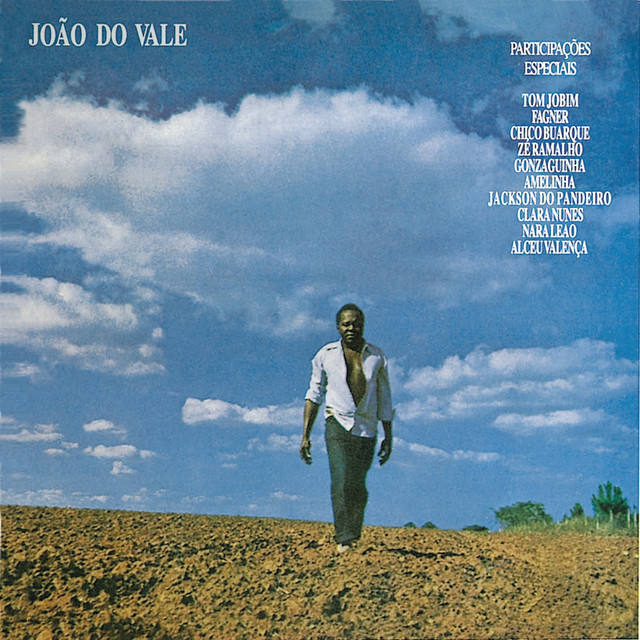
1981
João do Vale
João do Vale
2000
Luiz Gonzaga canta seus sucessos com Zédantas
Luiz Gonzaga
1982
O canto jovem de Luiz Gonzaga
Luiz Gonzaga
1967
Óia Eu Aqui de Novo
Luiz Gonzaga
1956
Aboios e vaquejadas
Luiz Gonzaga
2025
Casa Coração
Joyce Alane
1974
O romance do pavão mysteriozo
Ednardo do Pessoal do Ceará
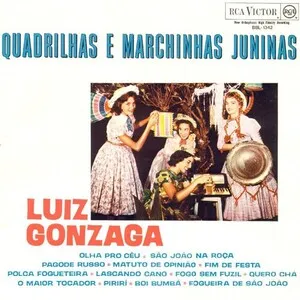
1965
Quadrilhas e marchinhas juninas
Luiz Gonzaga
1958
Forró com Ary Lobo
Ary Lobo
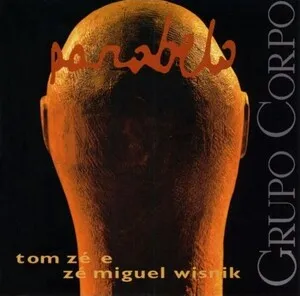
1997
Parabelo
Tom Zé & José Miguel Wisnik
Download our mobile app
Get the Melodigging app and start digging for new genres on the go
Download on the App Store
Get it on Google Play
© 2026 Melodigging
Give feedback
Legal
Melodding was created as a tribute to
Every Noise at Once
, which inspired us to help curious minds keep digging into music's ever-evolving genres.