Genres
Make Music
Artists
Albums
Challenges
Sign in
Sign in
Albums
By El Miloudia
Albums
By El Miloudia
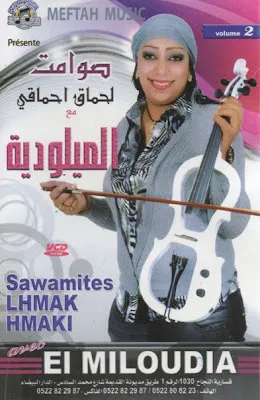
Sawamites Lhmak Hmaki avec El Miloudia Vol. 2
January 1, 2015
Listen
1
/5
Genres
Moroccan Chaabi
Moroccan chaabi is Morocco’s modern popular music, a lively, community-centered style that blends Andalusi melodic heritage, sung poetry (malhun), rural aita vocal traditions, Amazigh rhythmic sensibilities, and Gnawa grooves. It is the soundtrack of weddings and street celebrations, prized for its danceable pulse, catchy refrains, and call-and-response singing. Typically led by violin (kamanja) and oud with a strong hand-percussion core (bendir, taarija, darbuka), chaabi arrangements ride buoyant 6/8 and 2/4 feels. Lyrics move between romance, satire, and social commentary, delivered with ornamented vocals and spontaneous audience interaction.
Discover
Listen
Aita
Aita is a rural Moroccan Bedouin style of Arabic folk music centered on powerful, piercing vocal lines sung in Moroccan Arabic (Darija) by women known as shikhat, typically accompanied by small male ensembles. The core sound blends scratchy, expressive bowed violin (kamanja) with rollicking frame-drums (bendir), clay goblet or small handheld drums (taʿrija), and festival bass drum (tbel). Texts use locally rooted, orally transmitted poetry (zajal/malḥun-like couplets) that alternate between praise, satire, love laments, and tribal memory. The music is celebrated at weddings and rural festivities, especially around Safi and the Chaouia–Doukkala–Abda plains, and today it is showcased at the Aita Festival in Safi. Stylistically, Aita features call-and-response between a lead shikha and her chorus, melismatic lines, robust ululations, and heterophonic ensemble textures, usually set to buoyant 6/8 or driving 2/4 grooves that invite dancing.
Discover
Listen
Bedouin Music
Bedouin music is the traditional music of nomadic Arab tribes of the Arabian Peninsula and adjoining deserts of the Levant and Sinai. It is a poetry-centered, orally transmitted practice that accompanies daily life—herding, travel, celebrations, and communal dances—and expresses themes of landscape, lineage, honor, love, and longing. Musically it is predominantly monophonic or lightly heterophonic, built on Arabic maqām melodic modes (such as Ḥijāz, Rāst, and Bayāt) with rich melisma and microtonal inflection. Vocal performance alternates between solo declamation and call-and-response choruses, often supported by the spike fiddle rabābah, frame drums (daff/ṭār), small barrel drums, and, in some regions, the oud and reed pipes (mijwīz, arghūl, ney). Signature forms include chanted camel-driver songs (taghrūda), male chorus-and-drum line dances like ayyālah, and Najdi/Gulf samrī songs. While localized across many tribes and territories, Bedouin music shares a common aesthetic of direct, emotive vocal delivery, tightly patterned percussion, and poetic performance (notably in Nabati verse) that pre-dates Islam yet has coexisted with Islamic devotional sound practices for centuries.
Discover
Listen
Similar albums
2025
Abda
Aïta Mon Amour
2012
A Musical Anthology of the Arabian Peninsula, Vol. 1: Sung Poetry of Beduins
2020
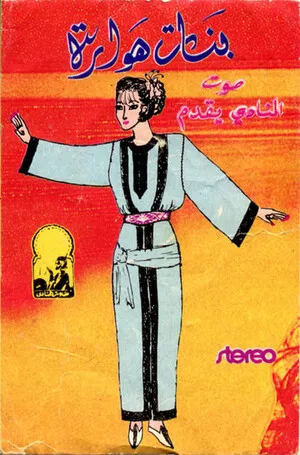
Bnate Houara
Bnate Houara بنات هوارة
2018
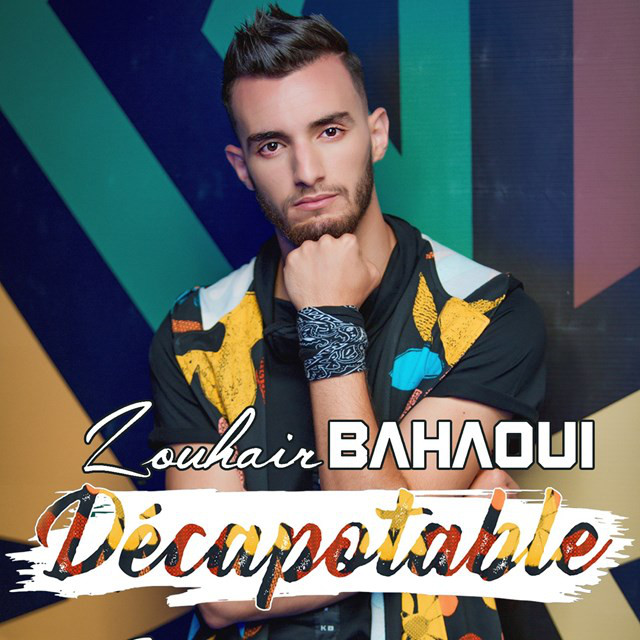
Décapotable
Zouhair Bahaoui
2025
Jedi ou Jedek
Mounim Slimani
2024
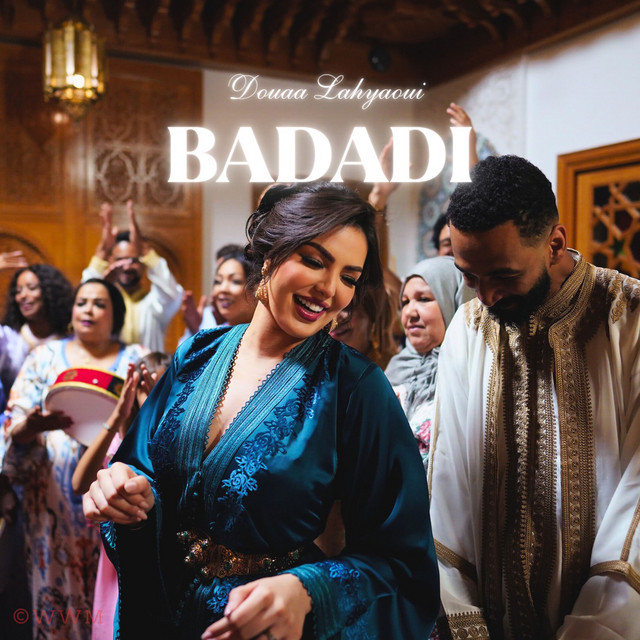
Badadi
Douaa Lahyaoui
2025
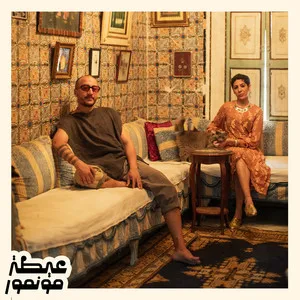
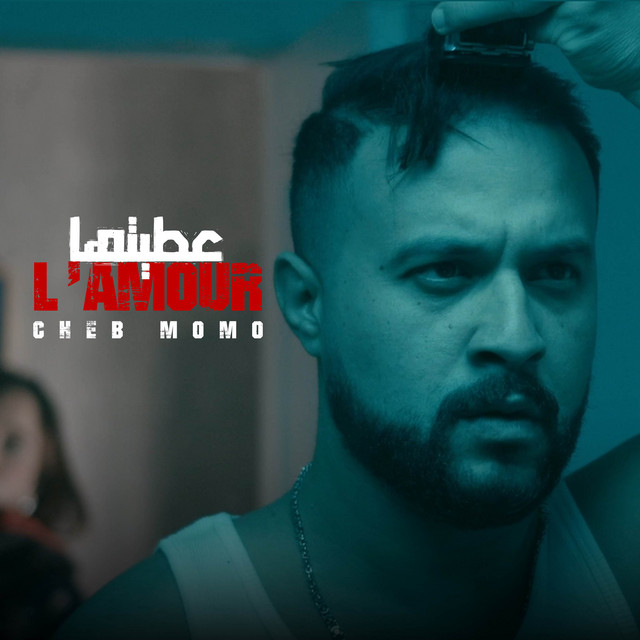
Atiteha l'amour عطيتها
Cheb Momo
2024
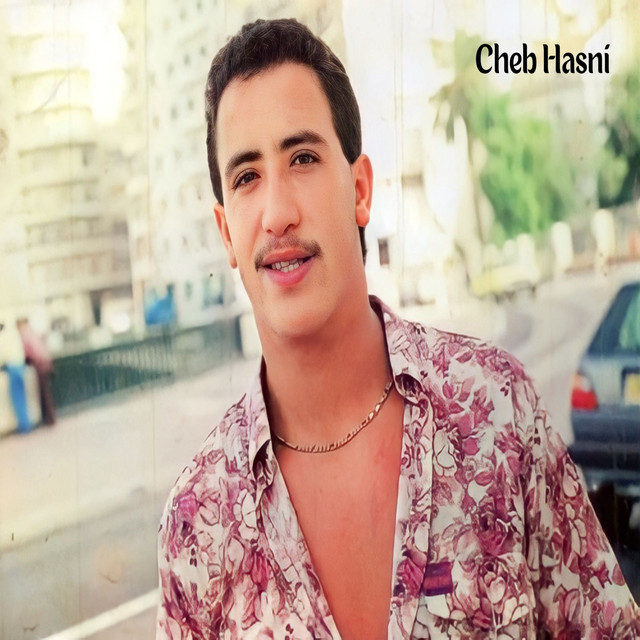
Sbaart Ou Tal Adabi
Cheb Hasni
2023
Galbi Khasah Molah
Cheba Warda
2024
Mahboul Ana
Lazaro
Download our mobile app
Get the Melodigging app and start digging for new genres on the go
Download on the App Store
Get it on Google Play
© 2026 Melodigging
Give feedback
Legal
Melodding was created as a tribute to
Every Noise at Once
, which inspired us to help curious minds keep digging into music's ever-evolving genres.