Genres
Make Music
Artists
Albums
Challenges
Sign in
Sign in
Albums
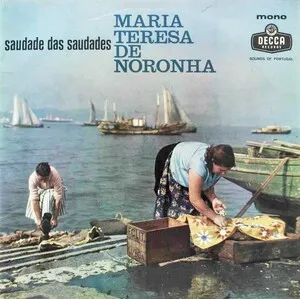
By Maria Teresa De Noronha
Albums
By Maria Teresa De Noronha
Saudade das saudades
1965
Listen
1
/5
Genres
Fado
Fado is an urban Portuguese song tradition centered on the feeling of saudade—an untranslatable mix of longing, nostalgia, and bittersweet melancholy. It emerged in 19th‑century Lisbon’s working-class neighborhoods and port districts and later developed a distinct academic strain in Coimbra. Typically performed by a solo singer (fadista) with accompaniment from the 12‑string guitarra portuguesa (Portuguese guitar) and a 6‑string viola (classical/steel‑string guitar), fado favors minor keys, expressive rubato, and ornate melodic embellishment. Its poetry (often in quatrains) contemplates love, fate, the sea, and everyday hardship. Two principal styles dominate: Fado de Lisboa, intimate and dramatic, and Fado de Coimbra, associated with student serenades and a more classical, restrained delivery. Recognized by UNESCO in 2011 as Intangible Cultural Heritage, fado remains a living tradition continually renewed by contemporary interpreters.
Discover
Listen
Portuguese Folk Music
Portuguese folk music is the umbrella term for Portugal’s regional traditional musics and dances, encompassing vocal and instrumental practices tied to social life, work, and ritual. It includes lively circle and couple dances such as the Vira and Chula of Minho, the Corridinho of the Algarve, the Fandango of Ribatejo, the Bailinho of Madeira, and the Chamarrita of the Azores, alongside slower strophic songs (modas) and the powerful choral Cante Alentejano from the south. Typical instruments include the gaita-de-fole (bagpipes), adufe (square frame drum), concertina and diatonic accordion, cavaquinho and regional violas (viola braguesa, toeira, amarantina), rabeca chuleira (fiddle), bombo (bass drum), and ferrinhos (triangle). Vocals often employ call-and-response, heterophony, and close parallel harmonies in Portuguese and, in some regions, Mirandese. The style is communal and dance-oriented, performed at romarias (religious festivals), village gatherings, and seasonal celebrations. Melodies are diatonic and modal (often mixolydian or dorian), with simple harmonic supports when harmonized, and strong rhythmic patterns suited to participatory dancing.
Discover
Listen
Portuguese Music
Portuguese music is the broad musical tradition of Portugal, spanning medieval courtly song, liturgical polyphony, regional folk styles, urban song (most famously fado), and a modern landscape of pop, rock, jazz, hip hop, and experimental scenes. At its core is the aesthetic of saudade—a bittersweet sense of longing—that shapes the melodic phrasing and lyrical themes of many Portuguese styles. Hallmark timbres include the bright, shimmering guitarra portuguesa (12‑string Portuguese guitar), classical/folk guitars (viola), cavaquinho, accordion, adufe frame drum, and regional bagpipes (gaita transmontana). Portuguese music also reflects centuries of exchange across the Lusophone world, especially with Brazil, Cape Verde, and other former colonies, enriching local idioms with rhythmic and harmonic colors from Africa and the Americas.
Discover
Listen
Similar albums
1997
O paraíso
Madredeus
2022
Casa Guilhermina
Ana Moura
2008
Canção ao lado
Deolinda
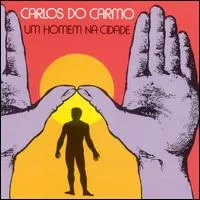
1977
Um homem na cidade
Carlos do Carmo
2001
Fado em mim
Mariza
1997
Baladas e canções
José Afonso
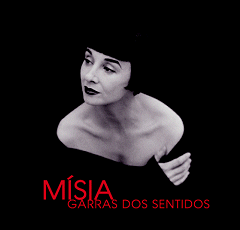
1998
Garras dos sentidos
Mísia
2020
Lina_Raül Refree
Lina & Refree
1972
Canções de amor e de esperança
Luiz Goes
1973
Encontro
Amália Rodrigues & Don Byas
Download our mobile app
Get the Melodigging app and start digging for new genres on the go
Download on the App Store
Get it on Google Play
© 2026 Melodigging
Give feedback
Legal
Melodding was created as a tribute to
Every Noise at Once
, which inspired us to help curious minds keep digging into music's ever-evolving genres.