Genres
Make Music
Artists
Albums
Challenges
Sign in
Sign in
Albums
By Manolito y Su Trabuco
Albums
By Manolito y Su Trabuco
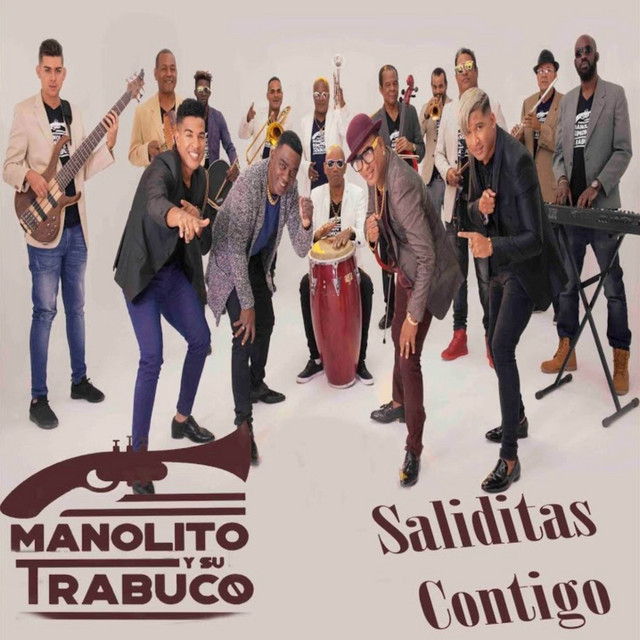
Saliditas Contigo
January 1, 2000
Listen
3
/5
Genres
Timba
Timba is a high-energy Cuban dance-music genre that emerged in the 1990s, characterized by explosive rhythmic drive, complex arrangements, and a modern, urban attitude. It extends the lineage of son cubano and salsa by integrating songo’s drumset-driven groove, rumba’s rhythmic vocabulary, and jazz/funk harmony and horn writing. Hallmarks include gear changes (sudden shifts in groove and orchestration), tightly synchronized bloques (arranged hits and breaks), virtuosic piano tumbaos, aggressive bass lines that “gear up” and release tension, and call-and-response coros with streetwise soneos/rap interjections. Percussion sections typically blend congas, timbales, bongó, and a full drum kit, creating a polyrhythmic engine built around the clave while allowing dramatic rhythmic modulation.
Discover
Listen
Salsa Romántica
Salsa romántica (sometimes called salsa sensual) is a smoother, ballad-oriented branch of salsa that foregrounds love, longing, and intimacy. It keeps salsa’s core Caribbean rhythm section and call-and-response coros, but favors crooning vocals, lyrical themes of romance and heartbreak, and polished, radio-friendly arrangements. Compared with the harder, streetwise energy of 1970s salsa dura, salsa romántica typically uses slightly slower tempos, more diatonic harmonies, warm string pads and synths, and streamlined brass lines. The result is danceable yet tender music that bridges tropical dance floors and mainstream Latin pop audiences.
Discover
Listen
Son Cubano
Son cubano is a foundational Cuban genre that fuses Spanish-derived song forms and harmony with Afro-Cuban rhythms and percussion. Born in eastern Cuba (Oriente) and crystallized in Havana in the 1910s–1920s, it became the backbone of much of 20th‑century Latin popular music. Typical ensembles began as sextetos (tres, guitar, bongó, maracas, claves, and bass or marímbula) and later evolved into septetos with trumpet. Conjunto formats in the 1940s added piano, congas, and multiple horns. The music rides a son clave (in 3‑2 or 2‑3 orientation), features interlocking tres guajeos, a walking/tumbao bass that anticipates the downbeat, and call‑and‑response vocals in the montuno section. Harmonically it is rooted in I–IV–V with bluesy dominant sevenths and occasional secondary dominants. Lyrically it balances romance, everyday life, and streetwise wit, always aimed at dancing and social gathering.
Discover
Listen
Similar albums
1987
Qué Pena
Lebrón Brothers
1988
Qué Pena
Lebrón Brothers
2018
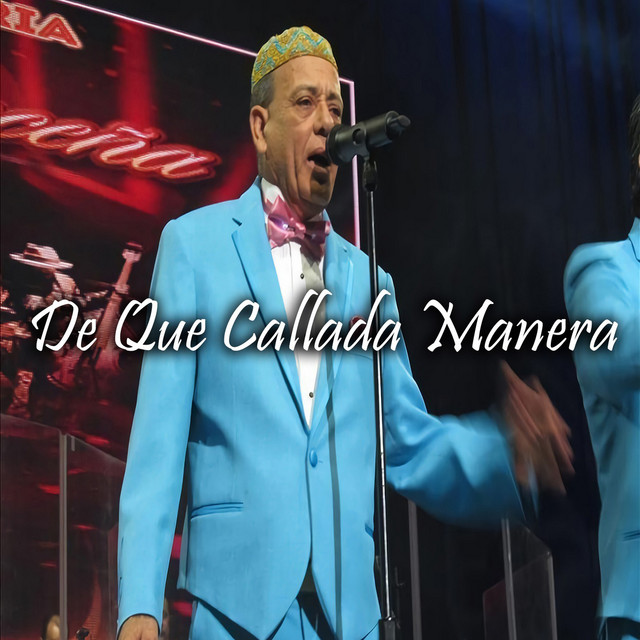
De Que Callada Manera
Sonora Ponceña
2015
Pa' la Gente Mía
Bun Bun Mezcla'o
2018
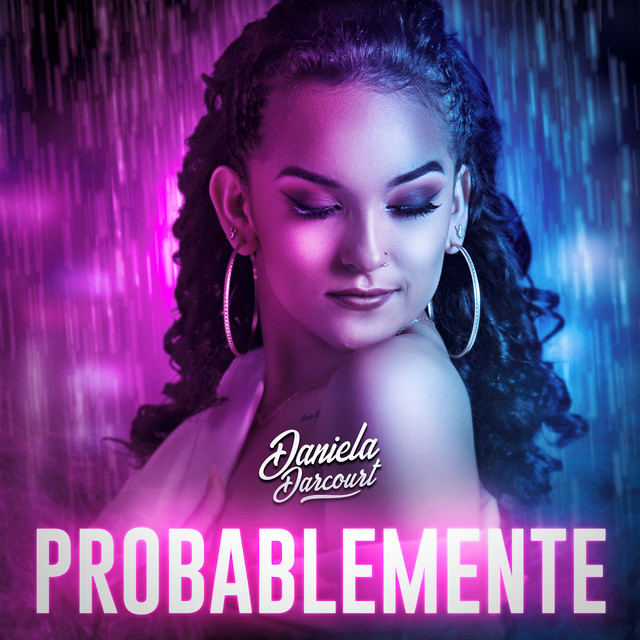
Probablemente
Daniela Darcourt
2018
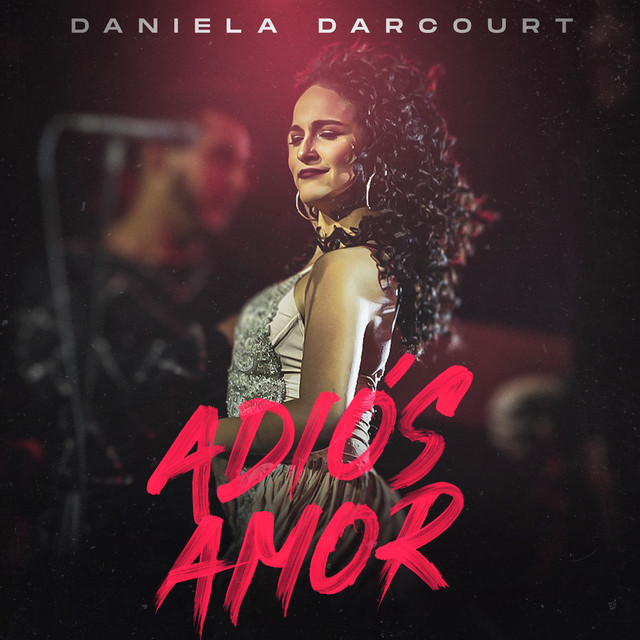
Adiós Amor
Daniela Darcourt
2024
Latidos
Fresto Music
2021
Lo Más Bello Es Lo Más Simple
Eduardo Moreno & Okocán
2025
La cita
Leoni Torres
2022
Cuando Bailas (Remix Salsa)
Leoni Torres
Download our mobile app
Get the Melodigging app and start digging for new genres on the go
Download on the App Store
Get it on Google Play
© 2026 Melodigging
Give feedback
Legal
Melodding was created as a tribute to
Every Noise at Once
, which inspired us to help curious minds keep digging into music's ever-evolving genres.