Genres
Make Music
Artists
Albums
Challenges
Sign in
Sign in
Albums
By Pantones
Albums
By Pantones
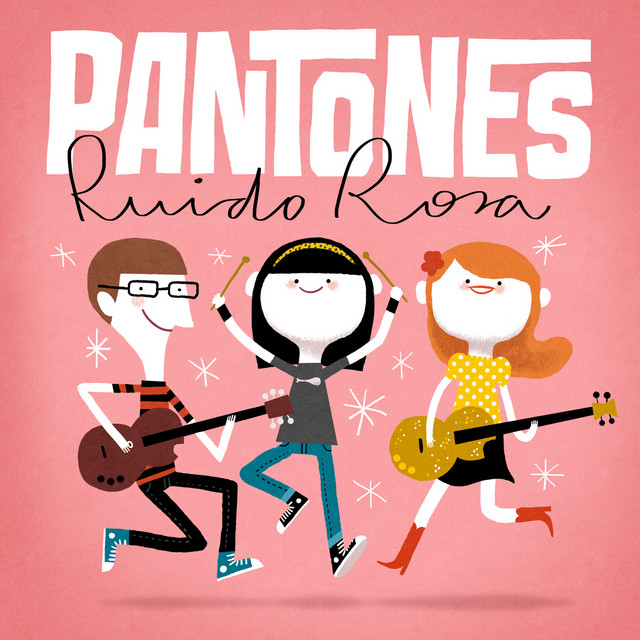
Ruido Rosa
April 17, 2012
Listen
1
/5
Genres
Diy Pop Punk
DIY pop punk is a melodic, fast, and hook-driven strain of punk rock built on the do‑it‑yourself ethic: writing songs quickly, recording on a shoestring, self-releasing records, and touring basements, community spaces, and small clubs. Musically, it pairs the economy and downstroke drive of classic punk with earworm power‑pop melodies, gang vocals, and short song lengths—often two to three minutes. The recordings typically favor immediacy over polish (4‑track cassette, cheap digital setups, live-in-the-room energy), while lyrics lean toward everyday life, friendship, touring, romance, and playful humor. Culturally, the genre is sustained by zines, small labels, tape trades, message boards, and Bandcamp-era micro-scenes, encouraging inclusivity, affordability, and a participatory fan‑artist relationship.
Discover
Listen
Power Pop
Power pop is a guitar-driven style that distills the melodic immediacy of 1960s British Invasion pop into concise, high-energy rock songs. It emphasizes big hooks, ringing guitars (often Rickenbacker-style jangle), tight vocal harmonies, and punchy, economical arrangements that typically run around three minutes. Lyrically, it leans toward youthful longing, romance, and bittersweet nostalgia, delivered with bright major-key progressions, chiming arpeggios, and sing-along choruses. Though Pete Townshend used the term in the late 1960s, the genre cohered in the early 1970s with bands like Badfinger, Big Star, and the Raspberries, and it has resurfaced repeatedly in waves through new wave, indie, and modern pop-punk contexts.
Discover
Listen
Pop
Pop is a broad, hook-driven style of popular music designed for wide appeal. It emphasizes memorable melodies, concise song structures, polished vocals, and production intended for radio, charts, and mass media. While pop continually absorbs elements from other styles, its core remains singable choruses, accessible harmonies, and rhythmic clarity. Typical forms include verse–pre-chorus–chorus, frequent use of bridges and middle-eights, and ear-catching intros and outros. Pop is not defined by a single instrumentation. It flexibly incorporates acoustic and electric instruments, drum machines, synthesizers, and increasingly digital production techniques, always in service of the song and the hook.
Discover
Listen
Rock
Rock is a broad family of popular music centered on amplified instruments, a strong backbeat, and song forms that foreground riffs, choruses, and anthemic hooks. Emerging from mid‑20th‑century American styles like rhythm & blues, country, and gospel-inflected rock and roll, rock quickly expanded in scope—absorbing folk, blues, and psychedelic ideas—while shaping global youth culture. Core sonic markers include electric guitar (often overdriven), electric bass, drum kit emphasizing beats 2 and 4, and emotive lead vocals. Rock songs commonly use verse–chorus structures, blues-derived harmony, and memorable melodic motifs, ranging from intimate ballads to high‑energy, stadium‑sized performances.
Discover
Listen
Similar albums
1985
Play Deep
The Outfield
2006
Greatest Hits: Blondie
Blondie
2017
Stranger Things (Soundtrack from the Netflix Original Series)
The Clash
2004
The Essential Cheap Trick
Cheap Trick
2009
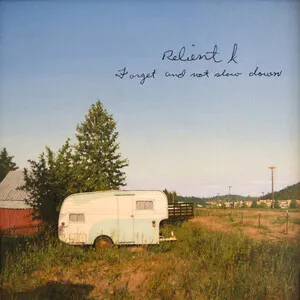
Forget and Not Slow Down
Relient K
1998
Three Out Change!! スリーアウトチェンジ
Supercar
2008
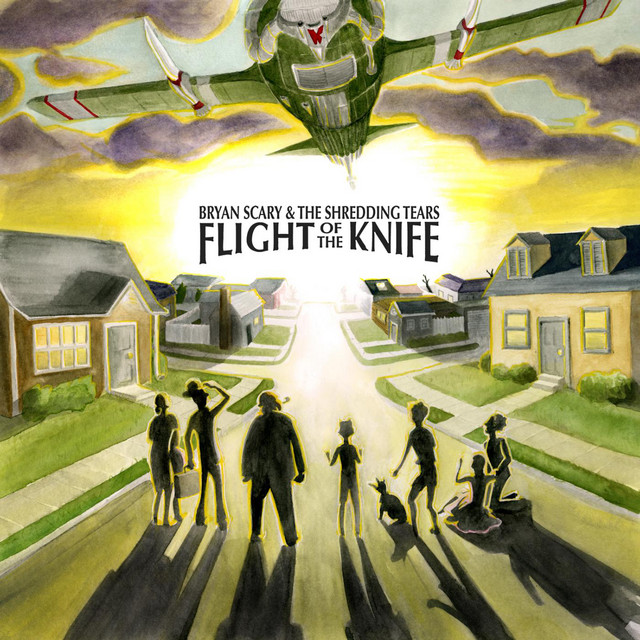
Flight of the Knife
Bryan Scary
2004
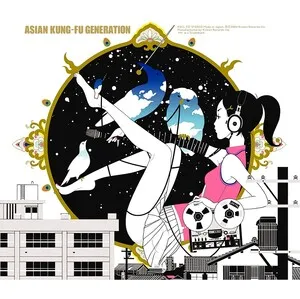
Sol-fa ソルファ
ASIAN KUNG-FU GENERATION
2021
SOUR
Olivia Rodrigo
2022
Stick Season
Noah Kahan
Download our mobile app
Get the Melodigging app and start digging for new genres on the go
Download on the App Store
Get it on Google Play
© 2026 Melodigging
Give feedback
Legal
Melodding was created as a tribute to
Every Noise at Once
, which inspired us to help curious minds keep digging into music's ever-evolving genres.