Genres
Make Music
Artists
Albums
Challenges
Sign in
Sign in
Albums
By Yo La Tengo
Albums
By Yo La Tengo
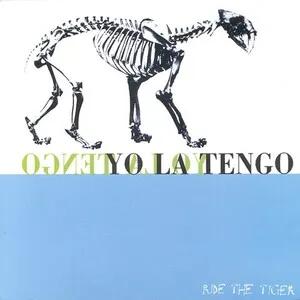
Ride the Tiger
1986
Listen
1
/5
Genres
Hoboken Sound
The Hoboken sound refers to the jangly, literate indie rock that coalesced around the Hoboken, New Jersey scene in the early–mid 1980s, centered on the club Maxwell’s and labels such as Coyote and Bar/None. It blends chiming guitar arpeggios, tight but unshowy rhythm sections, and understated, often wry or romantic vocals. Musically, it draws on the crisp melodicism of power pop and jangle pop, the economy of post-punk and new wave, and a Velvet Underground–style drone-and-groove sensibility. The result is urbane and hooky yet modest: songs that feel hand‑crafted, rhythmically propulsive (great for small‑club dancing), and emotionally reflective without grandiosity. The Hoboken sound became a college‑radio staple and a Northeast US counterpart to kindred indie movements, helping establish the blueprint for American indie rock’s balance of tunefulness, DIY ethos, and sonic restraint.
Discover
Listen
Indie
Indie (short for “independent”) began as music made and released outside the major-label system, where a DIY ethos shaped everything from songwriting and recording to artwork and touring. As a sound, indie is eclectic but often features jangly or overdriven guitars, intimate or understated vocals, melodic basslines, and unvarnished production that foregrounds authenticity over gloss. It spans rock, pop, and folk while welcoming electronic textures and lo‑fi aesthetics. Lyrics typically focus on personal observation, small details, and wry self-awareness rather than overt virtuosity or spectacle. Beyond style, indie describes a culture: small labels and stores, college/alternative radio, fanzines/blogs, community venues, and scenes that value experimentation, individuality, and artistic control.
Discover
Listen
Indie Rock
Indie rock is a subgenre of rock and a branch of alternative rock that coalesced in the early–mid 1980s around independent labels and DIY practices in the United Kingdom, the United States, and New Zealand. Defined less by a single sound than by an ethos, indie rock favors non‑mainstream approaches, self‑recording and small‑label distribution, and an interest in pop‑informed melody and eclectic experimentation. Hallmarks include jangly or fuzzed guitars, intimate or deadpan vocals, off‑kilter song structures, and production that often preserves a raw, “authentic” feel rather than glossy studio polish.
Discover
Listen
Rock
Rock is a broad family of popular music centered on amplified instruments, a strong backbeat, and song forms that foreground riffs, choruses, and anthemic hooks. Emerging from mid‑20th‑century American styles like rhythm & blues, country, and gospel-inflected rock and roll, rock quickly expanded in scope—absorbing folk, blues, and psychedelic ideas—while shaping global youth culture. Core sonic markers include electric guitar (often overdriven), electric bass, drum kit emphasizing beats 2 and 4, and emotive lead vocals. Rock songs commonly use verse–chorus structures, blues-derived harmony, and memorable melodic motifs, ranging from intimate ballads to high‑energy, stadium‑sized performances.
Discover
Listen
Similar albums
2013
AM
Arctic Monkeys
2006
Whatever People Say I Am, That's What I'm Not
Arctic Monkeys
2009
Humbug
Arctic Monkeys
2009
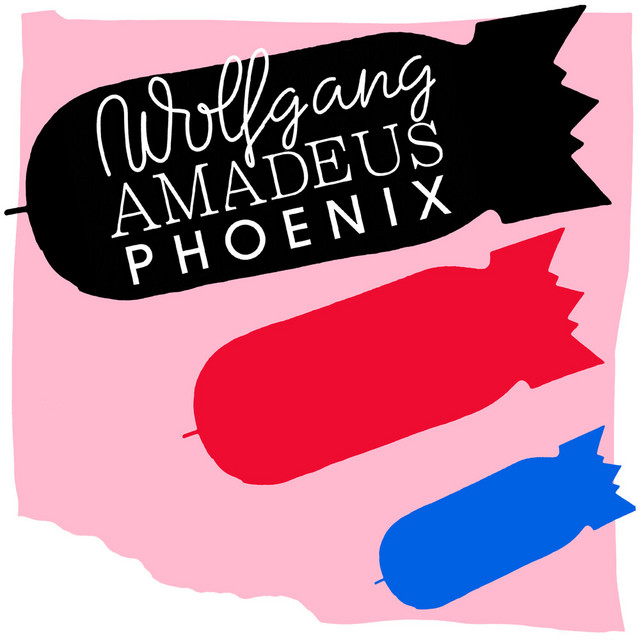
Wolfgang Amadeus Phoenix
Phoenix
2025
moisturizer
Wet Leg
2013
Why'd You Only Call Me When You're High?
Arctic Monkeys
1998
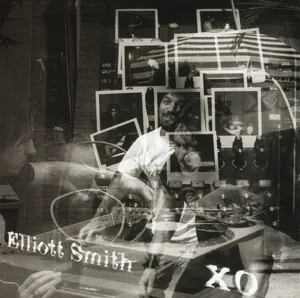
XO
Elliott Smith
1997
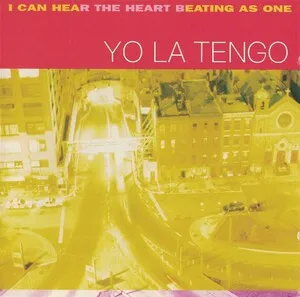
I Can Hear the Heart Beating as One
Yo La Tengo
2013
One For The Road
Arctic Monkeys
1994
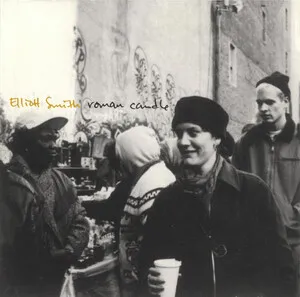
Roman Candle
Elliott Smith
Download our mobile app
Get the Melodigging app and start digging for new genres on the go
Download on the App Store
Get it on Google Play
© 2026 Melodigging
Give feedback
Legal
Melodding was created as a tribute to
Every Noise at Once
, which inspired us to help curious minds keep digging into music's ever-evolving genres.