Genres
Make Music
Artists
Albums
Challenges
Sign in
Sign in
Albums
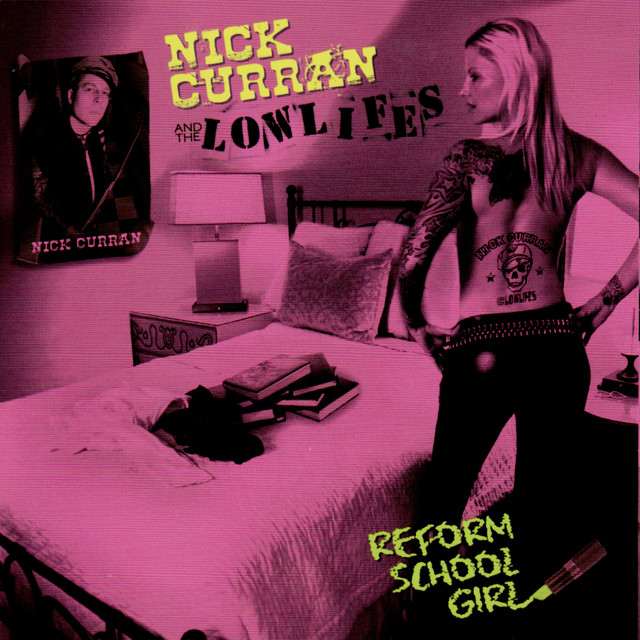
By Nick Curran and the Lowlifes
Albums
By Nick Curran and the Lowlifes
Reform School Girl
February 16, 2010
Listen
1
/5
Genres
Trash Rock
Trash rock is a raw, raucous strain of garage-rooted rock ’n’ roll that revels in low‑fidelity recording, overdriven guitars, and unpretentious, party-forward energy. It embraces the “trash” aesthetic in both sound and imagery: fuzzed-out riffs, pounding two-and-four backbeats, Farfisa/organ stabs or honking sax, shout‑along choruses, and a blown‑speaker mix that feels more like a basement or dive bar than a pristine studio. Stylistically, it pulls heavily from 1950s rock and roll, 1960s garage, surf, and frat rock, filtered through the attitude of late-1970s/1980s punk and proto‑punk. Songs are short, hooky, and deliberately primitive—often built on I–IV–V changes, blues scales, and stomping rhythms—while lyrics celebrate B‑movies, hot rods, lust, mischief, and general teenage delinquency. The result is a high-octane, danceable, and gloriously unrefined form of rock made for sweaty rooms and wild nights.
Discover
Listen
Pop Rock
Pop rock blends the hook-focused immediacy of pop with the instrumentation and drive of rock. It prioritizes catchy melodies, concise song structures, and polished production while retaining guitars, bass, and drums as core elements. Typical pop rock tracks use verse–pre-chorus–chorus forms, strong vocal harmonies, and memorable riffs. The sound ranges from jangly and bright to mildly overdriven and arena-ready, aiming for radio-friendly appeal without abandoning rock’s rhythmic punch.
Discover
Listen
Rock
Rock is a broad family of popular music centered on amplified instruments, a strong backbeat, and song forms that foreground riffs, choruses, and anthemic hooks. Emerging from mid‑20th‑century American styles like rhythm & blues, country, and gospel-inflected rock and roll, rock quickly expanded in scope—absorbing folk, blues, and psychedelic ideas—while shaping global youth culture. Core sonic markers include electric guitar (often overdriven), electric bass, drum kit emphasizing beats 2 and 4, and emotive lead vocals. Rock songs commonly use verse–chorus structures, blues-derived harmony, and memorable melodic motifs, ranging from intimate ballads to high‑energy, stadium‑sized performances.
Discover
Listen
Blues
Blues is an African American musical tradition defined by expressive "blue notes," call-and-response phrasing, and a characteristic use of dominant-seventh harmony in cyclical song forms (most famously the 12‑bar blues). It is as much a feeling as a form, conveying sorrow, resilience, humor, and hard-won joy. Musically, blues commonly employs the I–IV–V progression, swung or shuffled rhythms, and the AAB lyric stanza. Melodies lean on the minor/major third ambiguity and the flattened fifth and seventh degrees. Core instruments include voice, guitar (acoustic or electric), harmonica, piano, bass, and drums, with slide guitar, bends, and vocal melismas as signature techniques. Over time the blues has diversified into regional and stylistic currents—Delta and Piedmont country blues, urban Chicago and Texas blues, West Coast jump and boogie-woogie—while profoundly shaping jazz, rhythm & blues, rock and roll, soul, funk, and much of modern popular music.
Discover
Listen
Similar albums
2019
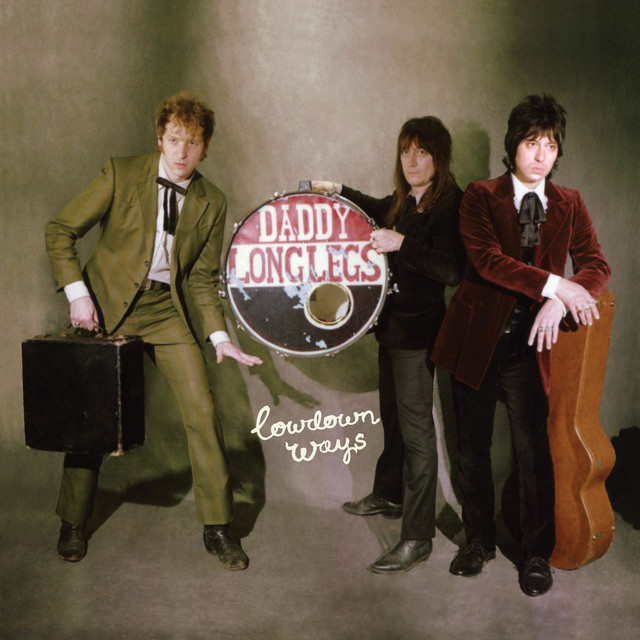
Lowdown Ways
DADDY LONG LEGS
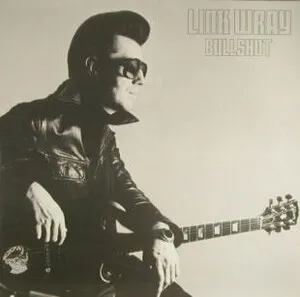
1979
Bullshot
Link Wray
2019
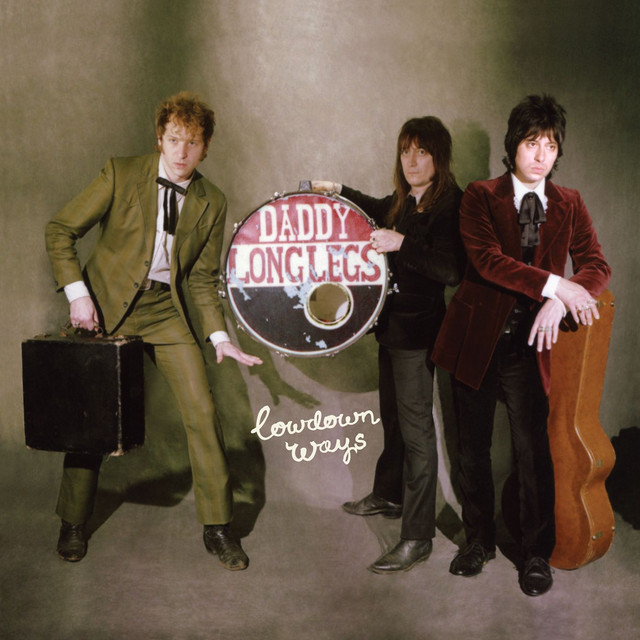
Lowdown Ways
DADDY LONG LEGS
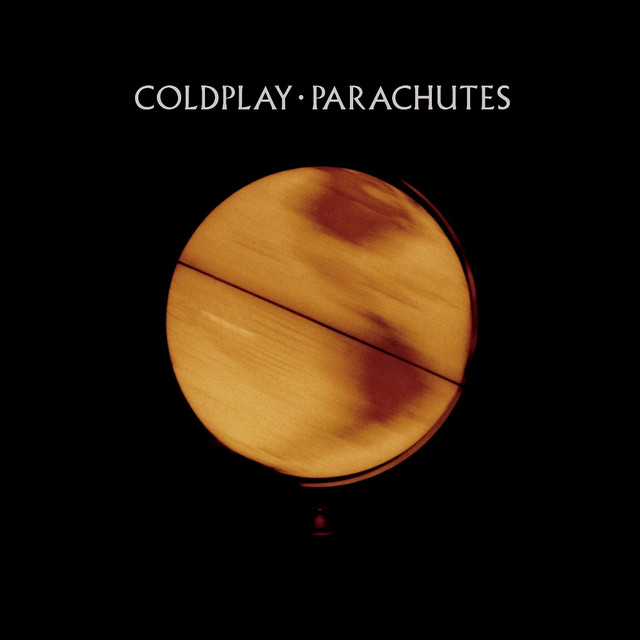
2000
Parachutes
Coldplay
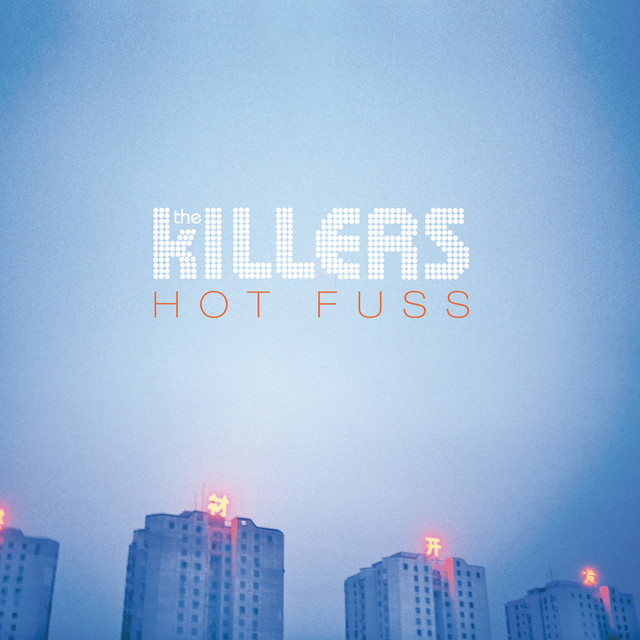
2004
Hot Fuss
The Killers
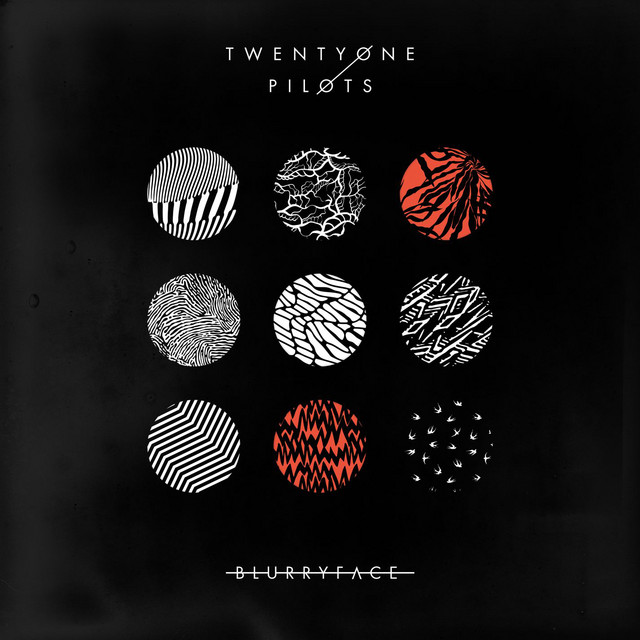
2015
Blurryface
Twenty One Pilots
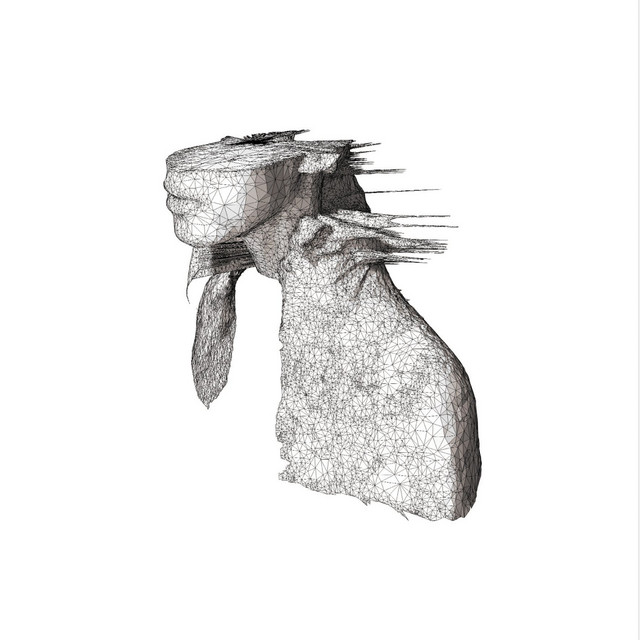
2002
A Rush of Blood to the Head
Coldplay
2013
Midnight Memories
One Direction
2015
A Head Full of Dreams
Coldplay
1969
Abbey Road
The Beatles
Download our mobile app
Get the Melodigging app and start digging for new genres on the go
Download on the App Store
Get it on Google Play
© 2026 Melodigging
Give feedback
Legal
Melodding was created as a tribute to
Every Noise at Once
, which inspired us to help curious minds keep digging into music's ever-evolving genres.