Genres
Make Music
Artists
Albums
Challenges
Sign in
Sign in
Albums
By Ludwig van Beethoven / Cranky
Albums
By Ludwig van Beethoven / Cranky
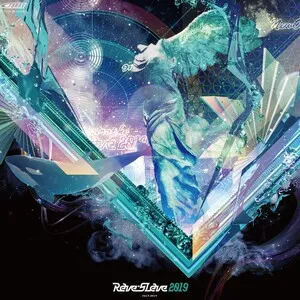
Rave-Slave 2019
December 31, 2019
Listen
2
/5
Genres
Hyper Techno
Hyper techno is a high-energy dance style that first appeared in Japan in the 1990s, where labels and club culture marketed "hyper" offshoots of techno for Para Para–style dance floors. It emphasized fast, driving four-on-the-floor beats, simple and catchy toplines, and bright synth timbres. In the 2020s, the term resurfaced globally for a pop-facing, festival-ready variant that blends fast tempos, prominent basslines, and hard-hitting drums with streamlined hooks and earworm vocals. This new wave draws heavily on Y2K Eurodance/Hard Dance aesthetics and Electropop songwriting, packaged for short-form virality and big-room impact.
Discover
Listen
Trance
Trance is a form of electronic dance music characterized by steady four-on-the-floor beats, long build‑ups and breakdowns, and euphoric, melodic progressions designed to induce a hypnotic or “trance‑like” state. Typical tempos range from about 130 to 142 BPM, with arrangements often stretching 7–10 minutes to allow DJs room for tension, release, and seamless mixing. The sound palette emphasizes shimmering pads, arpeggiated synth motifs, supersaw leads, and wide, reverberant spaces. Harmonically, trance tends to favor minor keys, modal mixture, and extended suspense before cathartic drops. Production hallmarks include sidechain compression (“pumping”), off‑beat open hi‑hats, rolling basslines, and lush delay/reverb tails. While largely instrumental, a major branch—vocal trance—features lyrical toplines and pop‑leaning structures without losing its club‑centric dynamics.
Discover
Listen
Electronic
Electronic is a broad umbrella genre defined by the primary use of electronically generated or electronically processed sound. It encompasses music made with synthesizers, drum machines, samplers, computers, and studio/tape techniques, as well as electroacoustic manipulation of recorded or synthetic sources. The genre ranges from academic and experimental traditions to popular and dance-oriented forms. While its sonic palette is rooted in electricity and circuitry, its aesthetics span minimal and textural explorations, structured song forms, and beat-driven club permutations. Electronic emphasizes sound design, timbre, and studio-as-instrument practices as much as melody and harmony.
Discover
Listen
Classical
Classical music is the notated art-music tradition of Europe and its global descendants, characterized by durable forms, carefully codified harmony and counterpoint, and a literate score-based practice. The term “classical” can refer broadly to the entire Western art-music lineage from the Medieval era to today, not just the Classical period (c. 1750s–1820s). It privileges long-form structures (such as symphonies, sonatas, concertos, masses, and operas), functional or modal harmony, thematic development, and timbral nuance across ensembles ranging from solo instruments to full orchestras and choirs. Across centuries, the style evolved from chant and modal polyphony to tonal harmony, and later to post-tonal idioms, while maintaining a shared emphasis on written notation, performance practice, and craft.
Discover
Listen
Similar albums
2023
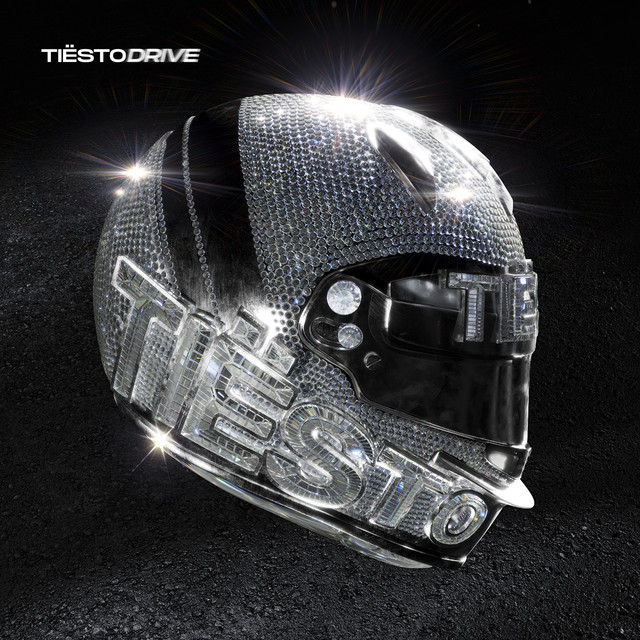
DRIVE
Tiësto
2014
Interstellar (Original Motion Picture Soundtrack) [Expanded Edition]
Hans Zimmer
1999
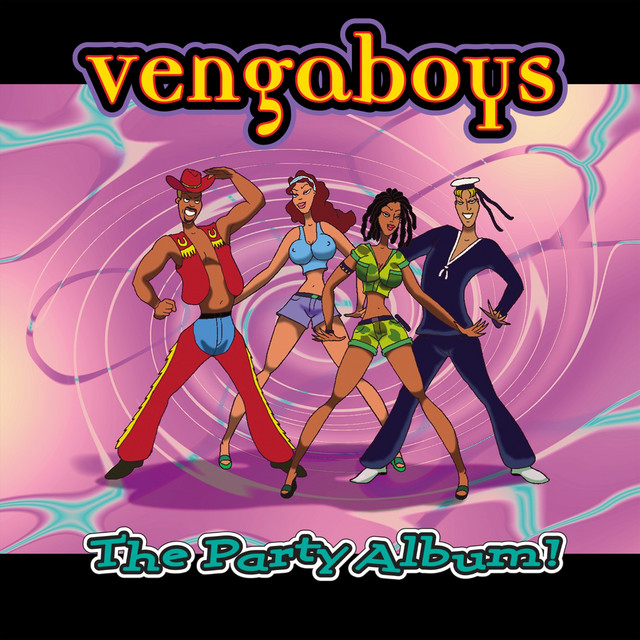
The Party Album!
Vengaboys
1999
L'amour toujours
Gigi D'Agostino
2015
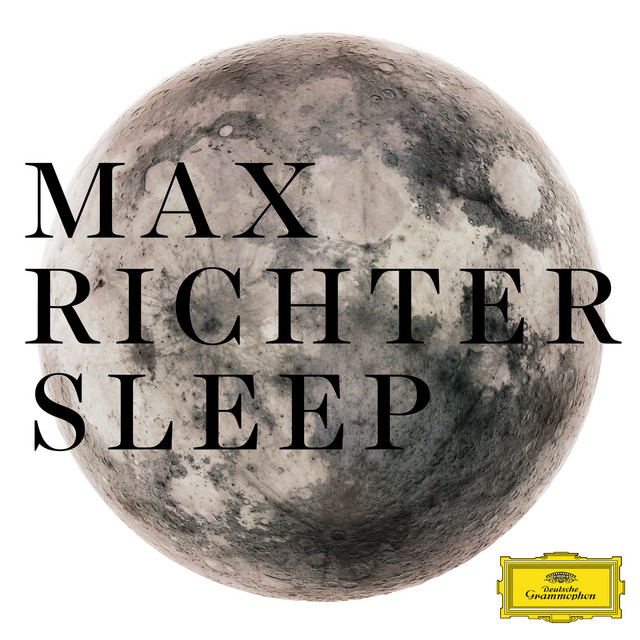
Sleep
Max Richter
1997
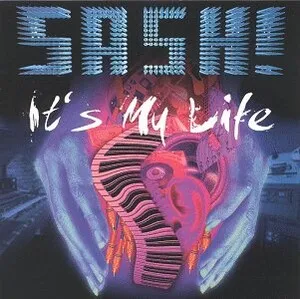
It's My Life
Sash!
1996
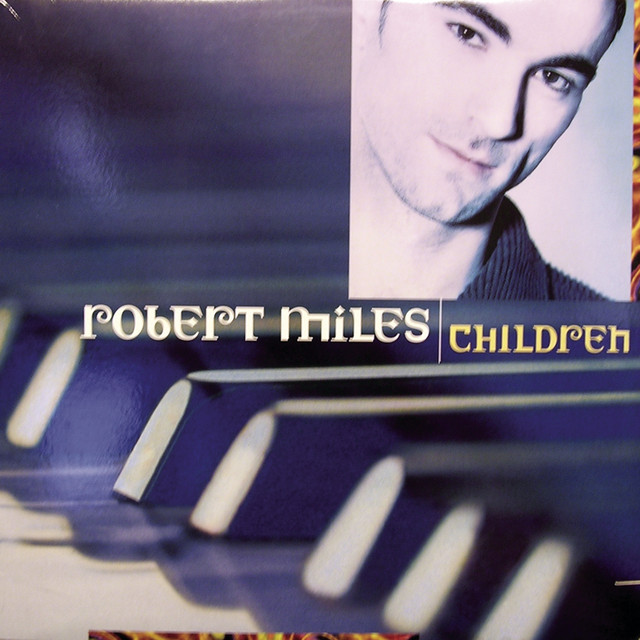
Children (Dance Vault Mixes)
Robert Miles
2000
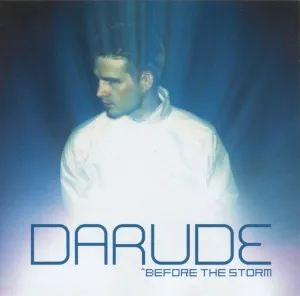
Before the Storm
Darude
2020
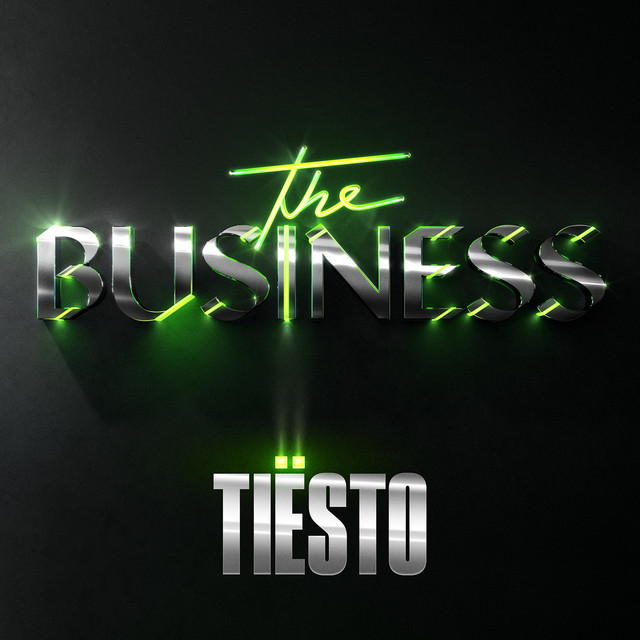
The Business
Tiësto
2019
Balance
Armin van Buuren
Download our mobile app
Get the Melodigging app and start digging for new genres on the go
Download on the App Store
Get it on Google Play
© 2026 Melodigging
Give feedback
Legal
Melodding was created as a tribute to
Every Noise at Once
, which inspired us to help curious minds keep digging into music's ever-evolving genres.