Genres
Make Music
Artists
Albums
Challenges
Sign in
Sign in
Albums
By Darude
Albums
By Darude
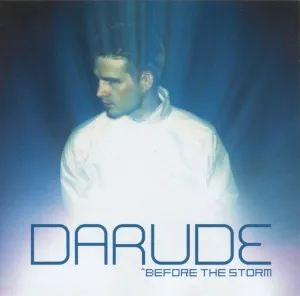
Before the Storm
January 1, 2000
Listen
4
/5
Genres
Euro-Trance
Euro-trance is a commercial, radio-friendly strain of trance that blends the anthemic melodies and breakdown-to-drop dramaturgy of classic trance with the catchy hooks, verse–chorus structures, and glossy production of Eurodance and dance-pop. Typically running between 130 and 145 BPM, it features four-on-the-floor kicks, off‑beat basslines, wide supersaw leads, bright arpeggios, and big, euphoric breakdowns that resolve into memorable synth hooks. Vocals—often female and pop-oriented—are common, with concise radio edits alongside longer club mixes. The overall mood is uplifting and immediately accessible, favoring major keys, simple yet effective chord cycles, and sheen-heavy mixing.
Discover
Listen
Trance
Trance is a form of electronic dance music characterized by steady four-on-the-floor beats, long build‑ups and breakdowns, and euphoric, melodic progressions designed to induce a hypnotic or “trance‑like” state. Typical tempos range from about 130 to 142 BPM, with arrangements often stretching 7–10 minutes to allow DJs room for tension, release, and seamless mixing. The sound palette emphasizes shimmering pads, arpeggiated synth motifs, supersaw leads, and wide, reverberant spaces. Harmonically, trance tends to favor minor keys, modal mixture, and extended suspense before cathartic drops. Production hallmarks include sidechain compression (“pumping”), off‑beat open hi‑hats, rolling basslines, and lush delay/reverb tails. While largely instrumental, a major branch—vocal trance—features lyrical toplines and pop‑leaning structures without losing its club‑centric dynamics.
Discover
Listen
Deep House
Deep house is a subgenre of house music characterized by warm, soulful textures, jazz-influenced harmony, and understated, hypnotic grooves. It typically runs around 115–124 BPM, favoring subtle swing, syncopated percussion, and rounded, mellow basslines over aggressive peaks. Sonically, deep house draws on extended chords (7ths, 9ths, 11ths), Rhodes and M1 organ timbres, airy pads, and tasteful use of reverb and delay to create a spacious, emotive atmosphere. Vocals, when present, often reference soul and gospel traditions, delivering intimate, reflective themes rather than big-room hooks. The style emerged in the mid-to-late 1980s as producers fused Chicago house rhythms with jazz-funk, soul, and garage house sensibilities, resulting in a smoother, deeper take on the house blueprint.
Discover
Listen
Electronic
Electronic is a broad umbrella genre defined by the primary use of electronically generated or electronically processed sound. It encompasses music made with synthesizers, drum machines, samplers, computers, and studio/tape techniques, as well as electroacoustic manipulation of recorded or synthetic sources. The genre ranges from academic and experimental traditions to popular and dance-oriented forms. While its sonic palette is rooted in electricity and circuitry, its aesthetics span minimal and textural explorations, structured song forms, and beat-driven club permutations. Electronic emphasizes sound design, timbre, and studio-as-instrument practices as much as melody and harmony.
Discover
Listen
Similar albums
1997
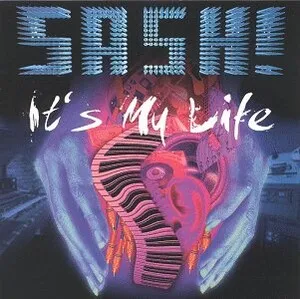
It's My Life
Sash!
1999
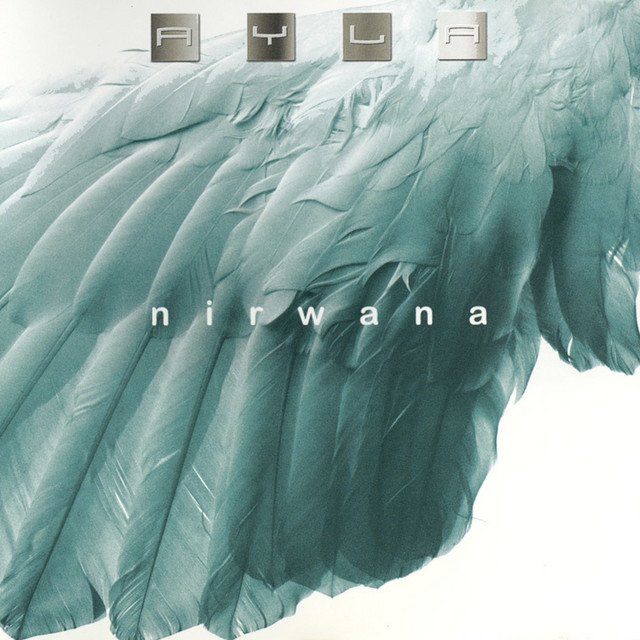
Nirwana
Ayla
2009
Perfect Day
Cascada
2002
Heaven
DJ Sammy
2006
Everytime We Touch
Cascada
2001
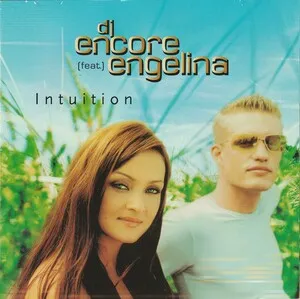
Intuition
DJ Encore & Engelina
2000
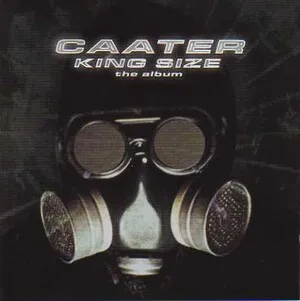
King Size: The Album
Caater
2000
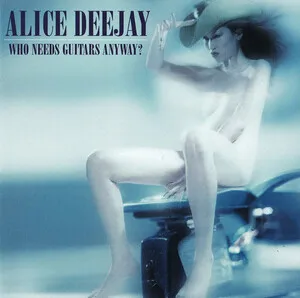
Who Needs Guitars Anyway?
Alice Deejay
2013
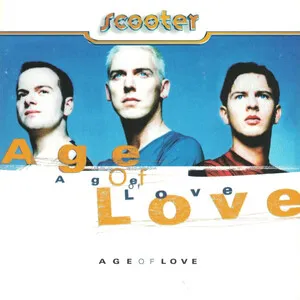
Age of Love
Scooter
2013
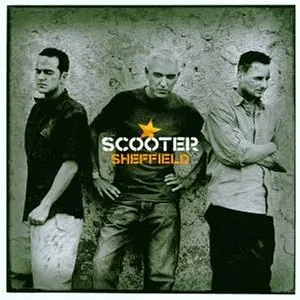
Sheffield
Scooter
Download our mobile app
Get the Melodigging app and start digging for new genres on the go
Download on the App Store
Get it on Google Play
© 2026 Melodigging
Give feedback
Legal
Melodding was created as a tribute to
Every Noise at Once
, which inspired us to help curious minds keep digging into music's ever-evolving genres.